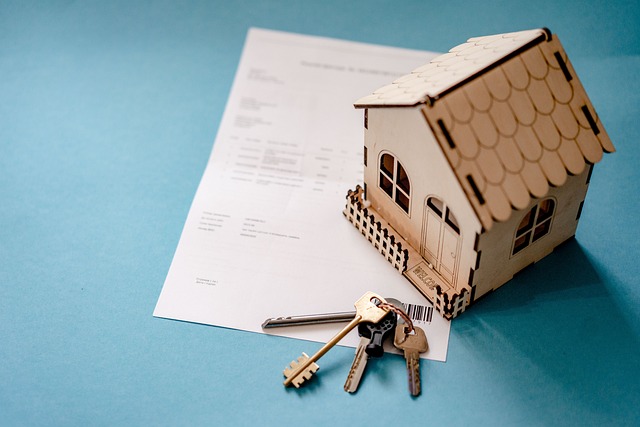
Budgeting for homeownership involves more than just accounting for the principal and interest of a mortgage. Prospective homeowners must consider a variety of additional costs that can significantly impact their financial stability. These include property taxes, homeowners insurance, maintenance and repair expenses, utilities, and homeowners association (HOA) fees, among others. Understanding and planning for these expenses is crucial to ensure that homeownership remains a sustainable and enjoyable experience. This guide will outline the essential components of a comprehensive budget for homeownership, helping you to prepare for the financial responsibilities that come with owning a home.
Property Taxes
When considering the financial implications of homeownership, property taxes emerge as a significant factor that extends beyond the basic calculations of principal and interest. Property taxes are levied by local governments and are typically based on the assessed value of the property. This means that as the value of your home increases, so too can your tax burden. Understanding how property taxes are calculated is essential for prospective homeowners, as it allows for more accurate budgeting and financial planning. For instance, in areas with rapidly appreciating real estate markets, such as San Francisco, homeowners may find themselves facing steep increases in property taxes, which can significantly impact their monthly expenses.
Moreover, property tax rates can vary widely from one jurisdiction to another. For example, in Texas, property taxes are relatively high compared to the national average, primarily because the state does not impose a personal income tax. This means that homeowners in Texas must account for higher property tax bills when budgeting for their overall housing costs. Conversely, states like Florida offer lower property tax rates, which can be appealing for those looking to maximize their investment in real estate. Therefore, it is crucial for potential buyers to research the specific tax rates in the areas they are considering, as this can influence their decision-making process.
In addition to understanding the rates, homeowners should also be aware of the various exemptions and deductions that may be available to them. Many states offer homestead exemptions, which can reduce the taxable value of a primary residence, thereby lowering the property tax bill. For instance, in Florida, homeowners may qualify for a homestead exemption that can significantly decrease their annual tax liability. This is particularly beneficial for first-time homebuyers who may be stretching their budgets to afford a home. By taking advantage of such exemptions, homeowners can alleviate some of the financial pressure associated with property taxes.
Furthermore, it is important to consider the timing of property tax payments. Many local governments allow homeowners to pay their property taxes in installments, which can help with cash flow management. For example, in Cook County, Illinois, property taxes are typically paid in two installments each year. Homeowners in this area can plan their budgets accordingly, ensuring that they set aside funds throughout the year to meet these obligations without straining their finances. Understanding the payment schedule can also help homeowners avoid penalties and interest charges that may arise from late payments.
As homeowners navigate the complexities of property taxes, they should also be mindful of the potential for reassessments. Local governments periodically reassess properties to ensure that tax values reflect current market conditions. This can lead to unexpected increases in property taxes, particularly in booming real estate markets. For instance, in cities like Seattle, where property values have surged in recent years, homeowners may find themselves facing higher tax bills as their properties are reassessed. Staying informed about local market trends and reassessment schedules can help homeowners anticipate changes in their tax obligations.
In light of these considerations, it is essential to choose a home in a location that aligns with one’s financial goals. For example, the historic Hotel Del Coronado in California not only offers a stunning beachfront experience but is also situated in an area with relatively stable property tax rates. This combination of location and financial predictability can provide peace of mind for homeowners looking to balance their budgets effectively while enjoying the benefits of homeownership. By carefully evaluating property taxes alongside other costs, prospective buyers can make informed decisions that support their long-term financial health.
Q&A
What additional costs should I consider when budgeting for homeownership?
In addition to principal and interest, consider property taxes, homeowners insurance, and private mortgage insurance (PMI) if applicable. Maintenance and repair costs, utilities, and homeowners association (HOA) fees should also be factored into your budget.
How can I estimate my property taxes?
Property taxes are typically based on the assessed value of your home and the local tax rate. You can check with your local tax assessor’s office or use online calculators to get an estimate based on similar properties in your area.
What is the importance of budgeting for maintenance and repairs?
Home maintenance and repairs can be significant expenses that arise unexpectedly. Setting aside a percentage of your monthly budget, often recommended at 1% of your home’s value, can help you prepare for these costs.
How do I calculate homeowners insurance costs?
Homeowners insurance costs vary based on factors like location, home value, and coverage levels. It’s advisable to obtain quotes from multiple insurance providers to find the best coverage at a competitive rate.
What role do utilities play in my homeownership budget?
Utilities such as electricity, water, gas, and internet can add up quickly and should be included in your monthly budget. Researching average utility costs in your area can help you estimate these expenses accurately.
When budgeting for homeownership, it’s essential to consider expenses beyond just principal and interest. This includes property taxes, homeowners insurance, maintenance and repair costs, utilities, and potential homeowners association (HOA) fees. Additionally, setting aside funds for unexpected repairs and future upgrades can help ensure financial stability. By accounting for these factors, prospective homeowners can create a more comprehensive and realistic budget that supports long-term ownership success.
Tinggalkan Balasan