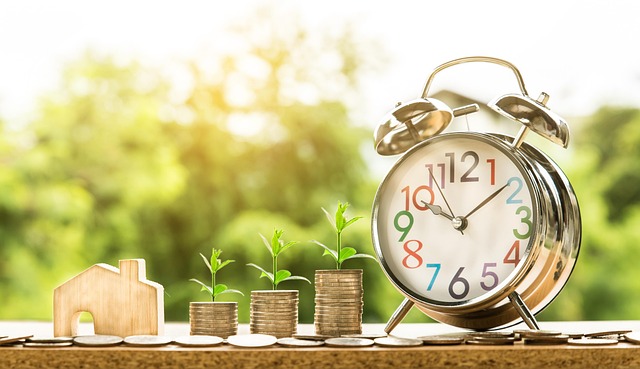
Home mortgages can be complex financial instruments, but understanding them is essential for anyone looking to buy a home. This introduction aims to demystify the concept of home mortgages by using simple, relatable real-life examples. Imagine a young couple, Sarah and Tom, who dream of owning their first home. They find a house priced at $300,000 but only have $30,000 saved for a down payment. To bridge the gap, they turn to a mortgage lender, who agrees to loan them the remaining $270,000. This scenario illustrates the basic mechanics of a mortgage: borrowing money to purchase a home, with the property itself serving as collateral. Throughout this exploration, we will break down key terms and processes, such as interest rates, loan terms, and monthly payments, using everyday situations to make the concept of home mortgages accessible and understandable for everyone.
Understanding Fixed-Rate Mortgages Through Family Scenarios
Understanding fixed-rate mortgages can be simplified through relatable family scenarios that illustrate how these financial instruments function in real life. Consider the Johnson family, who recently decided to purchase their first home in a suburban neighborhood. They found a charming three-bedroom house listed at $300,000. After careful consideration of their finances, they opted for a fixed-rate mortgage with a 30-year term and an interest rate of 3.5%. This decision meant that their monthly payments would remain consistent throughout the life of the loan, providing them with a sense of stability in their budgeting.
As the Johnsons settled into their new home, they appreciated the predictability of their mortgage payments. Each month, they would pay approximately $1,347, which included both principal and interest. This fixed payment allowed them to plan their finances effectively, knowing that their housing costs would not fluctuate with market conditions. In contrast, if they had chosen an adjustable-rate mortgage, their payments could have varied significantly over time, potentially leading to financial strain. The Johnsons’ experience highlights the importance of understanding the long-term implications of mortgage choices.
Meanwhile, the Smith family, who lived in the same neighborhood, faced a different situation. They had purchased their home a few years earlier with a fixed-rate mortgage at a higher interest rate of 4.5%. As they watched interest rates decline, they began to feel the weight of their decision. However, they also recognized the benefits of their fixed-rate mortgage, particularly during times of economic uncertainty. While they were paying more than the Johnsons, they had the peace of mind that came with knowing their payments would not increase, regardless of market fluctuations. This scenario illustrates how fixed-rate mortgages can provide security, even when initial rates may seem less favorable.
In another example, the Garcia family decided to refinance their existing mortgage to take advantage of lower interest rates. Initially, they had a fixed-rate mortgage at 5%, but after researching their options, they found a new rate of 3.25%. By refinancing, they were able to reduce their monthly payment significantly, allowing them to allocate more funds toward their children’s education. This decision not only improved their financial situation but also reinforced the idea that fixed-rate mortgages can be adjusted through refinancing, providing families with opportunities to enhance their financial health over time.
Additionally, the Thompson family, who were seasoned homeowners, decided to downsize as their children moved out. They sold their large family home and purchased a smaller property with a fixed-rate mortgage at 3.75%. This transition allowed them to reduce their monthly expenses while still enjoying the benefits of a stable mortgage payment. The Thompsons found that their new home, located near a vibrant community center, offered them a fresh start without the financial burden of fluctuating payments. Their experience underscores how fixed-rate mortgages can facilitate life changes, providing families with the flexibility to adapt to new circumstances.
Finally, the Andersons, who were first-time homebuyers, were drawn to a newly constructed eco-friendly home. They secured a fixed-rate mortgage at 3.6%, which allowed them to invest in energy-efficient upgrades that would lower their utility bills. This strategic decision not only made their home more sustainable but also ensured that their mortgage payments remained manageable over the long term. The Andersons’ story exemplifies how fixed-rate mortgages can empower families to make environmentally conscious choices while maintaining financial stability.
Q&A
What is a home mortgage?
A home mortgage is a loan specifically used to purchase real estate, where the property itself serves as collateral. Borrowers repay the loan amount plus interest over a set period, typically 15 to 30 years.
How does a down payment work?
A down payment is the initial amount paid upfront when purchasing a home, usually expressed as a percentage of the home’s price. For example, if a house costs $300,000 and the down payment is 20%, the buyer would pay $60,000 upfront.
What are closing costs?
Closing costs are fees associated with finalizing a mortgage, including appraisal fees, title insurance, and attorney fees. These costs typically range from 2% to 5% of the home’s purchase price and are paid at the closing of the sale.
What is the difference between fixed-rate and adjustable-rate mortgages?
A fixed-rate mortgage has a constant interest rate throughout the loan term, providing predictable monthly payments. In contrast, an adjustable-rate mortgage (ARM) has an interest rate that may change periodically, potentially affecting monthly payments over time.
What happens if I can’t make my mortgage payments?
If you can’t make your mortgage payments, the lender may initiate foreclosure proceedings, which can result in losing your home. It’s important to communicate with your lender to explore options like loan modification or repayment plans to avoid foreclosure.
Home mortgages can be understood through relatable scenarios, such as buying a home with a loan that is paid back over time. For instance, if someone purchases a house for $300,000 with a 30-year mortgage at a 4% interest rate, they will make monthly payments that include both principal and interest. This means that each payment gradually reduces the loan balance while also covering the cost of borrowing. In conclusion, home mortgages are financial tools that allow individuals to buy homes by spreading the cost over many years, making homeownership more accessible while requiring careful budgeting and planning.
Tinggalkan Balasan