Fixed rates are financial terms that remain constant over a specified period, providing stability and predictability in budgeting. Understanding fixed rates is essential for effective financial planning, as they allow individuals and businesses to forecast expenses without the uncertainty of fluctuating costs. This predictability aids in managing cash flow, making informed investment decisions, and avoiding unexpected financial burdens. By incorporating fixed rates into budgeting strategies, one can achieve greater control over financial commitments and enhance overall fiscal responsibility.
Understanding Fixed Rates: Definition and Benefits
Fixed rates refer to a financial arrangement where the interest rate remains constant throughout the duration of a loan or investment. This stability is particularly beneficial for individuals and businesses alike, as it allows for predictable budgeting and financial planning. When one opts for a fixed-rate loan, such as a mortgage or a personal loan, they can anticipate their monthly payments without the worry of fluctuating interest rates that can lead to unexpected financial strain. This predictability is especially crucial in an economic environment characterized by volatility, where interest rates can rise or fall based on various factors, including inflation and central bank policies.
One of the primary advantages of fixed rates is the peace of mind they provide. Borrowers can confidently plan their finances, knowing that their payments will not change over time. This is particularly advantageous for long-term loans, where the duration can span several years or even decades. For instance, a homeowner with a fixed-rate mortgage can budget for their housing costs without the fear of sudden increases in monthly payments due to rising interest rates. This stability allows for better financial management, enabling individuals to allocate funds toward other essential expenses, such as education, healthcare, or retirement savings.
Moreover, fixed rates can serve as a hedge against inflation. When inflation rises, variable interest rates often follow suit, leading to increased borrowing costs. In contrast, those locked into a fixed-rate agreement benefit from the original rate, which can result in significant savings over time. For example, a business that secures a fixed-rate loan for equipment purchases can maintain its operational costs even as inflation drives up prices in other areas. This strategic financial planning can enhance a company’s competitiveness and profitability, allowing it to invest in growth opportunities rather than being burdened by rising debt costs.
In addition to personal and business loans, fixed rates are also prevalent in the realm of investments, particularly in fixed-income securities such as bonds. Investors who purchase bonds with fixed interest rates can expect regular income payments, which can be particularly appealing during periods of economic uncertainty. This consistent cash flow can be reinvested or used to cover living expenses, providing a reliable source of income. Furthermore, fixed-income investments can diversify a portfolio, balancing the risks associated with equities and other variable-return assets.
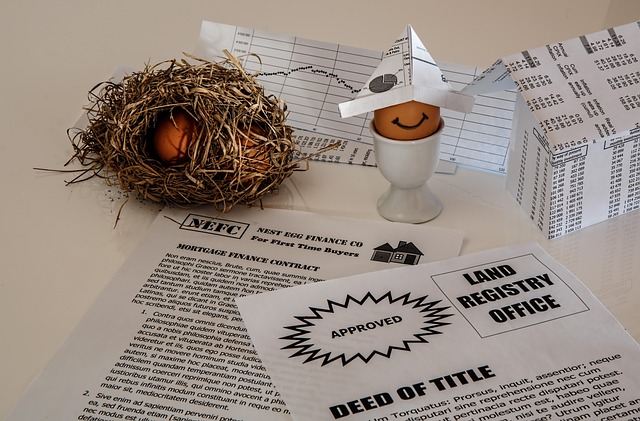
Transitioning to the real estate market, fixed-rate mortgages have become a popular choice among homebuyers seeking stability in their housing costs. The ability to lock in a low interest rate can significantly impact the overall cost of homeownership. For instance, a couple purchasing their first home may choose a fixed-rate mortgage to ensure that their monthly payments remain manageable, allowing them to focus on other aspects of their new life together. This choice not only provides financial security but also fosters a sense of ownership and investment in their community.
In the realm of hospitality, the concept of fixed rates can also be observed in hotel pricing strategies. Many hotels offer fixed rates for extended stays or during off-peak seasons, allowing guests to budget their travel expenses more effectively. For example, a family planning a vacation may take advantage of a fixed-rate package that includes accommodations, meals, and activities, ensuring that they can enjoy their trip without the stress of unexpected costs. This approach not only enhances the guest experience but also encourages longer stays, benefiting both the hotel and its patrons.
Q&A
What is a fixed rate?
A fixed rate is an interest rate that remains constant throughout the life of a loan or investment. This predictability helps borrowers and investors plan their finances without worrying about fluctuations in interest rates.
How does a fixed rate benefit budgeting?
A fixed rate allows for predictable monthly payments, making it easier to create and stick to a budget. This stability helps individuals and businesses manage their cash flow effectively.
Are fixed rates available for all types of loans?
Fixed rates are commonly available for various types of loans, including mortgages, personal loans, and auto loans. However, some loans, like certain credit cards or lines of credit, may have variable rates instead.
What are the drawbacks of fixed rates?
One drawback of fixed rates is that they may be higher than initial variable rates, especially in a low-interest environment. Additionally, if market rates decrease, borrowers with fixed rates may miss out on potential savings.
How can I determine if a fixed rate is right for me?
To determine if a fixed rate is suitable, consider your financial situation, risk tolerance, and how long you plan to hold the loan. If you value stability and plan to keep the loan long-term, a fixed rate may be beneficial.
Fixed rates provide stability in financial planning by locking in interest rates for loans or mortgages, ensuring consistent monthly payments. This predictability allows individuals and businesses to budget effectively, as they can anticipate their expenses without worrying about fluctuations in interest rates. Fixed-rate agreements are particularly beneficial in times of economic uncertainty, as they shield borrowers from potential rate increases. Overall, understanding fixed rates is essential for making informed financial decisions and maintaining a reliable budget.
Tinggalkan Balasan