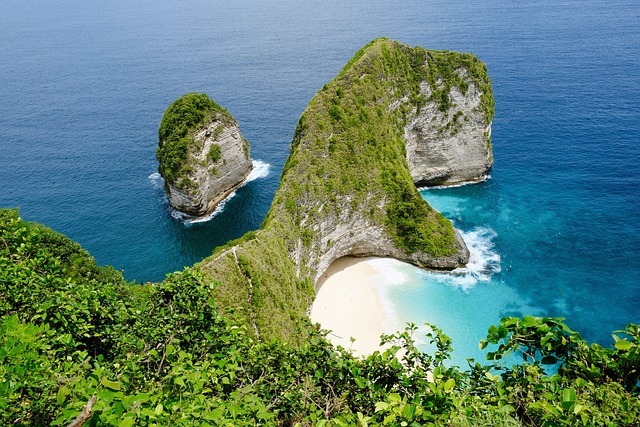
Staying local beyond Bali’s beaches offers a unique opportunity to explore the island’s rich cultural heritage, lush landscapes, and vibrant communities. While Bali is renowned for its stunning coastlines and tourist hotspots, venturing inland reveals a tapestry of traditional villages, terraced rice fields, and sacred temples. Engaging with local artisans, participating in traditional ceremonies, and savoring authentic Balinese cuisine provide a deeper understanding of the island’s identity. This journey encourages travelers to connect with the local way of life, fostering sustainable tourism and supporting the preservation of Bali’s cultural treasures.
Hidden Cultural Gems in Bali’s Ubud Region
While Bali is renowned for its stunning beaches, the Ubud region offers a rich tapestry of cultural experiences that beckon travelers to explore beyond the shoreline. Nestled in the heart of the island, Ubud is often regarded as the cultural capital of Bali, where art, tradition, and spirituality converge. One of the most captivating places to visit in Ubud is the Sacred Monkey Forest Sanctuary. This lush, tropical haven is home to hundreds of playful long-tailed macaques, who roam freely among ancient temples and towering trees. Visitors can wander along winding paths, observing the monkeys in their natural habitat while also appreciating the intricate stone carvings and sacred sites that date back centuries. The sanctuary not only provides a unique wildlife experience but also serves as a reminder of the deep spiritual connection the Balinese people have with nature.
As one delves deeper into Ubud, the Tegalalang Rice Terraces present another breathtaking sight. These iconic rice paddies, characterized by their stunning tiered landscapes, showcase the traditional subak irrigation system that has been practiced for generations. Visitors can take leisurely walks through the terraces, absorbing the serene beauty of the verdant fields while learning about the agricultural practices that sustain the local community. The area is also dotted with small cafes and art shops, where travelers can enjoy a refreshing drink or purchase handmade crafts, further enriching their experience of Ubud’s vibrant culture.
In addition to its natural beauty, Ubud is a hub for artistic expression. The Neka Art Museum stands as a testament to Bali’s rich artistic heritage, housing an impressive collection of traditional and contemporary Balinese art. The museum’s thoughtfully curated exhibits provide insight into the evolution of Balinese painting, showcasing works from both local and international artists. Visitors can immerse themselves in the stories behind each piece, gaining a deeper appreciation for the cultural significance of art in Balinese society. The museum’s tranquil gardens and stunning views of the surrounding landscape create an inviting atmosphere for reflection and inspiration.
Moreover, Ubud is home to numerous traditional markets, where the vibrant colors and aromas of local produce and handicrafts come alive. The Ubud Art Market, in particular, is a bustling hub where artisans sell their wares, from intricately woven textiles to handcrafted jewelry. Engaging with local vendors not only supports the community but also offers a glimpse into the daily lives of the Balinese people. As one navigates through the market, the lively atmosphere is enhanced by the sounds of traditional music and the tantalizing scents of local cuisine wafting through the air.
For those seeking a tranquil retreat, the Como Uma Ubud hotel provides an exquisite blend of luxury and cultural immersion. Set amidst lush gardens and rice paddies, this hotel offers a serene escape while remaining close to Ubud’s cultural attractions. Guests can indulge in wellness treatments at the hotel’s spa, which incorporates traditional Balinese healing practices, or participate in yoga sessions that take advantage of the stunning natural surroundings. The hotel’s commitment to sustainability and local culture is evident in its culinary offerings, which feature organic ingredients sourced from nearby farms. By choosing to stay at Como Uma Ubud, travelers can experience the essence of Balinese culture while enjoying the comforts of modern luxury, making it an ideal base for exploring the hidden gems of Ubud.
Q&A
What are some cultural experiences to explore beyond Bali’s beaches?
Visitors can immerse themselves in traditional Balinese culture by attending local ceremonies, visiting temples, and participating in cooking classes. Exploring artisan villages and witnessing traditional crafts like batik and wood carving also offers a deeper understanding of the island’s heritage.
Are there any recommended hiking trails in Bali?
Bali offers several scenic hiking trails, such as the Campuhan Ridge Walk and the trek to Mount Batur for sunrise views. These trails provide opportunities to experience the island’s lush landscapes and unique flora and fauna.
What are some local markets to visit in Bali?
Local markets like Ubud Market and Sukawati Art Market are great places to find handmade crafts, souvenirs, and local produce. These markets also provide a vibrant atmosphere to experience Balinese daily life and culture.
How can I experience Balinese cuisine beyond restaurants?
Participating in a cooking class or visiting local food markets can provide an authentic taste of Balinese cuisine. Street food stalls also offer a variety of traditional dishes that reflect the island’s culinary heritage.
What are some eco-friendly activities to do in Bali?
Engaging in activities like rice field cycling, visiting eco-friendly resorts, and participating in beach clean-ups can promote sustainability. Additionally, exploring Bali’s natural parks and wildlife sanctuaries helps support conservation efforts while enjoying the island’s beauty.
Staying local beyond Bali’s beaches offers a rich tapestry of cultural experiences, natural beauty, and authentic interactions with the island’s communities. Visitors can explore traditional villages, lush rice terraces, and vibrant markets, gaining a deeper understanding of Balinese customs and daily life. Engaging in local activities, such as cooking classes or artisan workshops, fosters a connection to the island’s heritage. Ultimately, venturing beyond the coastline enriches the travel experience and supports sustainable tourism practices.
Tinggalkan Balasan