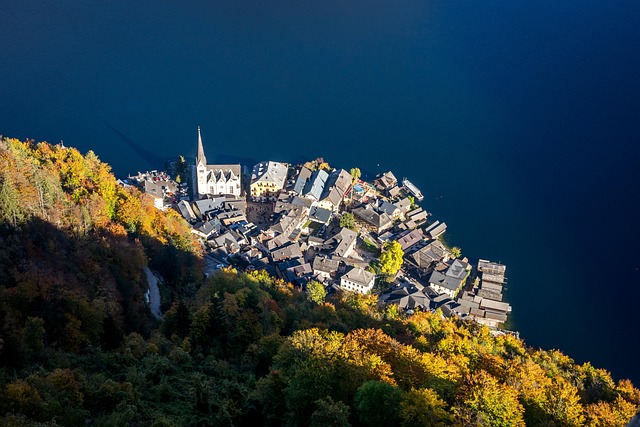
Living around Lake Toba offers a unique blend of natural beauty, cultural richness, and traditional lifestyles. Nestled in the heart of North Sumatra, Indonesia, the villages surrounding this vast volcanic lake are characterized by stunning landscapes, lush greenery, and the majestic backdrop of the surrounding mountains. The Batak people, the indigenous inhabitants of the region, maintain vibrant traditions, including unique architecture, music, and dance, which are integral to their community life. The area is not only a haven for nature lovers and adventure seekers but also a place where visitors can immerse themselves in the local culture, enjoy traditional cuisine, and participate in age-old customs. The serene environment and the warm hospitality of the villagers create a welcoming atmosphere for those looking to experience the tranquility and charm of life around Lake Toba.
Cultural Traditions of Lake Toba Villages
The cultural traditions of the Lake Toba villages are deeply rooted in the rich heritage of the Batak people, who have inhabited this region for centuries. One of the most striking aspects of their culture is the traditional architecture, exemplified by the distinctive Batak houses, known as “rumah bolon.” These houses, characterized by their towering roofs and intricate carvings, serve not only as homes but also as symbols of social status and community identity. Visitors to the village of Samosir can witness these architectural marvels firsthand, as many of the structures have been preserved and are still inhabited by local families. The craftsmanship involved in building these homes reflects the Batak people’s connection to their ancestors and the natural environment, showcasing their reverence for both.
In addition to their unique architecture, the Batak people are renowned for their vibrant traditional ceremonies, which are integral to their cultural identity. One of the most significant events is the “adat” ceremony, which marks important life milestones such as births, marriages, and funerals. These ceremonies are often elaborate affairs, featuring traditional music, dance, and feasting. The village of Tomok, located on Samosir Island, is particularly famous for its lively performances of the “Toba Batak” dance, which tells stories of love, bravery, and the struggles of the Batak people. Visitors are often invited to participate in these celebrations, providing a unique opportunity to engage with the local culture and witness the deep sense of community that characterizes life around Lake Toba.
Moreover, the Batak people’s spiritual beliefs play a crucial role in their cultural traditions. The majority of the population adheres to Christianity, but many also incorporate elements of their ancestral animistic beliefs into their daily lives. This syncretism is evident in the rituals performed at sacred sites, such as the stone tombs of the kings in the village of Ambarita. These tombs, adorned with intricate carvings and surrounded by lush greenery, serve as a testament to the Batak people’s respect for their ancestors. Visitors to Ambarita can learn about the significance of these sites and the stories behind the kings who once ruled the region, gaining insight into the spiritual dimensions of Batak culture.
As one explores the villages around Lake Toba, it becomes clear that traditional crafts are another vital aspect of the local culture. The Batak people are skilled artisans, known for their weaving, wood carving, and pottery. In the village of Simanindo, visitors can observe local women weaving traditional “ulos” textiles, which are often used in ceremonies and as gifts for special occasions. The intricate patterns and vibrant colors of these textiles reflect the Batak people’s connection to their heritage and the natural world. Engaging with these artisans not only provides a glimpse into their craftsmanship but also fosters a deeper appreciation for the cultural significance of their work.
Finally, the hospitality of the Batak people is a defining feature of life around Lake Toba. Many villages offer homestays, allowing visitors to immerse themselves in the local culture and experience daily life alongside their hosts. In the village of Parapat, for instance, travelers can stay at the charming Hotel Toba, which provides comfortable accommodations and stunning views of the lake. The hotel’s staff often share stories about their traditions and customs, enriching the visitor’s experience and fostering a sense of connection to the vibrant culture of the Batak people. This warm hospitality, combined with the breathtaking natural beauty of Lake Toba, creates an unforgettable experience for those who venture into this culturally rich region.
Q&A
What are the main attractions in the Lake Toba villages?
The main attractions include the stunning views of Lake Toba, traditional Batak culture, and historical sites such as the ancient stone chairs and traditional Batak houses. Visitors can also enjoy local crafts and traditional music performances.
How can I reach the Lake Toba villages?
You can reach the Lake Toba villages by flying into Silangit Airport and then taking a taxi or shuttle to the lake. Alternatively, you can travel by bus or car from Medan, which takes about 4-5 hours.
What activities are available for tourists in the area?
Tourists can engage in activities such as hiking, cycling, and boat tours on Lake Toba. Cultural experiences like visiting local markets and participating in traditional ceremonies are also popular.
What is the best time to visit Lake Toba?
The best time to visit Lake Toba is during the dry season, which runs from May to September. This period offers pleasant weather and clearer views of the lake and surrounding landscapes.
Are there accommodations available in the Lake Toba villages?
Yes, there are various accommodations ranging from budget guesthouses to mid-range hotels and luxury resorts. Many options offer beautiful views of the lake and easy access to local attractions.
Living around Lake Toba offers a unique blend of natural beauty and rich cultural heritage. The villages surrounding the lake are characterized by stunning landscapes, traditional Batak architecture, and a strong sense of community. Residents engage in agriculture, fishing, and tourism, contributing to a sustainable lifestyle that respects the environment. Overall, life around Lake Toba is a harmonious balance of tradition and nature, making it a captivating place to live.
Tinggalkan Balasan