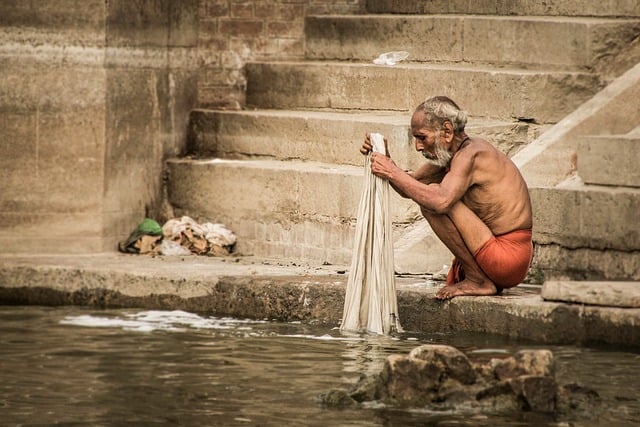
Local traditions can be learned through various avenues that immerse individuals in the cultural practices of a community. Engaging with local residents, participating in community events, and attending cultural festivals provide firsthand experiences of traditions. Additionally, local museums, cultural centers, and workshops offer educational resources and activities that highlight the history and significance of these customs. Exploring regional cuisine through cooking classes or food tours can also reveal the culinary traditions unique to an area. By actively participating in these experiences, one can gain a deeper understanding and appreciation of local traditions.
Community Workshops and Classes
In the heart of Kyoto, Japan, the art of traditional tea ceremony is preserved and celebrated through community workshops that invite both locals and visitors to engage in this time-honored practice. At the En Tea House, participants are guided by experienced tea masters who share the intricate rituals involved in preparing and serving matcha. The serene atmosphere, enhanced by the gentle sound of water boiling and the subtle aroma of powdered green tea, creates an immersive experience. Attendees learn not only the technical aspects of the ceremony but also the philosophy behind it, emphasizing mindfulness and respect for nature. This workshop serves as a gateway to understanding Japanese culture, as each movement in the ceremony is steeped in centuries of tradition.
Traveling to the vibrant streets of Oaxaca, Mexico, one can discover the rich culinary heritage through cooking classes that focus on traditional Mexican cuisine. At Casa Oaxaca, renowned chefs lead hands-on workshops where participants learn to prepare classic dishes such as mole and tamales. The experience begins with a visit to the local market, where fresh ingredients are sourced, allowing participants to appreciate the importance of local produce in Oaxacan cooking. As the class unfolds, the chefs share stories about the origins of each dish, weaving together history and culture. This culinary journey not only enhances one’s cooking skills but also fosters a deeper appreciation for the flavors and techniques that define Mexican gastronomy.
In Italy, the picturesque region of Tuscany offers a unique opportunity to delve into the world of artisanal cheese-making. At the Fattoria La Vialla, visitors can participate in workshops that explore the traditional methods of crafting pecorino and ricotta. Guided by skilled cheesemakers, participants engage in the entire process, from milking the sheep to curdling the milk and aging the cheese. This hands-on experience is complemented by tastings of various cheeses paired with local wines, allowing attendees to savor the fruits of their labor. The workshop not only highlights the importance of sustainable farming practices but also emphasizes the communal aspect of food production, as participants bond over shared experiences and culinary creations.
Venturing to the coastal town of Santorini, Greece, one can immerse themselves in the art of pottery through workshops that celebrate the island’s rich artistic heritage. At the Santorini Arts Factory, skilled artisans teach participants the techniques of shaping clay and glazing pottery, drawing inspiration from ancient Greek designs. The workshop environment is both creative and educational, as artisans share insights into the historical significance of pottery in Greek culture. As participants mold their creations, they gain a deeper understanding of the connection between art and daily life in ancient Greece, fostering a sense of appreciation for the craftsmanship involved.
In the bustling city of Marrakech, Morocco, the vibrant world of traditional Moroccan textiles comes to life through community workshops that focus on weaving and dyeing techniques. At the Maison de la Photographie, artisans guide participants in creating their own rugs and textiles using age-old methods. The workshop begins with an introduction to the various natural dyes derived from local plants, followed by hands-on instruction in weaving patterns that reflect the rich cultural tapestry of Morocco. This immersive experience not only allows participants to create unique pieces of art but also connects them to the stories and traditions that have been passed down through generations.
Finally, in the enchanting city of Istanbul, Turkey, the art of calligraphy is celebrated through workshops that invite individuals to explore this intricate form of writing. At the Istanbul Calligraphy Center, master calligraphers teach participants the fundamentals of Arabic script, emphasizing the beauty and fluidity of each stroke. The workshop provides an opportunity to learn about the historical significance of calligraphy in Islamic culture, as well as its role in art and architecture. As participants practice their skills, they gain insight into the meditative qualities of this art form, fostering a deeper connection to the cultural heritage of Turkey.
Q&A
Where can I find local cultural events to learn about traditions?
Local cultural events can often be found through community centers, local tourism websites, or social media groups dedicated to your area. Attending festivals, fairs, and workshops can provide firsthand experience of local traditions.
Are there any online resources for learning about local traditions?
Yes, many websites and online platforms offer information about local traditions, including blogs, cultural heritage sites, and online courses. You can also explore YouTube for documentaries and videos showcasing local customs.
How can I connect with locals to learn about their traditions?
Joining community groups, attending local meetups, or participating in volunteer activities can help you connect with locals. Engaging in conversations and asking questions about their traditions can lead to valuable insights.
What role do museums play in teaching local traditions?
Museums often showcase artifacts, exhibits, and programs that highlight local history and traditions. Visiting these institutions can provide a deeper understanding of the cultural practices and heritage of the area.
Can I learn about local traditions through cooking classes?
Yes, cooking classes focused on regional cuisine can be an excellent way to learn about local traditions. These classes often incorporate stories and cultural significance behind the dishes, enriching your understanding of the community’s heritage.
You can learn about local traditions through various avenues such as community events, cultural festivals, and workshops that focus on traditional crafts or practices. Engaging with local residents and participating in their daily activities can provide firsthand experience and insights. Additionally, visiting museums or cultural centers dedicated to the region’s history can enhance your understanding. Overall, immersing yourself in the community and its activities is the most effective way to learn about local traditions.
Tinggalkan Balasan