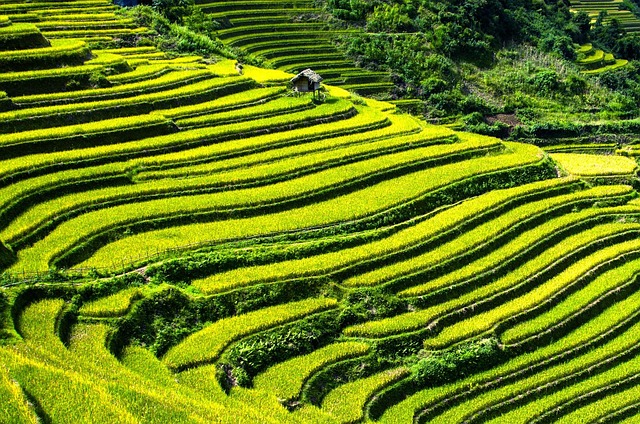
Staying locally near rice fields offers a unique opportunity to immerse oneself in the serene beauty of rural landscapes and traditional agricultural practices. This experience allows visitors to connect with nature, witness the intricate process of rice cultivation, and engage with local communities. The lush green fields, often accompanied by picturesque views and vibrant sunsets, create a tranquil environment perfect for relaxation and reflection. Additionally, staying in such areas provides a chance to savor authentic local cuisine, participate in cultural activities, and gain a deeper understanding of the region’s heritage and lifestyle. Whether through homestays, eco-lodges, or small guesthouses, the experience of being close to rice fields enriches the travel journey with unforgettable memories and insights into sustainable living.
Benefits of Staying Near Rice Fields for Eco-Tourism.
Staying near rice fields offers a unique opportunity for eco-tourism, allowing travelers to immerse themselves in the serene beauty of rural landscapes while supporting sustainable practices. One of the most compelling benefits of this experience is the chance to witness traditional farming methods that have been passed down through generations. For instance, in regions like Ubud, Bali, visitors can observe the intricate process of rice cultivation, from planting seedlings to harvesting. This not only provides insight into the agricultural practices that sustain local communities but also fosters a deeper appreciation for the environment and the importance of biodiversity.
Moreover, accommodations near rice fields often prioritize eco-friendly practices, making them ideal for environmentally conscious travelers. Many hotels and guesthouses in these areas utilize sustainable materials in their construction and operations, such as bamboo and reclaimed wood. For example, the Bambu Indah Hotel in Ubud is renowned for its commitment to sustainability, featuring traditional Javanese wooden houses that blend seamlessly with the surrounding landscape. Guests can enjoy the tranquility of their surroundings while knowing that their stay supports eco-friendly initiatives, such as organic farming and waste reduction programs.
In addition to promoting sustainability, staying near rice fields allows travelers to engage with local cultures in a meaningful way. Many accommodations offer cultural experiences, such as cooking classes that highlight traditional Balinese cuisine, which often features rice as a staple ingredient. At the Sari Organik restaurant, located amidst the rice paddies, visitors can savor dishes made from fresh, locally sourced ingredients while enjoying panoramic views of the lush fields. This not only enhances the culinary experience but also connects guests with the agricultural roots of the region, fostering a sense of community and shared knowledge.
Furthermore, the natural beauty of rice fields provides a stunning backdrop for various outdoor activities. Hiking and cycling through the verdant terraces can be a rewarding way to explore the landscape while promoting physical well-being. The Campuhan Ridge Walk in Ubud, for instance, offers breathtaking views of the surrounding rice fields and lush hills, making it a popular choice for both tourists and locals. As travelers traverse these scenic routes, they can appreciate the harmony between agriculture and nature, reinforcing the importance of preserving such environments for future generations.
Additionally, staying near rice fields often means access to unique wellness experiences that capitalize on the tranquil surroundings. Many eco-friendly hotels, such as the Fivelements Retreat, offer holistic wellness programs that incorporate traditional healing practices and natural therapies. Guests can indulge in yoga sessions overlooking the rice paddies or partake in meditation workshops designed to enhance mindfulness and relaxation. This connection to nature not only promotes physical health but also nurtures mental well-being, allowing visitors to recharge in a peaceful setting.
Finally, the opportunity to support local economies is a significant advantage of staying near rice fields. By choosing accommodations that prioritize local sourcing and employment, travelers contribute to the livelihoods of farmers and artisans in the area. The Alila Villas Ubud exemplifies this commitment, as it collaborates with local farmers to source ingredients for its restaurants and offers guests the chance to participate in community initiatives. This symbiotic relationship between tourism and agriculture not only enriches the travel experience but also ensures that the benefits of eco-tourism are felt by the entire community.
Q&A
What are the benefits of staying near rice fields?
Staying near rice fields offers a unique opportunity to experience rural life and local culture. Visitors can enjoy scenic views, tranquility, and the chance to learn about traditional farming practices.
What activities can I do while staying near rice fields?
Guests can engage in activities such as rice planting, harvesting, and guided tours of the fields. Additionally, photography, bird watching, and exploring nearby villages are popular options.
Are there accommodations available near rice fields?
Yes, many rural areas offer a variety of accommodations, including homestays, guesthouses, and eco-lodges. These options often provide an authentic experience and a chance to connect with local families.
What is the best time to visit rice fields?
The best time to visit rice fields typically depends on the region, but many travelers prefer the planting season in spring or the harvest season in late summer to early fall. These times offer vibrant landscapes and cultural activities.
How can I respect local customs while staying near rice fields?
To respect local customs, it’s important to dress modestly, ask for permission before taking photos of people, and be mindful of local traditions. Engaging with the community and participating in local activities can also show appreciation for their culture.
Staying locally near rice fields offers a unique opportunity to immerse oneself in rural life and experience the beauty of agricultural landscapes. Visitors can enjoy the tranquility of nature, engage with local farmers, and learn about traditional rice cultivation practices. This experience fosters a deeper appreciation for the environment and the cultural significance of rice farming. Overall, it provides a refreshing escape from urban life while promoting sustainable tourism.
Tinggalkan Balasan