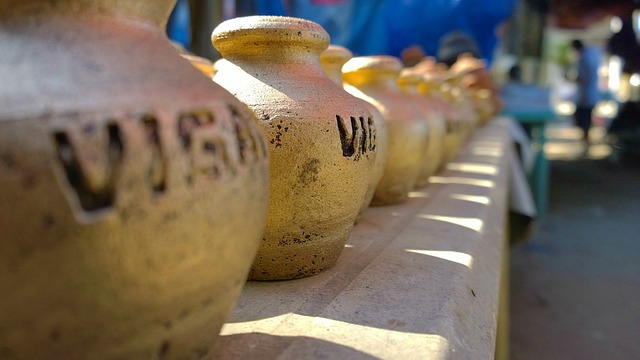
Vigan, a UNESCO World Heritage Site in the Philippines, is renowned for its well-preserved Spanish colonial and Asian architecture. This historic city offers a unique glimpse into the country’s rich cultural heritage, showcasing cobblestone streets, ancestral houses, and vibrant local traditions. Visitors can explore iconic landmarks such as Calle Crisologo, the Vigan Cathedral, and the Syquia Mansion, all of which reflect the fusion of indigenous and colonial influences. Checking into Vigan provides an opportunity to immerse oneself in the history and charm of this remarkable destination, making it a must-visit for heritage enthusiasts.
Exploring Vigan’s Colonial Architecture and Heritage Sites
Vigan, a UNESCO World Heritage Site located in the Philippines, is renowned for its well-preserved Spanish colonial architecture and rich cultural heritage. As one strolls through the cobblestone streets of this historic city, one cannot help but be transported back in time, where the influences of both Spanish and indigenous cultures are beautifully intertwined. The iconic Calle Crisologo stands out as a prime example of Vigan’s colonial charm, lined with ancestral houses that showcase intricate details and craftsmanship. These structures, with their wooden balconies and red-tiled roofs, serve as a testament to the city’s historical significance and architectural prowess.
Among the notable heritage sites in Vigan is the Vigan Cathedral, also known as the Cathedral of St. Paul the Apostle. This majestic church, built in the 16th century, features a stunning baroque façade and an impressive bell tower that offers panoramic views of the surrounding area. The interior is equally captivating, adorned with religious artworks and intricate woodwork that reflect the artistry of the period. Visitors often find themselves captivated by the serene atmosphere, making it a perfect spot for reflection amidst the bustling city.
Just a short walk from the cathedral lies the Syquia Mansion, a well-preserved ancestral home that belonged to the family of former Philippine President Elpidio Quirino. This mansion provides a glimpse into the lifestyle of the affluent during the Spanish colonial era. As one explores its rooms, adorned with antique furniture and period decor, the stories of the past come alive. The guided tours offer insights into the history of the mansion and its significance in Vigan’s narrative, making it a must-visit for history enthusiasts.
Transitioning from the grandeur of the Syquia Mansion, one can visit the Crisologo Museum, dedicated to the life and legacy of the prominent Crisologo family. This museum houses a collection of memorabilia, including photographs, documents, and personal items that chronicle the family’s contributions to Vigan’s history. The museum not only highlights the family’s political influence but also serves as a reminder of the city’s vibrant past. The exhibits are thoughtfully curated, allowing visitors to appreciate the depth of Vigan’s heritage while gaining a deeper understanding of its prominent figures.
As one continues to explore Vigan, the Bantay Bell Tower emerges as another significant landmark. Located just outside the city, this tower offers a unique vantage point for those wishing to admire the surrounding landscape. Originally built as a watchtower to warn the townspeople of incoming invaders, it now stands as a symbol of resilience and history. Climbing to the top rewards visitors with breathtaking views of the city and the nearby countryside, making it a popular spot for photography and contemplation.
For those seeking a place to stay that embodies the essence of Vigan’s heritage, the Hotel Luna is an exceptional choice. This boutique hotel is housed in a restored ancestral home, seamlessly blending modern comforts with traditional aesthetics. Each room is thoughtfully designed, featuring antique furnishings and local artwork that reflect the city’s rich culture. Guests can enjoy the hotel’s amenities, including a restaurant that serves authentic Ilocano cuisine, allowing them to indulge in the flavors of the region while surrounded by the charm of Vigan’s colonial architecture. The Hotel Luna not only provides a comfortable retreat but also immerses visitors in the historical ambiance that defines this remarkable city.
Q&A
What is the best time to visit Vigan for heritage tours?
The best time to visit Vigan is during the dry season, from November to April. This period offers pleasant weather, making it ideal for exploring the city’s historical sites and enjoying outdoor activities.
What are the must-see heritage sites in Vigan?
Key heritage sites in Vigan include Calle Crisologo, the Vigan Cathedral, and the Syquia Mansion. Each site showcases the unique blend of Spanish colonial architecture and local culture.
Is there an entrance fee for heritage sites in Vigan?
Most heritage sites in Vigan do not charge an entrance fee, but some museums and specific attractions may have a small fee. It’s advisable to check in advance for any costs associated with guided tours or special exhibits.
Are guided tours available for heritage exploration in Vigan?
Yes, guided tours are available and highly recommended for a more enriching experience. Local guides can provide valuable insights into the history and significance of the sites.
What local delicacies should I try while visiting Vigan?
While in Vigan, be sure to try the famous Vigan longganisa, empanada, and bagnet. These dishes reflect the region’s culinary heritage and are a must for any visitor.
Checking into Vigan for heritage offers a unique opportunity to experience a well-preserved colonial town that showcases a blend of Spanish and Filipino cultures. Visitors can explore cobblestone streets, ancestral houses, and historical landmarks, immersing themselves in the rich history and traditions of the area. The city’s UNESCO World Heritage status highlights its significance and charm, making it a must-visit destination for heritage enthusiasts. Overall, Vigan serves as a living museum that captivates and educates those who seek to understand the cultural tapestry of the Philippines.
Tinggalkan Balasan