Penulis: rieketm

  • Waking Above Krabi’s Limestone Coast

    Waking Above Krabi’s Limestone Coast

    “Waking Above Krabi’s Limestone Coast” invites readers to explore the breathtaking beauty and unique geological formations of Krabi, Thailand. This region is renowned for its dramatic limestone cliffs, crystal-clear waters, and lush tropical landscapes. The narrative captures the essence of awakening to the stunning vistas that define Krabi, highlighting the interplay between nature and adventure. From the serene beaches to the vibrant marine life, this introduction sets the stage for an unforgettable journey through one of Thailand’s most picturesque coastal areas.

    Waking Above Krabi’s Limestone Coast: A Sunrise Adventure

    As dawn breaks over Krabi’s limestone coast, the landscape transforms into a breathtaking tableau of jagged cliffs and emerald waters. The early morning light casts a golden hue on the iconic karst formations, creating a stunning contrast against the deep blue of the Andaman Sea. This picturesque setting is not only a feast for the eyes but also an invitation for adventure seekers to explore the natural beauty that defines this region. One of the best ways to experience this enchanting environment is by embarking on a sunrise hike to the viewpoint at the top of the Khao Ngon Nak, also known as Dragon Crest Mountain.

    The trail to the summit of Khao Ngon Nak is a well-maintained path that winds through lush tropical forests, offering glimpses of the diverse flora and fauna that thrive in this ecosystem. As hikers ascend, the sounds of the jungle awaken, with birds chirping and the rustle of leaves creating a symphony of nature. The journey is invigorating, and the anticipation of reaching the viewpoint adds to the excitement. Upon arrival, visitors are rewarded with a panoramic view that stretches across the coastline, revealing hidden beaches and the shimmering sea below. The sight of the sun rising over the horizon, illuminating the limestone cliffs, is a moment that remains etched in memory long after the hike is complete.

    After the hike, many travelers choose to unwind at the nearby Railay Beach, a stunning stretch of sand that is accessible only by boat. This secluded paradise is framed by towering limestone cliffs, making it a popular spot for rock climbing enthusiasts. The beach offers a tranquil atmosphere, perfect for relaxation after an exhilarating morning. Visitors can indulge in a refreshing swim in the crystal-clear waters or simply bask in the sun while enjoying the breathtaking scenery. The local beachside restaurants serve delicious Thai cuisine, allowing guests to savor the flavors of the region while taking in the stunning views.

    For those seeking a more luxurious experience, the Rayavadee Resort is an exceptional choice. Nestled amidst lush gardens and surrounded by dramatic cliffs, this five-star resort offers a unique blend of comfort and natural beauty. Each villa is designed to harmonize with the environment, featuring traditional Thai architecture and modern amenities. Guests can enjoy a private beach, indulge in spa treatments, or dine at one of the resort’s exquisite restaurants, all while being enveloped by the serene ambiance of Krabi’s coastline. The resort’s commitment to sustainability ensures that visitors can enjoy their stay while minimizing their impact on the environment.

    As the day unfolds, a visit to the Hong Islands is a must for those looking to explore further afield. A short boat ride from Krabi takes travelers to this idyllic archipelago, where pristine beaches and crystal-clear lagoons await. Snorkeling in the vibrant coral reefs reveals a world teeming with marine life, while kayaking through the tranquil waters allows for a closer look at the stunning limestone formations. The islands are a perfect escape for those wishing to immerse themselves in nature and experience the untouched beauty of the Andaman Sea.

    Finally, as the sun sets, returning to the vibrant town of Ao Nang offers a lively atmosphere filled with shops, bars, and restaurants. The bustling night market is a highlight, where visitors can sample local street food and shop for unique souvenirs. For those looking to unwind after a day of adventure, the Krabi Resort provides a comfortable retreat. Located right on the beach, this hotel offers stunning views of the sunset over the sea, making it an ideal spot to reflect on the day’s experiences while enjoying a cocktail by the shore.

    Q&A

    What is Waking Above Krabi’s Limestone Coast?

    Waking Above Krabi’s Limestone Coast is an immersive experience that combines adventure and nature exploration in the stunning limestone formations of Krabi, Thailand. It offers activities such as hiking, kayaking, and rock climbing, allowing visitors to appreciate the region’s unique geology and biodiversity.

    What activities are available at Waking Above Krabi’s Limestone Coast?

    Visitors can engage in various activities including hiking through lush trails, kayaking in serene waters, and rock climbing on the iconic limestone cliffs. These activities cater to different skill levels, making it accessible for both beginners and experienced adventurers.

    Is Waking Above Krabi suitable for families?

    Yes, Waking Above Krabi is suitable for families, as many activities can be tailored to accommodate children and adults alike. Family-friendly options include guided tours and easy hiking trails that allow everyone to enjoy the natural beauty of the area.

    What is the best time to visit Waking Above Krabi’s Limestone Coast?

    The best time to visit is during the dry season, which typically runs from November to April. During this period, the weather is more favorable for outdoor activities, with less rain and cooler temperatures.

    How can I get to Waking Above Krabi’s Limestone Coast?

    Waking Above Krabi is accessible by various means, including car rentals, taxis, or organized tours from Krabi town or nearby resorts. It is advisable to check local transportation options and plan your visit in advance for a smoother experience.

    “Waking Above Krabi’s Limestone Coast” highlights the stunning natural beauty and unique geological formations of the Krabi region in Thailand. The narrative captures the breathtaking views of limestone cliffs, emerald waters, and lush greenery, emphasizing the area’s ecological significance and cultural heritage. It invites readers to appreciate the harmony between nature and local communities, showcasing the importance of preserving such pristine environments. Ultimately, the piece serves as a reminder of the wonders of nature and the need for sustainable tourism practices.

  • Waking Beyond Boracay’s Busy Shore

    Waking Beyond Boracay’s Busy Shore

    “Waking Beyond Boracay’s Busy Shore” explores the serene and lesser-known aspects of Boracay Island, contrasting its bustling tourist hotspots with tranquil retreats and hidden gems. This narrative invites readers to discover the island’s natural beauty, cultural richness, and opportunities for relaxation away from the crowded beaches. It highlights the importance of mindfulness and connection to nature, encouraging a deeper appreciation for Boracay’s diverse landscapes and the peaceful experiences that await those willing to venture beyond the vibrant shoreline.

    The Serenity of Early Mornings on Boracay’s Beaches

    As the first light of dawn breaks over Boracay, the island transforms into a serene paradise, far removed from the bustling crowds that characterize its famous White Beach during the day. The gentle lapping of waves against the shore creates a soothing soundtrack, inviting early risers to embrace the tranquility of the moment. The soft hues of pink and orange paint the sky, reflecting on the calm waters, creating a picturesque scene that is best experienced in solitude. This early morning serenity offers a unique opportunity for visitors to connect with nature and appreciate the beauty of Boracay before the sun fully rises.

    One of the most enchanting spots to witness this early morning spectacle is the less-traveled Puka Shell Beach. Located on the northern tip of the island, Puka Shell Beach is known for its stunning natural beauty and fewer crowds. As the sun begins to rise, the beach is bathed in a golden glow, illuminating the unique puka shells that dot the shoreline. The sound of the waves crashing against the rocky outcrops adds to the peaceful ambiance, making it an ideal location for meditation or a quiet stroll. Visitors can often find themselves alone with their thoughts, allowing for a moment of reflection amidst the breathtaking scenery.

    For those seeking a more luxurious experience, the Shangri-La’s Boracay Resort and Spa offers an exquisite setting to enjoy the early morning calm. Nestled on a hillside overlooking the ocean, the resort provides private villas that come with their own infinity pools, allowing guests to soak in the beauty of the sunrise from the comfort of their accommodations. The resort’s dedicated staff often prepare a delightful breakfast spread that can be enjoyed on the terrace, where the gentle sea breeze complements the stunning views. This combination of luxury and natural beauty creates an unforgettable experience, allowing guests to start their day in a truly serene manner.

    As the sun rises higher, the vibrant colors of the sky gradually shift, signaling the arrival of a new day. The famous White Beach, while known for its lively atmosphere, also offers moments of peace in the early hours. Walking along the powdery white sand, one can witness local fishermen casting their nets into the water, their silhouettes framed against the backdrop of the rising sun. This glimpse into the daily life of the island’s residents adds a layer of authenticity to the experience, reminding visitors of the rich culture that thrives alongside the natural beauty of Boracay.

    In addition to the stunning beaches, the island is home to several hidden coves and lagoons that are best explored in the early morning light. The crystal-clear waters of Ilig-Iligan Beach, for instance, are particularly inviting at dawn. The beach is often deserted, allowing visitors to enjoy a refreshing swim or snorkel among the vibrant marine life without the distractions of larger crowds. The tranquility of this hidden gem provides a perfect escape for those looking to immerse themselves in Boracay’s natural wonders.

    Finally, for a truly unique experience, the Discovery Shores Boracay offers a morning yoga session on the beach, allowing guests to embrace the peacefulness of the surroundings while engaging in mindful practice. As the sun rises and the waves crash softly in the background, participants can find a sense of balance and harmony, setting a positive tone for the rest of the day. This blend of wellness and natural beauty encapsulates the essence of Boracay’s early mornings, showcasing the island’s ability to offer both relaxation and rejuvenation.

    Q&A

    What is “Waking Beyond Boracay’s Busy Shore” about?

    “Waking Beyond Boracay’s Busy Shore” is a narrative that explores the serene and lesser-known aspects of Boracay, contrasting the bustling tourist spots with the island’s tranquil beauty. It highlights the importance of mindfulness and connection to nature.

    Who is the author of the book?

    The book is authored by a local writer who has a deep appreciation for Boracay’s culture and environment. Their insights provide a unique perspective on the island’s hidden gems.

    What themes are explored in the book?

    The book delves into themes of mindfulness, environmental conservation, and the balance between tourism and nature. It encourages readers to reflect on their relationship with the environment.

    Is the book suitable for all ages?

    Yes, “Waking Beyond Boracay’s Busy Shore” is suitable for readers of all ages. Its themes and messages resonate with both young and adult audiences, making it a great read for families.

    Where can I purchase the book?

    The book is available at various online retailers and local bookstores in the Philippines. It may also be found in select shops on Boracay Island itself.

    “Waking Beyond Boracay’s Busy Shore” explores the contrast between the vibrant, bustling atmosphere of Boracay’s famous beaches and the serene, often overlooked natural beauty that lies beyond. It highlights the importance of seeking tranquility and connection with nature, encouraging visitors to venture away from the crowded tourist spots. The narrative emphasizes the value of mindfulness and appreciation for the quieter, more authentic experiences that the island has to offer. Ultimately, it serves as a reminder to balance the excitement of popular destinations with the peace found in their hidden corners.

  • Living Near Borobudur’s Rural Villages

    Living Near Borobudur’s Rural Villages

    Living near Borobudur’s rural villages offers a unique blend of cultural richness and natural beauty. Nestled in the heart of Central Java, Indonesia, these villages provide a serene environment characterized by lush rice paddies, traditional farming practices, and a close-knit community lifestyle. The proximity to the iconic Borobudur Temple, a UNESCO World Heritage site, enhances the area’s cultural significance, allowing residents to engage with both local traditions and the influx of visitors. This setting fosters a harmonious relationship between the preservation of heritage and the challenges of modernity, making it an intriguing place to live for those seeking tranquility and a deep connection to Javanese culture.

    Cultural Heritage of Borobudur’s Rural Villages

    The cultural heritage of Borobudur’s rural villages is a tapestry woven from centuries of tradition, spirituality, and community life. Nestled in the heart of Central Java, these villages are not merely picturesque backdrops to the iconic Borobudur Temple; they are vibrant centers of local culture that reflect the rich history of the region. The proximity to Borobudur, a UNESCO World Heritage Site, has fostered a unique blend of ancient customs and modern influences, creating a dynamic cultural landscape that is both fascinating and educational.

    One of the most striking aspects of the rural villages surrounding Borobudur is their commitment to preserving traditional crafts. For instance, the village of Candirejo is renowned for its batik production, a textile art form that has been passed down through generations. Visitors to Candirejo can witness artisans at work, skillfully applying wax to fabric before dyeing it in vibrant colors. This process not only showcases the intricate artistry involved but also serves as a means of sustaining the local economy. The villagers take pride in their craft, and many offer workshops where tourists can learn the techniques firsthand, fostering a deeper appreciation for this cultural heritage.

    In addition to the arts, the rural villages are steeped in spiritual practices that are closely tied to the presence of Borobudur. The temple itself is a significant pilgrimage site for Buddhists, and this spiritual significance permeates the surrounding communities. Villagers often engage in rituals and ceremonies that honor their ancestors and the teachings of Buddhism. For example, the village of Ngadiharjo hosts annual ceremonies that attract both locals and visitors, where traditional music and dance performances celebrate the harmony between nature and spirituality. These events not only reinforce community bonds but also invite outsiders to participate in the rich tapestry of local beliefs.

    Moreover, the agricultural practices in these villages reflect a deep connection to the land and its resources. The fertile soil surrounding Borobudur supports a variety of crops, including rice, fruits, and vegetables, which are integral to the local diet and economy. Villagers often practice sustainable farming techniques, ensuring that their agricultural heritage is preserved for future generations. The village of Wanurejo, for instance, is known for its organic farming initiatives, where locals cultivate crops without the use of harmful chemicals. This commitment to sustainability not only benefits the environment but also enhances the quality of life for the villagers, who take pride in their ability to produce healthy food for their families and the community.

    As one explores these rural villages, the hospitality of the locals becomes evident. Many families open their homes to visitors, offering homestays that provide an authentic glimpse into daily life. The experience of sharing meals prepared with locally sourced ingredients fosters a sense of connection and understanding between cultures. In the village of Borobudur itself, several homestays are available, allowing guests to immerse themselves in the local way of life while enjoying breathtaking views of the temple and surrounding landscapes. This interaction not only enriches the visitor’s experience but also empowers the community by providing an additional source of income.

    Among the various accommodations available, the Manohara Hotel stands out for its unique location and commitment to cultural preservation. Situated just a stone’s throw from Borobudur, this hotel offers guests the opportunity to witness the sunrise over the temple, a breathtaking sight that encapsulates the spiritual essence of the area. Furthermore, the hotel actively promotes local culture through its partnerships with nearby villages, organizing cultural events and workshops that allow guests to engage with the rich heritage of the region. By staying at Manohara, visitors not only enjoy modern comforts but also contribute to the ongoing preservation of the cultural heritage that defines Borobudur’s rural villages.

    Q&A

    What is the best time to visit the rural villages near Borobudur?

    The best time to visit is during the dry season, which runs from April to October. This period offers pleasant weather and clearer views of the surrounding landscapes.

    Are there accommodations available in the rural villages?

    Yes, there are various accommodations ranging from homestays to guesthouses. Staying in a local homestay can provide a more authentic experience of village life.

    What activities can visitors engage in while in the rural villages?

    Visitors can participate in rice farming, traditional cooking classes, and guided village tours. These activities offer insights into the local culture and daily life.

    Is it safe to walk around the rural villages?

    Yes, it is generally safe to walk around the rural villages. However, it’s advisable to be respectful of local customs and ask for permission before taking photos of people.

    How can visitors support the local economy while visiting?

    Visitors can support the local economy by purchasing handmade crafts, eating at local eateries, and staying in village accommodations. Engaging in community-based tourism helps ensure that the benefits of tourism reach the local residents.

    Living near Borobudur’s rural villages offers a unique blend of cultural richness and natural beauty. The proximity to the iconic temple provides residents with a deep connection to Indonesia’s historical heritage, while the surrounding landscapes enhance the quality of life. The community’s agricultural practices and traditional lifestyles foster a sense of belonging and sustainability. Overall, this environment promotes a harmonious balance between tradition and modernity, making it an enriching place to live.

  • Where I’d Learn Local Traditions

    Where I’d Learn Local Traditions

    Local traditions can be learned through various avenues that immerse individuals in the cultural practices of a community. Engaging with local residents, participating in community events, and attending cultural festivals provide firsthand experiences of traditions. Additionally, local museums, cultural centers, and workshops offer educational resources and activities that highlight the history and significance of these customs. Exploring regional cuisine through cooking classes or food tours can also reveal the culinary traditions unique to an area. By actively participating in these experiences, one can gain a deeper understanding and appreciation of local traditions.

    Community Workshops and Classes

    In the heart of Kyoto, Japan, the art of traditional tea ceremony is preserved and celebrated through community workshops that invite both locals and visitors to engage in this time-honored practice. At the En Tea House, participants are guided by experienced tea masters who share the intricate rituals involved in preparing and serving matcha. The serene atmosphere, enhanced by the gentle sound of water boiling and the subtle aroma of powdered green tea, creates an immersive experience. Attendees learn not only the technical aspects of the ceremony but also the philosophy behind it, emphasizing mindfulness and respect for nature. This workshop serves as a gateway to understanding Japanese culture, as each movement in the ceremony is steeped in centuries of tradition.

    Traveling to the vibrant streets of Oaxaca, Mexico, one can discover the rich culinary heritage through cooking classes that focus on traditional Mexican cuisine. At Casa Oaxaca, renowned chefs lead hands-on workshops where participants learn to prepare classic dishes such as mole and tamales. The experience begins with a visit to the local market, where fresh ingredients are sourced, allowing participants to appreciate the importance of local produce in Oaxacan cooking. As the class unfolds, the chefs share stories about the origins of each dish, weaving together history and culture. This culinary journey not only enhances one’s cooking skills but also fosters a deeper appreciation for the flavors and techniques that define Mexican gastronomy.

    In Italy, the picturesque region of Tuscany offers a unique opportunity to delve into the world of artisanal cheese-making. At the Fattoria La Vialla, visitors can participate in workshops that explore the traditional methods of crafting pecorino and ricotta. Guided by skilled cheesemakers, participants engage in the entire process, from milking the sheep to curdling the milk and aging the cheese. This hands-on experience is complemented by tastings of various cheeses paired with local wines, allowing attendees to savor the fruits of their labor. The workshop not only highlights the importance of sustainable farming practices but also emphasizes the communal aspect of food production, as participants bond over shared experiences and culinary creations.

    Venturing to the coastal town of Santorini, Greece, one can immerse themselves in the art of pottery through workshops that celebrate the island’s rich artistic heritage. At the Santorini Arts Factory, skilled artisans teach participants the techniques of shaping clay and glazing pottery, drawing inspiration from ancient Greek designs. The workshop environment is both creative and educational, as artisans share insights into the historical significance of pottery in Greek culture. As participants mold their creations, they gain a deeper understanding of the connection between art and daily life in ancient Greece, fostering a sense of appreciation for the craftsmanship involved.

    In the bustling city of Marrakech, Morocco, the vibrant world of traditional Moroccan textiles comes to life through community workshops that focus on weaving and dyeing techniques. At the Maison de la Photographie, artisans guide participants in creating their own rugs and textiles using age-old methods. The workshop begins with an introduction to the various natural dyes derived from local plants, followed by hands-on instruction in weaving patterns that reflect the rich cultural tapestry of Morocco. This immersive experience not only allows participants to create unique pieces of art but also connects them to the stories and traditions that have been passed down through generations.

    Finally, in the enchanting city of Istanbul, Turkey, the art of calligraphy is celebrated through workshops that invite individuals to explore this intricate form of writing. At the Istanbul Calligraphy Center, master calligraphers teach participants the fundamentals of Arabic script, emphasizing the beauty and fluidity of each stroke. The workshop provides an opportunity to learn about the historical significance of calligraphy in Islamic culture, as well as its role in art and architecture. As participants practice their skills, they gain insight into the meditative qualities of this art form, fostering a deeper connection to the cultural heritage of Turkey.

    Q&A

    Where can I find local cultural events to learn about traditions?

    Local cultural events can often be found through community centers, local tourism websites, or social media groups dedicated to your area. Attending festivals, fairs, and workshops can provide firsthand experience of local traditions.

    Are there any online resources for learning about local traditions?

    Yes, many websites and online platforms offer information about local traditions, including blogs, cultural heritage sites, and online courses. You can also explore YouTube for documentaries and videos showcasing local customs.

    How can I connect with locals to learn about their traditions?

    Joining community groups, attending local meetups, or participating in volunteer activities can help you connect with locals. Engaging in conversations and asking questions about their traditions can lead to valuable insights.

    What role do museums play in teaching local traditions?

    Museums often showcase artifacts, exhibits, and programs that highlight local history and traditions. Visiting these institutions can provide a deeper understanding of the cultural practices and heritage of the area.

    Can I learn about local traditions through cooking classes?

    Yes, cooking classes focused on regional cuisine can be an excellent way to learn about local traditions. These classes often incorporate stories and cultural significance behind the dishes, enriching your understanding of the community’s heritage.

    You can learn about local traditions through various avenues such as community events, cultural festivals, and workshops that focus on traditional crafts or practices. Engaging with local residents and participating in their daily activities can provide firsthand experience and insights. Additionally, visiting museums or cultural centers dedicated to the region’s history can enhance your understanding. Overall, immersing yourself in the community and its activities is the most effective way to learn about local traditions.

  • My Home Stay Before Komodo

    My Home Stay Before Komodo

    My Home Stay Before Komodo is a charming and welcoming accommodation option located in Labuan Bajo, Indonesia, serving as the perfect gateway for travelers heading to the stunning Komodo National Park. With its cozy atmosphere, personalized service, and convenient amenities, guests can enjoy a comfortable stay while exploring the breathtaking landscapes and unique wildlife of the region. The home stay offers a blend of local culture and modern comforts, making it an ideal choice for adventurers and nature lovers alike.

    My Home Stay Experience Before Komodo: A Serene Retreat

    Nestled in the heart of Labuan Bajo, my home stay experience before embarking on the Komodo adventure was nothing short of enchanting. The quaint establishment, known as La Casa Komodo, offered a perfect blend of comfort and local charm, making it an ideal base for exploring the surrounding natural wonders. Upon arrival, I was greeted by the warm smiles of the staff, who immediately made me feel at home. The vibrant decor, adorned with traditional Indonesian art, created an inviting atmosphere that set the tone for my stay.

    As I settled into my room, I was captivated by the stunning views of the harbor, which were visible from my private balcony. The gentle sound of waves lapping against the shore provided a soothing backdrop, enhancing the serene ambiance of the home stay. Each morning, I awoke to the soft glow of sunrise illuminating the sky, a daily reminder of the beauty that surrounded me. The room itself was tastefully furnished, featuring a comfortable bed draped in crisp linens and a cozy seating area that invited relaxation. The attention to detail in the decor reflected the local culture, with handcrafted wooden furniture and vibrant textiles that added character to the space.

    One of the highlights of my stay was the opportunity to indulge in the culinary delights offered at La Casa Komodo. Each morning, I was treated to a sumptuous breakfast featuring a variety of local dishes, including Nasi Goreng and fresh tropical fruits. The flavors were a delightful introduction to the rich culinary heritage of Indonesia, and the use of locally sourced ingredients made each meal even more special. The communal dining area, with its open-air design, allowed guests to enjoy their meals while soaking in the breathtaking views of the surrounding landscape. This setting fostered a sense of community among guests, as we shared stories and recommendations for our upcoming adventures.

    In addition to the exceptional accommodations and dining experiences, La Casa Komodo also provided a range of activities that allowed me to immerse myself in the local culture. The staff organized guided tours to nearby attractions, including the famous Komodo National Park, where I would soon encounter the legendary Komodo dragons. They also offered cultural workshops, such as traditional cooking classes and batik painting sessions, which provided insight into the rich heritage of the region. Participating in these activities not only enriched my understanding of the local culture but also created lasting memories that I would cherish long after my departure.

    Moreover, the home stay’s location was ideal for exploring Labuan Bajo and its surroundings. Just a short walk from the bustling harbor, I had easy access to various shops, cafes, and local markets. The vibrant atmosphere of the town was infectious, with friendly locals eager to share their stories and traditions. I spent leisurely afternoons wandering through the market, sampling street food, and purchasing handmade crafts as souvenirs. Each interaction deepened my appreciation for the warmth and hospitality of the Indonesian people.

    As my time at La Casa Komodo came to an end, I felt a profound sense of gratitude for the experiences I had enjoyed. The home stay had not only provided me with a comfortable and welcoming environment but had also served as a gateway to the wonders of the region. With a heart full of anticipation, I prepared to embark on my journey to Komodo, knowing that the memories of my serene retreat would accompany me on this next adventure.

    Q&A

    What amenities are available at My Home Stay Before Komodo?

    My Home Stay Before Komodo offers comfortable accommodations with free Wi-Fi, air conditioning, and a shared kitchen. Guests can also enjoy a garden area and a terrace for relaxation.

    How can I book a stay at My Home Stay Before Komodo?

    You can book a stay through our official website or popular travel booking platforms. Reservations can be made online, and you will receive a confirmation via email.

    Is breakfast included in the stay?

    Yes, a complimentary breakfast is provided for all guests. It typically includes a selection of local dishes and beverages to start your day.

    What activities are available near My Home Stay Before Komodo?

    Guests can enjoy various activities such as snorkeling, diving, and island hopping in the Komodo National Park. Local tours can be arranged through the homestay for a convenient experience.

    What is the check-in and check-out policy?

    Check-in is typically from 2 PM, and check-out is by 11 AM. Early check-in and late check-out may be available upon request, subject to availability.

    My Home Stay Before Komodo offers a unique and comfortable experience for travelers seeking to explore the beauty of the Komodo Islands. With its welcoming atmosphere, friendly staff, and convenient location, guests can enjoy a relaxing stay while preparing for their adventures. The accommodations are designed to provide a cozy retreat, making it an ideal base for those looking to discover the natural wonders of the region. Overall, it serves as a perfect prelude to the unforgettable experiences that await in Komodo.

  • My ASEAN Villa Honeymoon Route

    My ASEAN Villa Honeymoon Route

    My ASEAN Villa Honeymoon Route is a curated travel experience designed for couples seeking romance and adventure across Southeast Asia. This enchanting journey takes you through some of the region’s most picturesque destinations, featuring luxurious villas, breathtaking landscapes, and rich cultural experiences. From the pristine beaches of Thailand to the lush jungles of Vietnam, each stop offers unique opportunities for relaxation and exploration. With personalized itineraries and exclusive amenities, My ASEAN Villa Honeymoon Route ensures an unforgettable getaway for newlyweds looking to celebrate their love in a stunning tropical paradise.

    Romantic Destinations Along the My ASEAN Villa Honeymoon Route

    The My ASEAN Villa Honeymoon Route offers an enchanting journey through some of the most romantic destinations in Southeast Asia, where couples can immerse themselves in the beauty and culture of the region. One of the standout locations along this route is the idyllic island of Bali, Indonesia. Known for its lush landscapes and vibrant culture, Bali is a haven for honeymooners seeking both adventure and relaxation. Couples can explore the terraced rice fields of Ubud, where the serene environment provides a perfect backdrop for intimate moments. Additionally, the island boasts luxurious villas, such as the Four Seasons Resort at Sayan, which offers private pools and stunning views of the Ayung River, creating an atmosphere of tranquility and romance.

    As the journey continues, the next destination is the historic city of Luang Prabang in Laos. This UNESCO World Heritage site is renowned for its well-preserved architecture and spiritual ambiance. Couples can wander hand-in-hand through the charming streets, visiting ancient temples like Wat Xieng Thong, which showcases intricate designs and serene surroundings. The intimate atmosphere of Luang Prabang is further enhanced by the Mekong River, where couples can take a sunset cruise, enjoying the breathtaking views as the sun dips below the horizon. For accommodations, the Amantaka resort offers a blend of luxury and local charm, with spacious villas that provide a peaceful retreat after a day of exploration.

    Moving on to Vietnam, the enchanting town of Hoi An captures the hearts of many with its lantern-lit streets and rich history. This former trading port is famous for its well-preserved Ancient Town, where couples can stroll through narrow alleys lined with colorful buildings and quaint shops. The culinary scene in Hoi An is equally captivating, with numerous cooking classes available for couples to learn the art of Vietnamese cuisine together. For a romantic stay, the Anantara Hoi An Resort offers riverside villas that exude charm and comfort, allowing guests to unwind in a serene setting while enjoying the beauty of the surrounding landscape.

    Next, the journey leads to the stunning beaches of Thailand, particularly the island of Koh Samui. Known for its palm-fringed shores and crystal-clear waters, Koh Samui is a paradise for couples seeking sun and relaxation. The island offers a variety of activities, from snorkeling in vibrant coral reefs to indulging in rejuvenating spa treatments. The luxurious Six Senses Samui resort provides an exceptional experience, with private villas that feature infinity pools overlooking the Gulf of Thailand, ensuring that every moment spent here is filled with romance and tranquility.

    Finally, the My ASEAN Villa Honeymoon Route culminates in the vibrant city of Kuala Lumpur, Malaysia. This bustling metropolis is a blend of modernity and tradition, offering couples a unique experience. The iconic Petronas Twin Towers provide a stunning backdrop for romantic evenings, especially when illuminated at night. Couples can explore the diverse culinary scene, sampling local delicacies in the bustling markets or enjoying fine dining in upscale restaurants. For a luxurious stay, the Mandarin Oriental Kuala Lumpur offers opulent rooms with breathtaking views of the city skyline, ensuring that every moment of the honeymoon is marked by elegance and comfort. Each destination along this route not only enhances the romantic experience but also creates lasting memories that couples will cherish for a lifetime.

    Q&A

    What is the My ASEAN Villa Honeymoon Route?

    The My ASEAN Villa Honeymoon Route is a curated travel itinerary designed for couples seeking romantic experiences across Southeast Asia. It highlights unique accommodations, scenic locations, and cultural activities ideal for honeymooners.

    Which countries are included in the My ASEAN Villa Honeymoon Route?

    The route typically includes popular Southeast Asian destinations such as Thailand, Malaysia, Indonesia, and Vietnam. Each country offers distinct romantic experiences and luxurious villa stays.

    What types of accommodations can couples expect on this route?

    Couples can expect a range of luxurious villas, boutique hotels, and private resorts that cater specifically to honeymooners. Many accommodations offer amenities like private pools, spa services, and stunning views.

    Are there any specific activities recommended for honeymooners on this route?

    Recommended activities include romantic dinners, sunset cruises, couples’ spa treatments, and cultural excursions. Each destination offers unique experiences that enhance the romantic atmosphere.

    How can couples plan their trip along the My ASEAN Villa Honeymoon Route?

    Couples can plan their trip by researching destinations, selecting preferred accommodations, and booking activities in advance. Travel agencies specializing in honeymoon packages can also assist in creating a personalized itinerary.

    The My ASEAN Villa Honeymoon Route offers a unique and romantic travel experience for couples seeking to explore the beauty and culture of Southeast Asia. This curated journey showcases luxurious accommodations, breathtaking landscapes, and intimate activities across various ASEAN countries. By blending adventure with relaxation, the route provides an unforgettable backdrop for honeymooners to create lasting memories. Overall, it highlights the diverse charm of the region while catering to the desires of newlyweds.

  • Villas Worth Leaving Cities For

    Villas Worth Leaving Cities For

    Villas Worth Leaving Cities For offer a serene escape from the hustle and bustle of urban life, providing a perfect blend of luxury, comfort, and natural beauty. Nestled in picturesque landscapes, these exquisite properties often feature stunning architecture, expansive gardens, and breathtaking views, making them ideal retreats for those seeking tranquility and rejuvenation. With amenities that cater to relaxation and leisure, such as private pools, spa facilities, and outdoor entertainment areas, these villas create an inviting atmosphere that encourages a slower pace of life. Whether situated in coastal regions, mountainous terrains, or lush countryside, these havens promise an unparalleled living experience that beckons city dwellers to embrace a more peaceful and fulfilling lifestyle.

    Luxurious Retreats: Villas That Offer Serenity Away from Urban Life

    In the quest for tranquility away from the hustle and bustle of urban life, luxurious villas provide an ideal sanctuary, offering both comfort and serenity. One such retreat is the Villa La Cassinella, nestled on the shores of Lake Como in Italy. This exquisite property boasts breathtaking views of the surrounding mountains and the shimmering waters of the lake. With its elegant design and lush gardens, Villa La Cassinella serves as a perfect escape for those seeking a peaceful environment. Guests can indulge in the villa’s private pool, enjoy gourmet meals prepared by a personal chef, or simply relax on the terrace while soaking in the stunning landscape.

    Transitioning from the serene shores of Lake Como to the sun-kissed beaches of the Caribbean, the Villa Serenity in St. Barts offers a different yet equally captivating experience. This luxurious villa is perched on a hillside, providing panoramic views of the turquoise sea. The open-concept design allows for a seamless flow between indoor and outdoor living spaces, making it an ideal setting for relaxation and social gatherings. Guests can unwind in the infinity pool or take a short stroll to the nearby beach, where the soft sand and gentle waves create a perfect backdrop for a day of leisure. The attentive staff ensures that every need is met, allowing visitors to fully immerse themselves in the tranquility of their surroundings.

    Meanwhile, in the heart of the Mediterranean, the Villa Santorini in Greece stands as a testament to luxury and elegance. This stunning property features traditional Cycladic architecture, with whitewashed walls and blue domes that reflect the island’s iconic aesthetic. The villa’s expansive terraces offer breathtaking views of the Aegean Sea, making it an ideal spot for sunset cocktails. Guests can explore the nearby charming villages, indulge in local cuisine at nearby tavernas, or simply relax in the villa’s private hot tub. The serene atmosphere, combined with the rich cultural heritage of Santorini, creates an unforgettable experience for those seeking a luxurious retreat.

    As we journey to the lush landscapes of Bali, the Villa Kalyana emerges as a true oasis of peace. Surrounded by verdant rice paddies and tropical gardens, this villa offers a unique blend of modern luxury and traditional Balinese charm. The open-air living spaces invite the gentle breeze, while the infinity pool provides a stunning view of the surrounding nature. Guests can partake in rejuvenating spa treatments or practice yoga in the tranquil gardens, allowing them to reconnect with their inner selves. The attentive staff is dedicated to ensuring a personalized experience, making Villa Kalyana a perfect choice for those looking to escape the chaos of city life.

    Finally, the Villa Alang Alang in the hills of Ubud, Bali, offers a unique perspective on luxury and serenity. This villa is designed with a focus on sustainability, featuring natural materials and an eco-friendly approach. The stunning infinity pool overlooks the lush jungle, creating a serene environment that encourages relaxation and reflection. Guests can explore the nearby rice terraces or visit local artisan markets, immersing themselves in the rich culture of Bali. The combination of luxurious amenities and a commitment to sustainability makes Villa Alang Alang a remarkable choice for travelers seeking both comfort and a connection to nature. Each of these villas exemplifies the essence of luxurious retreats, inviting guests to leave behind the stresses of urban life and embrace a world of serenity and beauty.

    Q&A

    What are the benefits of living in a villa outside the city?

    Living in a villa outside the city offers tranquility, spaciousness, and a closer connection to nature. It often provides a more relaxed lifestyle with less noise and pollution compared to urban areas.

    How do villa prices compare to city properties?

    Villa prices can vary significantly based on location, size, and amenities, but they often provide more space for the same or lower price than city properties. Additionally, villas may come with land, which can be a valuable investment.

    What amenities should I look for in a villa?

    Key amenities to consider include outdoor space, swimming pools, modern kitchens, and proximity to essential services like grocery stores and healthcare. Additionally, features like security systems and energy efficiency can enhance your living experience.

    Are villas suitable for families?

    Yes, villas are often ideal for families due to their spacious layouts and outdoor areas for children to play. They typically offer a safer environment away from busy city streets, making them a great choice for family living.

    How can I find the right villa for my needs?

    Start by determining your budget and desired location, then research online listings and consult with real estate agents specializing in villas. Visiting properties in person can also help you assess their suitability for your lifestyle.

    Villas worth leaving cities for often offer a serene escape, combining luxury with natural beauty. These properties typically feature spacious layouts, stunning views, and access to outdoor activities, making them ideal for relaxation and rejuvenation. The allure of a villa lies in its ability to provide a peaceful retreat while still being within reach of urban amenities. Ultimately, investing in such a villa can enhance quality of life, offering a perfect balance between tranquility and convenience.

  • My Neighborhood Experience in Bandung

    My Neighborhood Experience in Bandung

    My neighborhood experience in Bandung is a vibrant tapestry of culture, community, and natural beauty. Nestled amidst lush hills and adorned with colonial architecture, Bandung offers a unique blend of modernity and tradition. The streets are alive with the sounds of local markets, where vendors sell everything from fresh produce to artisanal crafts. The warmth of the community is palpable, with friendly faces and a strong sense of togetherness. Parks and green spaces provide a serene escape, while the aroma of street food wafts through the air, inviting exploration. This dynamic environment fosters a rich social life, where festivals and events celebrate the diverse heritage of the city, making every day an opportunity for new experiences and connections.

    Exploring Local Cuisine in Bandung

    Bandung, a vibrant city nestled in the highlands of West Java, Indonesia, is renowned for its rich culinary landscape that reflects the diverse cultural influences of the region. As one wanders through the bustling streets, the aroma of traditional dishes wafts through the air, inviting both locals and visitors to indulge in the unique flavors that define this city. One cannot overlook the iconic dish known as “nasi goreng,” or fried rice, which is often served with a variety of accompaniments such as fried chicken, shrimp, or vegetables. This dish is a staple in many local eateries, where it is prepared with a distinct blend of spices that showcases the culinary heritage of the Sundanese people.

    Transitioning from the savory to the sweet, Bandung is also famous for its delectable desserts, particularly “pisang goreng,” or fried bananas. These golden treats are often served with a drizzle of honey or chocolate sauce, making them a popular snack among both children and adults. Street vendors can be found throughout the city, offering freshly fried bananas that are crispy on the outside and soft on the inside. The experience of enjoying these warm, sweet delights while strolling through the vibrant streets adds to the charm of Bandung’s culinary scene.

    As one delves deeper into the local cuisine, the traditional Sundanese restaurant, “Saung Angklung Udjo,” emerges as a must-visit destination. This establishment not only serves authentic Sundanese dishes but also offers cultural performances that highlight the region’s rich musical heritage. Guests can savor dishes such as “ikan bakar” (grilled fish) and “sayur asem” (sour vegetable soup) while enjoying a captivating angklung performance, where bamboo instruments are played in harmony. The combination of food and culture creates a memorable dining experience that encapsulates the essence of Bandung.

    Moreover, the city is home to a plethora of food markets, with “Pasar Baru” being one of the most notable. This bustling market is a treasure trove of local delicacies, where visitors can sample an array of street food, from “tahu gejrot” (fried tofu in spicy sauce) to “kerupuk” (crackers). The vibrant atmosphere, filled with the sounds of vendors calling out to potential customers, enhances the experience of exploring the local cuisine. As one navigates through the market, the opportunity to engage with local vendors and learn about their culinary traditions adds a personal touch to the gastronomic journey.

    In addition to traditional dishes, Bandung has embraced modern culinary trends, resulting in a fusion of flavors that cater to diverse palates. Cafés and restaurants such as “Café D’Pakar” offer innovative takes on classic Indonesian dishes, incorporating international influences while maintaining the essence of local ingredients. The café’s signature dish, “beef rendang,” is a prime example of this fusion, featuring tender beef slow-cooked in a rich coconut milk sauce, served alongside a contemporary twist of quinoa. This blend of tradition and modernity reflects the evolving culinary landscape of Bandung.

    Finally, for those seeking a unique dining experience, “The Valley” restaurant stands out as a picturesque venue that offers stunning views of the city. Perched on a hill, this establishment provides a serene ambiance complemented by a menu that features both Indonesian and international cuisine. Diners can enjoy dishes such as “sate” (skewered meat) while taking in the breathtaking sunset over Bandung. The combination of exquisite food and a stunning backdrop makes The Valley a perfect spot for both casual meals and special occasions, encapsulating the essence of Bandung’s culinary charm.

    Q&A

    What are the main attractions in Bandung?

    Bandung is known for its beautiful landscapes, including Tangkuban Perahu volcano and Kawah Putih crater lake. The city also features cultural sites like the Saung Angklung Udjo and various shopping outlets.

    What is the best time to visit Bandung?

    The best time to visit Bandung is during the dry season, from May to September, when the weather is pleasant. However, the city can be visited year-round, as it has a cooler climate compared to other Indonesian cities.

    How is the local cuisine in Bandung?

    Bandung offers a rich culinary scene, famous for dishes like Batagor, Siomay, and Nasi Timbel. Street food is abundant, providing a variety of flavors and experiences for food lovers.

    What transportation options are available in Bandung?

    Transportation in Bandung includes public buses, angkots (minivans), and ride-hailing services like Gojek and Grab. Taxis are also available, but traffic can be congested during peak hours.

    Are there any cultural events in Bandung?

    Yes, Bandung hosts various cultural events throughout the year, including the Bandung Music Festival and the Bandung Creative City Forum. These events showcase local arts, music, and traditions, attracting both locals and tourists.

    My neighborhood experience in Bandung has been vibrant and enriching, characterized by a blend of cultural diversity and community spirit. The local markets, street food, and friendly interactions with neighbors have created a warm and welcoming atmosphere. The lush greenery and cooler climate add to the charm, making it an ideal place for outdoor activities and social gatherings. Overall, living in Bandung has fostered a strong sense of belonging and appreciation for the unique lifestyle it offers.

  • Where I’d Choose Privacy First

    Where I’d Choose Privacy First

    “Where I’d Choose Privacy First” explores the critical importance of privacy in our increasingly digital world. As technology advances and personal data becomes more vulnerable to exploitation, the need for privacy-centric choices has never been more pressing. This piece delves into various aspects of life—ranging from social media usage to online shopping and communication—highlighting the significance of prioritizing privacy in our daily decisions. By examining the implications of data sharing and the benefits of adopting privacy-first practices, this introduction sets the stage for a deeper understanding of how individuals can protect their personal information and maintain control over their digital identities.

    Digital Communication Platforms

    In an era where digital communication platforms dominate our interactions, the quest for privacy has become increasingly paramount. One notable location that embodies this ethos is the serene enclave of the Amangiri Resort in Utah. Nestled amidst the stunning red rock formations of the American Southwest, this luxury resort offers not only breathtaking views but also a commitment to guest privacy. The resort’s design, which seamlessly integrates with the natural landscape, ensures that each villa is discreetly positioned, allowing guests to enjoy their stay without the intrusion of prying eyes. This thoughtful layout is complemented by the resort’s policy of minimal digital interference, encouraging visitors to disconnect from their devices and immerse themselves in the tranquil surroundings.

    Transitioning from the rugged beauty of Utah to the lush landscapes of Bali, the Four Seasons Resort at Sayan presents another exceptional option for those prioritizing privacy. This resort is renowned for its secluded villas, each featuring private plunge pools and expansive views of the Ayung River. The architecture harmonizes with the environment, creating a sanctuary that feels worlds away from the hustle and bustle of everyday life. Guests can indulge in wellness treatments at the on-site spa, where the focus is on holistic healing and rejuvenation, further enhancing the sense of seclusion. The resort’s commitment to privacy is evident in its personalized service, ensuring that each guest’s experience is tailored to their preferences while maintaining a respectful distance.

    As we explore further, the privacy offered by the Post Ranch Inn in Big Sur, California, cannot be overlooked. Perched on cliffs overlooking the Pacific Ocean, this eco-luxury hotel is designed to provide an intimate experience with nature. Each room features floor-to-ceiling windows that frame the stunning coastal views, allowing guests to feel connected to the landscape while remaining shielded from the outside world. The inn’s emphasis on sustainability and minimalism extends to its digital policies, encouraging guests to engage with their surroundings rather than their screens. This philosophy fosters a deeper connection with the natural beauty of Big Sur, making it an ideal retreat for those seeking solitude and reflection.

    In contrast, the privacy offered by the Alila Villas Uluwatu in Bali is enhanced by its innovative design and commitment to modern luxury. Each villa is equipped with a private pool and expansive outdoor space, allowing guests to enjoy their own secluded oasis. The resort’s cliffside location provides stunning ocean views, while its architecture incorporates traditional Balinese elements, creating a harmonious blend of culture and contemporary design. The Alila Villas also prioritize guest privacy through discreet service, ensuring that every need is met without compromising the tranquil atmosphere. This attention to detail makes it a prime destination for those who value both luxury and seclusion.

    Finally, the privacy afforded by the Rosewood Mayakoba in Mexico is a testament to the resort’s dedication to creating an exclusive experience. Set within a lush tropical landscape, this resort features a series of private suites and villas, each with its own plunge pool and direct access to the beach. The design emphasizes natural materials and open spaces, allowing guests to feel at one with their surroundings while enjoying the utmost in comfort. The resort’s commitment to privacy is further enhanced by its personalized butler service, which caters to every whim without intruding on guests’ personal space. This unique blend of luxury and privacy makes Rosewood Mayakoba a standout choice for discerning travelers seeking a retreat from the digital world.

    Q&A

    What is Where I’d Choose Privacy First?

    Where I’d Choose Privacy First is an initiative focused on promoting privacy-centric choices in technology and online services. It aims to educate users about the importance of privacy and provide resources for making informed decisions.

    How does Where I’d Choose Privacy First protect user privacy?

    The initiative advocates for the use of tools and services that prioritize user privacy, such as encrypted communication platforms and privacy-focused browsers. It also provides guidelines on how to manage personal data effectively.

    Can I contribute to Where I’d Choose Privacy First?

    Yes, individuals can contribute by sharing their experiences, recommending privacy tools, or participating in discussions on privacy-related topics. The initiative encourages community involvement to raise awareness and improve privacy practices.

    Is there a cost associated with using Where I’d Choose Privacy First resources?

    No, the resources provided by Where I’d Choose Privacy First are free to access. The initiative aims to make privacy education available to everyone without any financial barriers.

    How can I stay updated on Where I’d Choose Privacy First activities?

    You can stay updated by subscribing to their newsletter or following their social media channels. They regularly share insights, updates, and tips related to privacy and data protection.

    Choosing privacy first means prioritizing personal data protection and minimizing exposure to surveillance. In a world increasingly driven by technology, opting for privacy ensures that individual rights are respected and personal information is safeguarded from misuse. This approach fosters trust in digital interactions and empowers individuals to control their own narratives. Ultimately, prioritizing privacy is essential for maintaining autonomy and security in an interconnected society.

  • My Ubud Hotel for Culture

    My Ubud Hotel for Culture

    My Ubud Hotel for Culture is a unique destination that immerses guests in the rich artistic heritage and vibrant traditions of Ubud, Bali. Nestled amidst lush rice paddies and serene landscapes, the hotel offers a harmonious blend of modern comfort and cultural authenticity. With a focus on promoting local art, music, and cuisine, My Ubud Hotel for Culture serves as a gateway for travelers to explore the enchanting Balinese way of life. Guests can participate in workshops, enjoy traditional performances, and savor locally sourced dishes, all while experiencing the warm hospitality that Ubud is renowned for.

    Exploring Traditional Balinese Architecture at My Ubud Hotel

    Nestled in the heart of Ubud, my hotel serves as a remarkable gateway to the rich tapestry of Balinese culture, particularly through its stunning traditional architecture. Upon arrival, guests are greeted by a grand entrance that showcases the intricate carvings typical of Balinese design. These carvings, often depicting scenes from Hindu mythology, are not merely decorative; they embody the spiritual essence of the island, inviting visitors to immerse themselves in the local heritage. The use of natural materials, such as wood and stone, further enhances the authenticity of the structure, creating a harmonious blend with the surrounding lush landscapes.

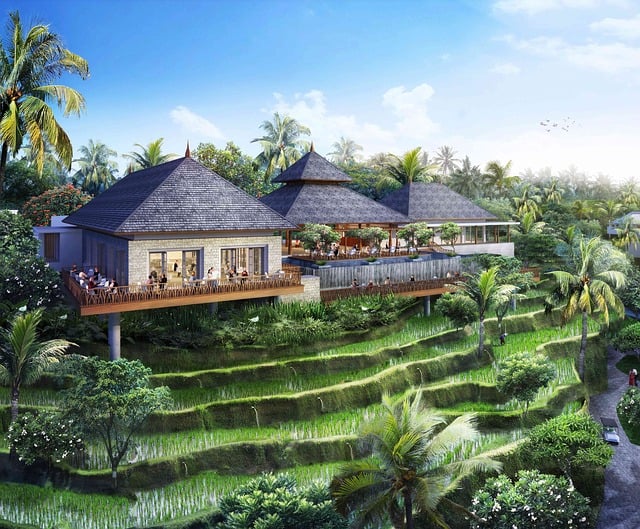
    As one ventures deeper into the hotel, the open-air lobby reveals a breathtaking view of the rice paddies that Ubud is renowned for. This architectural choice is intentional, as it fosters a connection between the indoors and the outdoors, a hallmark of traditional Balinese design. The lobby features high ceilings adorned with bamboo and thatch, allowing for natural ventilation and light to permeate the space. This design not only reflects the local climate but also emphasizes the importance of nature in Balinese culture, where the environment is revered and integrated into daily life.

    Moving beyond the lobby, the hotel’s guest rooms are a testament to the meticulous craftsmanship that defines Balinese architecture. Each room is designed with a unique blend of modern comfort and traditional aesthetics, featuring handcrafted furniture and textiles that showcase local artisanship. The use of vibrant colors and intricate patterns in the decor pays homage to the island’s artistic heritage, while the spacious layouts ensure a serene retreat for guests. Additionally, many rooms offer private balconies that overlook tranquil gardens or rice fields, allowing visitors to experience the beauty of Ubud from the comfort of their own space.

    The hotel also boasts a stunning infinity pool that appears to cascade into the surrounding landscape, further blurring the lines between architecture and nature. This design element is not only visually striking but also serves as a reminder of the Balinese philosophy of harmony with the environment. Guests can relax by the pool while enjoying panoramic views of the verdant hills, creating a serene atmosphere that encourages reflection and relaxation. The pool area is adorned with traditional Balinese sculptures and lush tropical plants, enhancing the overall aesthetic and providing a sense of place that is deeply rooted in local culture.

    Dining at the hotel is another opportunity to engage with Balinese traditions. The on-site restaurant features a menu that highlights local ingredients and traditional recipes, allowing guests to savor the flavors of the region. The architectural design of the dining area complements the overall theme, with open-air seating that invites the gentle breeze and the sounds of nature. This immersive experience is further enriched by the occasional cultural performances, where guests can witness traditional Balinese dance and music, deepening their understanding of the island’s vibrant heritage.

    Finally, the hotel’s spa offers a sanctuary for relaxation, designed with elements that reflect Balinese spirituality. The treatment rooms are adorned with natural materials and calming colors, creating an atmosphere conducive to tranquility. Guests can indulge in traditional Balinese massages and wellness treatments that draw on centuries-old practices, further connecting them to the island’s cultural roots. This holistic approach to wellness not only rejuvenates the body but also nourishes the spirit, embodying the essence of Ubud as a center for healing and cultural exploration.

    Q&A

    What amenities does My Ubud Hotel for Culture offer?

    My Ubud Hotel for Culture offers a range of amenities including a swimming pool, free Wi-Fi, and a restaurant serving local cuisine. Guests can also enjoy cultural activities and workshops organized by the hotel.

    Is there a shuttle service available from the hotel to Ubud center?

    Yes, the hotel provides a complimentary shuttle service to and from Ubud center at scheduled times. This makes it convenient for guests to explore the local area.

    What types of rooms are available at My Ubud Hotel for Culture?

    The hotel offers various room types, including standard rooms, deluxe rooms, and suites. Each room is designed with a blend of modern comfort and traditional Balinese decor.

    Are there any cultural activities organized by the hotel?

    Yes, the hotel organizes various cultural activities such as Balinese cooking classes, traditional dance performances, and art workshops. These activities provide guests with an immersive cultural experience.

    Is breakfast included in the room rate?

    Yes, breakfast is included in the room rate for all guests. A variety of local and international dishes are offered to cater to different tastes.

    My Ubud Hotel for Culture offers a unique blend of traditional Balinese hospitality and modern amenities, making it an ideal destination for travelers seeking an immersive cultural experience. The hotel features beautifully designed accommodations that reflect local artistry, along with easy access to Ubud’s rich cultural attractions, including art galleries, temples, and markets. Guests can participate in various cultural activities, such as cooking classes and traditional dance performances, enhancing their understanding of Balinese heritage. Overall, My Ubud Hotel for Culture serves as a perfect base for exploring the vibrant cultural landscape of Ubud.