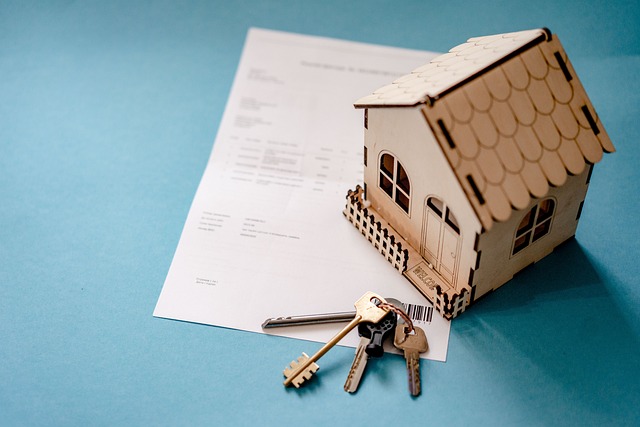
Purchasing your first home is a significant milestone that can be both exciting and daunting. With the right preparation and knowledge, you can navigate the complexities of the real estate market with confidence. This guide will provide you with essential steps to help you understand the home-buying process, from assessing your financial readiness and setting a budget to researching neighborhoods and securing financing. By following these strategies, you can make informed decisions and ultimately find a home that meets your needs and aspirations.
Understanding Your Budget
Understanding your budget is a crucial first step in the home-buying process, as it lays the foundation for making informed decisions. To begin, it is essential to assess your financial situation comprehensively. This involves not only evaluating your income but also considering your existing debts, savings, and any other financial obligations. By calculating your debt-to-income ratio, you can gain insight into how much of your monthly income is already committed to existing loans or credit. This ratio is a key factor that lenders will consider when determining your eligibility for a mortgage, making it imperative to have a clear understanding of your financial landscape.
Once you have a grasp of your current financial standing, the next step is to establish a realistic budget for your home purchase. This budget should encompass not only the purchase price of the home but also additional costs such as property taxes, homeowners insurance, and maintenance expenses. It is advisable to use a mortgage calculator to estimate monthly payments based on different loan amounts and interest rates. This tool can help you visualize how various scenarios will impact your budget, allowing you to make more informed decisions about the price range of homes you can afford.
In addition to understanding your budget, it is also important to consider the potential for future financial changes. For instance, if you anticipate a change in income, such as a promotion or a new job, it may influence your purchasing power. Conversely, if you foresee increased expenses, such as starting a family or pursuing further education, these factors should also be taken into account. By projecting your financial situation into the future, you can create a more sustainable budget that accommodates both your current needs and future aspirations.
Moreover, it is essential to explore various financing options available to you. Different mortgage products come with varying terms, interest rates, and down payment requirements. For example, conventional loans typically require a down payment of 20%, while FHA loans may allow for as little as 3.5%. Understanding these options can help you determine which type of mortgage aligns best with your financial situation and long-term goals. Additionally, consulting with a mortgage broker can provide valuable insights into the best financing solutions tailored to your needs.
As you navigate the complexities of budgeting for your first home, it is also wise to consider the importance of saving for a down payment. Many financial experts recommend aiming for at least 20% of the home’s purchase price to avoid private mortgage insurance (PMI), which can add significant costs to your monthly payments. However, if saving that amount seems daunting, there are various programs and grants available that can assist first-time homebuyers. Researching these options can provide you with additional resources to help you reach your down payment goal more comfortably.
Finally, when you are ready to start viewing properties, consider the location and its impact on your budget. For instance, neighborhoods like Silver Lake in Los Angeles offer a vibrant community atmosphere but may come with a higher price tag. Conversely, areas further from the city center, such as Lancaster, may provide more affordable options while still offering access to essential amenities. Understanding the dynamics of different neighborhoods can help you make a more informed decision about where to invest your money. Ultimately, as you embark on this journey, remember that a well-planned budget is not just about numbers; it is about creating a foundation for your future home and lifestyle.
Q&A
What is the first step in planning for a home purchase?
The first step is to assess your financial situation, including your income, savings, and credit score. This will help you determine your budget and what you can afford.
How much should I save for a down payment?
A common recommendation is to save at least 20% of the home’s purchase price for a down payment. However, some loans allow for lower down payments, so it’s important to explore your options.
What factors should I consider when choosing a location?
Consider factors such as proximity to work, schools, amenities, and safety. Researching the neighborhood’s future development plans can also provide insight into potential property value increases.
How can I find a reliable real estate agent?
Ask for recommendations from friends or family and check online reviews. Interview potential agents to ensure they understand your needs and have experience in your desired area.
What should I expect during the home buying process?
The home buying process typically involves searching for properties, making an offer, negotiating, and completing inspections and financing. Being prepared for each step can help you navigate the process with confidence.
To plan your first home purchase with confidence, start by assessing your financial situation, including savings, credit score, and budget. Research the housing market to understand pricing trends and neighborhoods that fit your lifestyle. Get pre-approved for a mortgage to clarify your budget and strengthen your position as a buyer. Finally, work with a knowledgeable real estate agent to navigate the process and make informed decisions.
In conclusion, a well-structured approach to home buying involves thorough financial preparation, market research, and professional guidance. By taking these steps, first-time buyers can minimize stress and make informed choices, leading to a successful home purchase. Confidence in the process will ultimately enhance the overall experience of becoming a homeowner.