Kategori: Homestay

  • My Luang Prabang Family Experience

    My Luang Prabang Family Experience

    My Luang Prabang Family Experience is a heartfelt journey that captures the essence of family bonding amidst the breathtaking landscapes and rich cultural heritage of Luang Prabang, Laos. This enchanting city, a UNESCO World Heritage Site, offers a unique blend of traditional Lao culture and French colonial architecture, providing the perfect backdrop for unforgettable family memories. From exploring ancient temples and vibrant markets to enjoying the serene beauty of the Mekong River, our experience in Luang Prabang was filled with adventure, discovery, and cherished moments that brought us closer together as a family.

    My Luang Prabang Family Adventure: Exploring the Sacred Temples

    Luang Prabang, a UNESCO World Heritage site nestled in the heart of Laos, is a treasure trove of cultural and historical significance, making it an ideal destination for families seeking both adventure and education. One of the most captivating aspects of this city is its array of sacred temples, each offering a unique glimpse into the rich tapestry of Lao spirituality and architecture. As we embarked on our family adventure, the first temple that beckoned us was Wat Xieng Thong, often regarded as the most important temple in Luang Prabang. Its intricate mosaics and gilded decorations captivated our senses, while the serene atmosphere provided a perfect backdrop for reflection. The temple’s iconic tree of life mural, depicting the interconnectedness of all living beings, sparked meaningful conversations among family members about the values of harmony and respect for nature.

    Continuing our exploration, we made our way to Wat Mai Suwannaphumaham, a temple renowned for its stunning five-tiered roof and elaborate carvings. The temple’s vibrant colors and intricate details were a feast for the eyes, and as we wandered through its hallowed halls, we were struck by the sense of peace that enveloped us. The temple’s history, dating back to the 18th century, added depth to our visit, as we learned about its role in the spiritual life of the community. Engaging with local monks, who graciously shared their insights on Buddhist practices, enriched our understanding of the culture and fostered a sense of connection with the people of Luang Prabang.

    As we ventured further, we arrived at Wat Phu Si, a temple perched atop a hill that offers breathtaking panoramic views of the city and the Mekong River. The climb to the summit, though steep, was invigorating and provided an opportunity for family bonding as we encouraged one another along the way. Upon reaching the top, the sight of the sun setting over the horizon was nothing short of magical, illuminating the landscape in hues of orange and pink. This moment became a cherished memory, reminding us of the beauty of shared experiences and the importance of appreciating the world around us.

    Our journey through Luang Prabang’s sacred temples also led us to the lesser-known Wat Visoun, which boasts a unique architectural style that reflects the fusion of traditional Lao and colonial influences. The temple’s distinctive stupa, shaped like a watermelon, piqued our curiosity and prompted discussions about the symbolism behind its design. As we explored the temple grounds, we encountered local artisans crafting intricate handicrafts, providing us with an opportunity to support the community while learning about traditional Lao craftsmanship. This interaction not only enriched our experience but also highlighted the importance of preserving cultural heritage.

    Finally, our adventure culminated at the enchanting Villa Maly, a boutique hotel that perfectly encapsulates the charm of Luang Prabang. Nestled amidst lush gardens, this former royal residence offers a tranquil retreat after a day of exploration. The hotel’s elegant design, inspired by traditional Lao architecture, creates a harmonious atmosphere that invites relaxation. As we gathered for dinner at the hotel’s restaurant, the aroma of authentic Lao cuisine filled the air, tantalizing our taste buds and providing a fitting end to our day. The attentive staff, eager to share stories about the local culture, made us feel at home, ensuring that our family adventure in Luang Prabang was not only memorable but also deeply enriching.

    Q&A

    What is My Luang Prabang Family Experience?

    My Luang Prabang Family Experience is a cultural and immersive tour designed for families visiting Luang Prabang, Laos. It offers activities that engage both children and adults, focusing on local traditions, cuisine, and community interactions.

    What activities are included in the experience?

    The experience includes a variety of activities such as cooking classes, traditional crafts, and guided tours of local markets and temples. Families can also participate in cultural performances and community service projects.

    Is the experience suitable for young children?

    Yes, the experience is designed to be family-friendly and suitable for children of all ages. Activities are tailored to be engaging and educational, ensuring that younger participants can enjoy and learn.

    How long does the experience typically last?

    The duration of My Luang Prabang Family Experience can vary, but most tours last between half a day to a full day. This allows families to fully immerse themselves in the local culture without feeling rushed.

    What should we bring for the experience?

    Participants are advised to wear comfortable clothing and shoes suitable for walking. Additionally, bringing a camera, sunscreen, and a reusable water bottle is recommended to enhance the experience.

    My Luang Prabang Family Experience was a memorable journey filled with cultural exploration and bonding moments. We immersed ourselves in the rich traditions of Laos, from visiting ancient temples to participating in local festivals. The stunning natural landscapes and warm hospitality of the locals enhanced our adventure, creating lasting memories. Overall, it was a perfect blend of education, fun, and family connection.


  • Staying Where Local Mornings Begin

    Staying Where Local Mornings Begin

    “Staying Where Local Mornings Begin” invites travelers to immerse themselves in the authentic charm of a destination by choosing accommodations that reflect the local culture and lifestyle. This concept emphasizes the importance of experiencing mornings like a local, from savoring freshly brewed coffee at neighborhood cafés to enjoying traditional breakfasts at family-owned diners. By staying in places that prioritize local connections, visitors can start their days with a genuine taste of the community, fostering a deeper appreciation for the unique rhythms and flavors of their surroundings.

    Embracing Local Breakfast Traditions: A Culinary Journey

    Staying where local mornings begin offers a unique opportunity to immerse oneself in the culinary traditions that define a region. In many cultures, breakfast is not merely a meal; it is a ritual that reflects the history, geography, and social fabric of a community. For instance, in the heart of Mexico City, the vibrant neighborhood of Roma Norte is home to numerous cafes that serve traditional breakfast dishes such as chilaquiles and huevos rancheros. These dishes, often accompanied by freshly made tortillas and a side of refried beans, provide a hearty start to the day. Visitors can savor the rich flavors while enjoying the lively atmosphere of the local markets, where vendors sell fresh produce and artisanal goods, further enhancing the morning experience.

    Traveling to the Mediterranean, one finds that breakfast in Greece is often a simple yet delightful affair. In the coastal town of Nafplio, local tavernas offer a selection of Greek yogurt drizzled with honey and sprinkled with nuts, alongside freshly baked bread and olives. This combination not only nourishes the body but also connects diners to the agricultural practices of the region, where local farmers cultivate olives and honey. The picturesque views of the Acronauplia fortress and the azure waters of the Argolic Gulf provide a stunning backdrop, making breakfast a feast for both the palate and the eyes. Staying in a nearby boutique hotel allows guests to enjoy these local flavors while being enveloped in the charm of traditional Greek architecture.

    In contrast, the bustling streets of Tokyo present a different breakfast landscape, where the morning meal often includes rice, miso soup, and grilled fish. At a ryokan, or traditional inn, guests can partake in a kaiseki-style breakfast that showcases seasonal ingredients and meticulous presentation. The experience is not just about the food; it is also about the art of dining, where each dish is thoughtfully prepared to reflect the changing seasons. The serene ambiance of the ryokan, with its tatami mats and sliding shoji doors, enhances the tranquility of the morning, allowing guests to appreciate the beauty of Japanese culture while savoring their meal.

    Venturing to the southern United States, one encounters the rich culinary heritage of New Orleans, where breakfast is often a celebration of flavors. The iconic beignets at Café du Monde are a must-try, dusted with powdered sugar and served alongside a café au lait. This delightful pastry, rooted in French tradition, has become synonymous with the city’s breakfast scene. Staying at a historic hotel in the French Quarter allows visitors to indulge in this local delicacy while soaking in the vibrant atmosphere of jazz music and street performers. The experience is further enriched by the opportunity to explore nearby markets, where fresh ingredients and local specialties abound.

    In the heart of Italy, the morning ritual often revolves around a simple yet exquisite breakfast of cornetti and cappuccino. In Florence, local bakeries offer these flaky pastries filled with cream or jam, providing a sweet start to the day. The aroma of freshly brewed coffee wafts through the air, inviting visitors to sit and enjoy their breakfast while watching the world go by. Staying in a charming hotel near the historic center allows guests to easily access these local bakeries, making it convenient to embrace the Italian way of life. The combination of delectable food and the stunning architecture of Florence creates an unforgettable morning experience that lingers long after the meal is over.

    Q&A

    What is “Staying Where Local Mornings Begin”?

    “Staying Where Local Mornings Begin” refers to accommodations that emphasize local culture and experiences, often providing a unique and authentic stay. These places typically offer insights into local traditions, cuisine, and community life.

    What types of accommodations are included in this concept?

    This concept can include boutique hotels, bed and breakfasts, guesthouses, and vacation rentals that prioritize local charm and hospitality. Each option aims to immerse guests in the local environment and lifestyle.

    How can I find these types of accommodations?

    You can find these accommodations through travel websites, local tourism boards, or by searching for specific terms like “local stays” or “authentic experiences.” Reading reviews and checking for local partnerships can also help identify suitable options.

    What are the benefits of staying in local accommodations?

    Staying in local accommodations often provides a more personalized experience, allowing guests to connect with the community and learn about local customs. Additionally, it can support local economies and promote sustainable tourism practices.

    Are there any specific locations known for “Staying Where Local Mornings Begin”?

    Many cities and regions around the world are known for this concept, including quaint towns, cultural hubs, and rural areas. Popular destinations often include places with rich histories, vibrant arts scenes, and unique culinary offerings.

    “Staying Where Local Mornings Begin” emphasizes the importance of immersing oneself in the local culture and community when traveling. By choosing accommodations that reflect the essence of the area, travelers can experience authentic morning rituals, local cuisine, and the vibrant atmosphere of the destination. This approach not only enriches the travel experience but also fosters a deeper connection with the place and its people. Ultimately, it encourages a more meaningful and memorable journey.

  • Staying Beside Nong Khiaw Villages

    Staying Beside Nong Khiaw Villages

    Staying beside Nong Khiaw villages offers a unique opportunity to immerse oneself in the rich culture and stunning natural beauty of northern Laos. Nestled along the banks of the Nam Ou River and surrounded by dramatic limestone mountains, these villages provide a glimpse into traditional Laotian life. Visitors can engage with local communities, explore picturesque landscapes, and partake in activities such as trekking, kayaking, and visiting nearby caves and waterfalls. The serene environment and warm hospitality of the villagers create an unforgettable experience for those seeking adventure and cultural enrichment in this tranquil region.

    Cultural Immersion in Nong Khiaw Villages

    Nestled in the breathtaking landscape of northern Laos, the villages surrounding Nong Khiaw offer a unique opportunity for cultural immersion that captivates travelers seeking authentic experiences. The region is characterized by its stunning limestone mountains, lush greenery, and the serene Nam Ou River, which serves as a lifeline for the local communities. As visitors explore the area, they are often greeted by the warm hospitality of the villagers, who are eager to share their traditions and way of life. This interaction provides a profound insight into the daily routines and cultural practices that define the local identity.

    One of the most striking aspects of the villages near Nong Khiaw is the traditional weaving techniques employed by the local women. In many households, weaving is not merely a craft but a vital part of the community’s economy and cultural heritage. Visitors can witness the intricate process of creating beautiful textiles, often adorned with vibrant colors and patterns that reflect the natural surroundings. Engaging with the weavers allows travelers to appreciate the skill and dedication that goes into each piece, while also fostering a deeper understanding of the significance of these textiles in local ceremonies and daily life.

    In addition to weaving, the villages are known for their rich culinary traditions, which are deeply rooted in the region’s agricultural practices. The local cuisine is characterized by fresh ingredients sourced from the surrounding fields and forests, with rice being a staple food. Travelers can participate in cooking classes offered by local families, where they learn to prepare traditional dishes such as laap, a flavorful minced meat salad, and sticky rice, which is often served during communal meals. This hands-on experience not only enhances culinary skills but also strengthens the bond between visitors and their hosts, as they share stories and laughter over the preparation of meals.

    Moreover, the spiritual life of the villages is an integral part of the cultural experience. Temples and monasteries dot the landscape, serving as centers of community life and spiritual reflection. Visitors are encouraged to participate in almsgiving ceremonies, where they can witness the daily ritual of monks collecting food offerings from the villagers. This practice not only highlights the importance of Buddhism in the local culture but also fosters a sense of connection between the visitors and the community. Observing these rituals provides a unique perspective on the values and beliefs that shape the lives of the villagers.

    As travelers venture further into the surrounding countryside, they may encounter the stunning natural beauty that defines the region. Hiking trails lead to breathtaking viewpoints, where one can appreciate the panoramic vistas of the mountains and valleys. Along these trails, small villages can be found, each with its own distinct character and charm. Engaging with the locals in these remote areas offers a glimpse into a lifestyle that remains largely unchanged by modern influences, allowing for a deeper appreciation of the simplicity and resilience of rural life.

    For those seeking a comfortable yet culturally immersive stay, the Riverside Boutique Resort in Nong Khiaw provides an ideal base. This hotel, situated along the banks of the Nam Ou River, offers stunning views of the surrounding landscape while maintaining a commitment to local culture. Guests can enjoy traditional Lao cuisine at the on-site restaurant, participate in organized village tours, and even take part in workshops that showcase local crafts. The Riverside Boutique Resort not only serves as a sanctuary for relaxation but also as a gateway to the rich cultural tapestry of the Nong Khiaw villages, ensuring that every visitor leaves with lasting memories of their time spent in this enchanting region.

    Q&A

    What are the accommodation options in Nong Khiaw villages?

    Nong Khiaw offers a variety of accommodation options, including guesthouses, bungalows, and homestays. Many places provide stunning views of the surrounding mountains and river.

    What activities can I do while staying in Nong Khiaw?

    Visitors can enjoy activities such as trekking, kayaking, and exploring local caves. Cultural experiences, like visiting nearby villages and learning about traditional crafts, are also popular.

    Is it easy to get to Nong Khiaw from Luang Prabang?

    Yes, Nong Khiaw is accessible from Luang Prabang by bus or minivan, with the journey taking approximately 3-4 hours. The scenic route offers beautiful views of the Laotian countryside.

    What is the best time to visit Nong Khiaw?

    The best time to visit is during the dry season, from November to April, when the weather is cooler and more pleasant for outdoor activities. The rainy season can make travel more challenging.

    Are there dining options available in Nong Khiaw?

    Yes, there are several restaurants and cafes in Nong Khiaw offering a range of local and international cuisine. Many places focus on fresh ingredients and traditional Lao dishes.

    Staying beside Nong Khiaw villages offers a unique opportunity to immerse oneself in the rich culture and stunning natural beauty of northern Laos. Visitors can experience traditional village life, engage with local communities, and explore breathtaking landscapes, including limestone mountains and the Nam Ou River. This experience fosters a deeper understanding of the region’s heritage and promotes sustainable tourism. Overall, it is a memorable way to connect with both nature and local traditions.

  • Staying With Locals Around Manila

    Staying With Locals Around Manila

    Staying with locals around Manila offers a unique opportunity to immerse oneself in the vibrant culture and daily life of the Philippines’ bustling capital. This experience allows travelers to connect with residents, gain insider knowledge about the city’s hidden gems, and enjoy authentic Filipino hospitality. From traditional homes to modern apartments, local accommodations provide a diverse range of options that reflect the rich heritage and contemporary lifestyle of Manila. Engaging with locals not only enhances the travel experience but also fosters meaningful connections and a deeper understanding of the local customs, cuisine, and community spirit.

    Cultural Immersion: Experiencing Local Life in Manila

    Staying with locals around Manila offers a unique opportunity to immerse oneself in the vibrant culture and daily life of the city. One of the most enriching experiences can be found in the bustling district of Quiapo, known for its rich history and diverse community. Here, visitors can explore the famous Quiapo Church, a significant religious site that attracts thousands of devotees each day. The surrounding streets are filled with vendors selling everything from traditional Filipino snacks to intricate handicrafts, providing a sensory overload that captures the essence of local life. Engaging with the vendors not only enhances the experience but also fosters connections that deepen one’s understanding of Filipino culture.

    Transitioning from Quiapo, one might find themselves in the lively neighborhood of Malate, where the fusion of old and new is palpable. This area is home to a variety of guesthouses and homestays that offer a more intimate lodging experience. Staying in Malate allows visitors to witness the daily routines of locals, from morning joggers along the baywalk to families enjoying meals at nearby eateries. The vibrant nightlife in Malate also provides an opportunity to interact with residents, as bars and restaurants often host live music and cultural performances. Such interactions can lead to meaningful conversations about Filipino traditions, music, and art, enriching the travel experience.

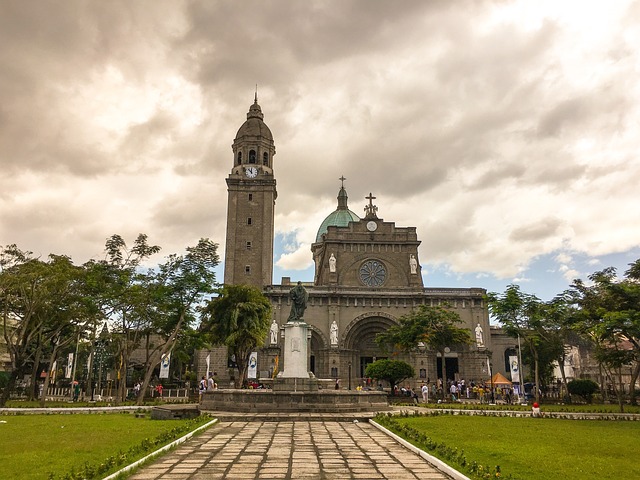
    As one continues to explore Manila, the district of Intramuros stands out as a historical gem. This walled city, which dates back to the Spanish colonial period, is not only a UNESCO World Heritage site but also a living testament to the Philippines’ colonial past. Staying in a local bed and breakfast within Intramuros allows guests to step back in time while enjoying modern comforts. Visitors can stroll along cobblestone streets, visit the San Agustin Church, and engage with local historians who often share captivating stories about the area’s significance. The ambiance of Intramuros, with its preserved architecture and lush gardens, provides a serene contrast to the bustling city outside its walls.

    Further enriching the cultural immersion experience is the opportunity to stay in the vibrant neighborhood of Poblacion, known for its eclectic mix of cultures and cuisines. This area has transformed into a trendy hotspot, attracting both locals and tourists alike. By choosing to stay in a local guesthouse, visitors can enjoy the warmth of Filipino hospitality while indulging in the diverse culinary offerings that Poblacion has to offer. From traditional street food to contemporary fusion dishes, the local eateries provide a taste of the Philippines that is both authentic and innovative. Engaging with the chefs and restaurant owners can lead to delightful exchanges about culinary traditions and the evolution of Filipino cuisine.

    Finally, a stay at The Henry Hotel in Pasay City exemplifies the blend of local charm and modern luxury. This boutique hotel, housed in a beautifully restored building, reflects the artistic spirit of Manila while providing guests with a comfortable retreat. The hotel’s design incorporates local art and craftsmanship, creating an atmosphere that celebrates Filipino culture. Guests can enjoy personalized service and participate in various cultural activities organized by the hotel, such as cooking classes or guided tours of nearby attractions. This unique combination of comfort and cultural engagement makes The Henry Hotel an ideal choice for those seeking to experience the heart of Manila while enjoying the comforts of home.

    Q&A

    What are the benefits of staying with locals in Manila?

    Staying with locals in Manila offers a unique cultural experience, allowing you to immerse yourself in the local lifestyle. You can gain insider tips on attractions, food, and hidden gems that tourists often miss.

    How can I find local hosts in Manila?

    You can find local hosts through platforms like Airbnb, Couchsurfing, or local guesthouses. These platforms often provide reviews and ratings to help you choose a reliable host.

    Is it safe to stay with locals in Manila?

    Generally, staying with locals in Manila is safe, especially if you choose well-reviewed hosts. However, it’s always wise to take standard safety precautions, such as informing someone of your whereabouts and trusting your instincts.

    What should I expect in terms of amenities when staying with locals?

    Amenities can vary widely depending on the host and accommodation type. Some may offer private rooms with en-suite bathrooms, while others might provide shared facilities, so it’s important to check the listing details before booking.

    Can I communicate easily with my local host in Manila?

    Most local hosts in Manila speak English, especially in urban areas, making communication relatively easy. However, learning a few basic Filipino phrases can enhance your experience and show appreciation for the local culture.

    Staying with locals around Manila offers a unique opportunity to immerse oneself in the vibrant culture and daily life of the city. It allows travelers to experience authentic Filipino hospitality, local cuisine, and hidden gems that are often overlooked by tourists. Engaging with residents can lead to meaningful connections and a deeper understanding of the local customs and traditions. Overall, this experience enriches one’s visit and creates lasting memories.

  • Staying With Locals in Da Lat

    Staying With Locals in Da Lat

    Staying with locals in Da Lat offers a unique opportunity to immerse yourself in the rich culture and stunning natural beauty of this charming Vietnamese city. Nestled in the Central Highlands, Da Lat is renowned for its temperate climate, vibrant flower gardens, and picturesque landscapes. By choosing to stay with local hosts, visitors can experience authentic Vietnamese hospitality, enjoy home-cooked meals, and gain insights into the daily lives and traditions of the local community. This approach not only enhances the travel experience but also fosters meaningful connections and supports sustainable tourism practices. Whether it’s in a cozy homestay or a traditional guesthouse, staying with locals in Da Lat promises an unforgettable adventure filled with warmth and cultural exchange.

    Authentic Cultural Experiences in Da Lat Through Local Homestays

    Da Lat, a charming city nestled in the Central Highlands of Vietnam, offers a unique blend of natural beauty and rich cultural heritage. One of the most enriching ways to experience this enchanting destination is through local homestays, which provide visitors with an authentic glimpse into the daily lives of the residents. These homestays not only offer comfortable accommodations but also serve as gateways to understanding the local customs, traditions, and culinary delights that define Da Lat.

    One notable homestay is the Dalat Family Homestay, where guests are welcomed into a warm and inviting atmosphere. The hosts, a local family, take pride in sharing their home and culture with visitors. Guests can participate in traditional cooking classes, where they learn to prepare local dishes such as “bánh căn” and “bánh mì.” This hands-on experience not only enhances culinary skills but also fosters a deeper appreciation for the ingredients and techniques that are integral to Vietnamese cuisine. Moreover, the family often shares stories about their life in Da Lat, providing insights into the region’s history and the significance of various cultural practices.

    Transitioning from the kitchen to the lush landscapes surrounding Da Lat, another homestay that stands out is the Green Hills Homestay. Set amidst rolling hills and vibrant flower gardens, this location offers a serene escape from the hustle and bustle of city life. Guests can engage in activities such as hiking and cycling, exploring the breathtaking scenery that Da Lat is renowned for. The hosts are knowledgeable about the local flora and fauna, often guiding guests on nature walks where they can learn about the diverse ecosystems that thrive in the area. This connection to nature not only enriches the travel experience but also highlights the importance of environmental conservation in the region.

    In addition to the natural beauty, Da Lat is famous for its coffee plantations, and staying at the Coffee Valley Homestay allows visitors to immerse themselves in this integral aspect of local culture. Here, guests can participate in coffee harvesting and processing, gaining firsthand experience of the labor-intensive journey from bean to cup. The hosts are passionate about their craft and often share their expertise on the different coffee varieties grown in the region. This experience is complemented by tastings of freshly brewed coffee, allowing guests to savor the rich flavors that Da Lat’s unique climate imparts to its coffee.

    Furthermore, the cultural experiences extend beyond the homestays themselves. Many local families invite guests to join in traditional festivals and celebrations, providing an opportunity to witness the vibrant customs that characterize Da Lat. For instance, during the Lunar New Year, families often prepare special meals and engage in various rituals that reflect their cultural heritage. Participating in these festivities not only fosters a sense of community but also allows visitors to forge meaningful connections with their hosts.

    Among the various options available, the Lotus Homestay is particularly noteworthy for its commitment to sustainable tourism. Located near the picturesque Xuan Huong Lake, this homestay emphasizes eco-friendly practices while providing guests with a comfortable and culturally immersive experience. The hosts are dedicated to promoting local artisans and often organize workshops where guests can learn traditional crafts such as weaving and pottery. This not only supports the local economy but also ensures that the rich cultural heritage of Da Lat is preserved for future generations. By choosing to stay at such homestays, travelers contribute to a more sustainable and authentic tourism model, enriching their own experiences while supporting the local community.

    Q&A

    What are the benefits of staying with locals in Da Lat?

    Staying with locals in Da Lat offers an authentic experience, allowing you to immerse yourself in the culture and lifestyle of the area. You can enjoy personalized recommendations and insights that enhance your visit.

    How can I find local accommodations in Da Lat?

    You can find local accommodations through platforms like Airbnb, Couchsurfing, or by searching for guesthouses and homestays in travel forums. Additionally, asking locals for recommendations can lead to unique options.

    What should I expect in terms of amenities when staying with locals?

    Amenities can vary widely, but many local accommodations offer basic comforts such as Wi-Fi, breakfast, and shared bathrooms. It’s best to check the listing details or ask the host directly for specific amenities.

    Is it safe to stay with locals in Da Lat?

    Generally, staying with locals in Da Lat is safe, especially if you choose well-reviewed accommodations. Always read reviews and communicate with your host beforehand to ensure a comfortable experience.

    Can I interact with my hosts during my stay?

    Yes, interacting with your hosts is often encouraged, as they can provide valuable insights and recommendations about the area. Many hosts enjoy sharing their culture and may even invite you to join them for meals or local activities.

    Staying with locals in Da Lat offers a unique opportunity to immerse oneself in the rich culture and traditions of the region. Visitors can enjoy authentic experiences, such as home-cooked meals and personalized tours, while gaining insights into daily life in this charming city. This type of accommodation fosters meaningful connections and enhances the overall travel experience. Ultimately, it allows travelers to appreciate Da Lat beyond its tourist attractions, creating lasting memories.

  • Staying Local During Longer Journeys

    Staying Local During Longer Journeys

    Staying local during longer journeys is an increasingly popular approach for travelers seeking to explore their surroundings without venturing too far from home. This practice emphasizes the benefits of discovering nearby attractions, supporting local businesses, and minimizing the environmental impact associated with long-distance travel. By focusing on local experiences, travelers can enjoy a deeper connection to their community, uncover hidden gems, and create meaningful memories while also promoting sustainability and economic resilience in their region. Whether it’s a weekend getaway or an extended road trip, staying local allows for a rich exploration of familiar landscapes and cultures.

    Benefits Of Supporting Local Businesses While Traveling

    When embarking on longer journeys, travelers often find themselves at a crossroads between familiar comforts and the allure of local experiences. Supporting local businesses during these travels not only enriches the journey but also fosters a deeper connection with the destination. For instance, dining at a family-owned restaurant in a quaint town can provide a more authentic taste of regional cuisine than a chain establishment. These local eateries often serve dishes made from recipes passed down through generations, allowing visitors to savor the true flavors of the area while also contributing to the local economy.

    Moreover, shopping at local markets can be an enlightening experience. In places like the bustling markets of Marrakech, travelers can immerse themselves in the vibrant culture while purchasing handmade crafts and artisanal goods. These markets not only showcase the creativity and skill of local artisans but also offer unique souvenirs that reflect the character of the region. By choosing to buy from local vendors, travelers help sustain traditional crafts and support the livelihoods of those who create them, ensuring that these cultural practices continue to thrive.

    In addition to food and shopping, local accommodations provide another avenue for supporting the community. Staying at a locally owned hotel or bed-and-breakfast often results in a more personalized experience. For example, the charming Casa de la Flora in Thailand offers guests a chance to enjoy stunning views of the Andaman Sea while being immersed in the local culture. The owners, who are deeply connected to the area, can provide insights and recommendations that larger, corporate hotels may overlook. This intimate knowledge enhances the travel experience, allowing guests to discover hidden gems that are off the typical tourist path.

    Furthermore, engaging with local tour operators can significantly enhance one’s understanding of a destination. In Costa Rica, for instance, eco-tourism has flourished, with many local guides offering tours that highlight the country’s rich biodiversity. By choosing to explore with these guides, travelers not only gain valuable insights into the local ecosystem but also contribute to conservation efforts and sustainable practices. This symbiotic relationship between tourists and local guides fosters a sense of responsibility and awareness regarding environmental preservation.

    Additionally, participating in community events or workshops can provide travelers with a unique perspective on local life. In cities like Kyoto, visitors can join traditional tea ceremonies or pottery classes led by local artisans. These experiences not only allow travelers to learn about cultural practices but also create opportunities for meaningful interactions with residents. Such engagements can lead to lasting memories and a greater appreciation for the destination’s heritage.

    As travelers navigate their journeys, the choice to support local businesses becomes increasingly significant. For instance, the historic Hotel Monteleone in New Orleans stands as a testament to the city’s rich cultural tapestry. This family-owned hotel has been a staple in the French Quarter since 1886, offering guests a blend of Southern hospitality and modern amenities. By choosing to stay at such establishments, travelers contribute to the preservation of local history and culture while enjoying a unique and memorable experience. The hotel’s commitment to maintaining its heritage while embracing contemporary comforts exemplifies the benefits of supporting local businesses, ultimately enriching the travel experience for all who pass through its doors.

    Q&A

    What does it mean to stay local during longer journeys?

    Staying local during longer journeys refers to the practice of exploring nearby attractions, restaurants, and activities instead of traveling far from your starting point. This approach allows travelers to enjoy their surroundings while minimizing travel time and expenses.

    How can I find local attractions while on a longer journey?

    You can find local attractions by using travel apps, websites, or social media platforms that highlight nearby points of interest. Additionally, asking locals for recommendations can lead to discovering hidden gems that are not widely advertised.

    What are the benefits of staying local during a long trip?

    Staying local can reduce travel fatigue, save money on transportation, and provide a more immersive experience in the local culture. It also allows for a more relaxed pace, giving you time to truly appreciate your surroundings.

    How can I plan meals while staying local on a longer journey?

    Research local restaurants and cafes in advance to find dining options that suit your taste and budget. Consider trying regional specialties to enhance your culinary experience and support local businesses.

    What should I pack for a journey focused on local exploration?

    Pack comfortable clothing and footwear suitable for walking or biking, as well as a reusable water bottle and snacks for convenience. A local map or guidebook can also be helpful for navigating and discovering new areas.

    Staying local during longer journeys can enhance the travel experience by allowing for deeper connections with the surrounding environment and culture. It encourages exploration of hidden gems and local attractions that may be overlooked in favor of more popular destinations. Additionally, it supports local economies and fosters sustainable tourism practices. Ultimately, embracing local experiences can lead to more meaningful and memorable adventures.

  • My Thai Home Stay Near Ayutthaya

    My Thai Home Stay Near Ayutthaya

    My Thai Home Stay Near Ayutthaya offers a unique and immersive experience for travelers seeking to explore the rich cultural heritage of Thailand. Nestled in a serene environment, this charming accommodation provides guests with a comfortable and authentic stay, featuring traditional Thai architecture and warm hospitality. Located just a short distance from the historic city of Ayutthaya, a UNESCO World Heritage Site, visitors can easily access ancient temples, vibrant markets, and local attractions. With personalized service and a tranquil atmosphere, My Thai Home Stay is the perfect retreat for those looking to connect with the local culture and enjoy the beauty of Thailand.

    Exploring Local Cuisine at My Thai Home Stay Near Ayutthaya

    Nestled in the heart of Thailand, near the ancient city of Ayutthaya, My Thai Home Stay offers an immersive experience that extends beyond its comfortable accommodations. One of the most captivating aspects of this homestay is its commitment to showcasing the rich tapestry of local cuisine. Guests are not merely provided with meals; they are invited to partake in a culinary journey that reflects the region’s history and culture. The homestay’s kitchen serves as a vibrant hub where traditional recipes are passed down through generations, allowing visitors to engage with the local culinary heritage.

    As guests arrive, they are often greeted with a refreshing welcome drink made from fresh coconut water, a staple in Thai households. This simple yet invigorating beverage sets the tone for the culinary experiences that await. The homestay prides itself on using locally sourced ingredients, which not only supports the community but also ensures that every dish bursts with flavor. For instance, the morning might begin with a traditional Thai breakfast featuring khao tom, a fragrant rice soup often accompanied by fresh herbs and spices. This dish exemplifies the balance of flavors that Thai cuisine is renowned for, combining savory and aromatic elements that awaken the palate.

    Moreover, the homestay offers cooking classes that allow guests to delve deeper into the art of Thai cooking. Under the guidance of skilled local chefs, participants learn to prepare iconic dishes such as pad thai and green curry. The experience is enriched by visits to nearby markets, where guests can select fresh produce and spices, gaining insight into the importance of quality ingredients in Thai cooking. This hands-on approach not only enhances culinary skills but also fosters a deeper appreciation for the cultural significance of each dish.

    In addition to cooking classes, My Thai Home Stay organizes communal dinners that bring together guests and local families. These gatherings are a celebration of community and culture, where traditional dishes are served family-style, encouraging conversation and connection. One highlight of these dinners is the som tam, a spicy green papaya salad that exemplifies the bold flavors of Thai cuisine. The dish is prepared right before the guests’ eyes, showcasing the meticulous process of balancing sweet, sour, salty, and spicy elements that define Thai food.

    As the sun sets, the homestay transforms into a cozy dining space illuminated by soft lanterns, creating an inviting atmosphere for guests to savor their meals. The evening menu often features gaeng phed, a rich red curry that is both comforting and complex. This dish, made with tender meat and a medley of vegetables, is a testament to the homestay’s dedication to preserving traditional recipes while allowing for personal touches that reflect the chef’s creativity.

    Furthermore, the homestay encourages guests to explore the surrounding area, where local street food vendors offer an array of tantalizing options. From grilled skewers to sweet mango sticky rice, the vibrant street food scene complements the culinary experiences at the homestay. This exploration not only enhances the overall experience but also allows guests to engage with the local culture in a meaningful way.

    Ultimately, My Thai Home Stay near Ayutthaya stands out not only for its warm hospitality but also for its dedication to sharing the rich culinary traditions of Thailand. Each meal, whether enjoyed in the homestay or at a local vendor, tells a story of the land and its people, making every bite a memorable part of the journey.

    Q&A

    What amenities are available at My Thai Home Stay Near Ayutthaya?

    My Thai Home Stay offers comfortable accommodations with free Wi-Fi, air conditioning, and a shared kitchen. Guests can also enjoy a garden and outdoor seating areas for relaxation.

    How far is My Thai Home Stay from the historical sites in Ayutthaya?

    The home stay is located approximately 10 kilometers from the main historical sites of Ayutthaya. It takes about 15-20 minutes by car to reach popular attractions like Wat Phra Si Sanphet and Wat Mahathat.

    Is breakfast included in the stay at My Thai Home Stay?

    Yes, a complimentary breakfast is provided for guests. The breakfast typically includes a selection of local Thai dishes and beverages.

    Are there any transportation options available from My Thai Home Stay?

    Guests can arrange for bicycle rentals or local tuk-tuk services through the home stay. Additionally, the staff can assist with organizing transportation to and from Ayutthaya’s main attractions.

    What is the check-in and check-out policy at My Thai Home Stay?

    Check-in is typically from 2 PM, while check-out is required by 11 AM. Early check-in or late check-out may be arranged upon request, subject to availability.

    My Thai Home Stay Near Ayutthaya offers a unique and authentic experience for travelers seeking to explore the rich cultural heritage of Thailand. The accommodation provides comfortable lodging with a warm, welcoming atmosphere, allowing guests to immerse themselves in local traditions. Its proximity to historical sites makes it an ideal base for sightseeing. Overall, it combines comfort with cultural immersion, making it a memorable choice for visitors to the Ayutthaya region.

  • My Riverside Home Experience in Kampot

    My Riverside Home Experience in Kampot

    My Riverside Home Experience in Kampot offers a unique blend of tranquility and cultural immersion, set against the stunning backdrop of the Kampot River. Nestled in a picturesque location, this experience allows guests to unwind in comfortable accommodations while enjoying breathtaking views of the surrounding landscape. With a focus on local hospitality, visitors can engage with the vibrant community, explore nearby attractions, and savor authentic Cambodian cuisine. Whether it’s a leisurely stroll along the riverbank or an adventurous excursion to the nearby Bokor National Park, My Riverside Home Experience promises a memorable stay that captures the essence of Kampot’s charm and beauty.

    My Riverside Home Experience in Kampot: A Serene Escape

    Nestled along the banks of the Kampot River, My Riverside Home offers a tranquil retreat that captures the essence of Cambodia’s natural beauty. This charming accommodation is not merely a place to stay; it is an experience that immerses guests in the serene surroundings of lush greenery and gentle river currents. The hotel’s design harmonizes with its environment, featuring traditional Khmer architecture that complements the picturesque landscape. As one approaches the property, the soothing sounds of the river create an inviting atmosphere, setting the stage for a peaceful getaway.

    Upon entering My Riverside Home, guests are greeted by warm hospitality that reflects the local culture. The staff, well-versed in the art of service, ensures that every need is met with a smile. Each room is thoughtfully designed, offering stunning views of the river and the surrounding hills. The interiors are adorned with local artwork and handcrafted furnishings, which not only enhance the aesthetic appeal but also provide a sense of authenticity. The spacious balconies invite guests to unwind while sipping a cup of locally sourced coffee, allowing them to fully appreciate the breathtaking scenery.

    The hotel’s location is particularly advantageous for those looking to explore the rich history and vibrant culture of Kampot. Just a short distance away lies the iconic Bokor National Park, where visitors can embark on hiking trails that lead to stunning vistas and hidden waterfalls. The park is home to diverse wildlife and unique flora, making it a haven for nature enthusiasts. Additionally, the nearby salt fields offer a glimpse into the traditional methods of salt production, providing an educational experience that complements the natural beauty of the region.

    Dining at My Riverside Home is another highlight of the stay. The on-site restaurant serves a delectable array of Cambodian cuisine, prepared with fresh, locally sourced ingredients. Guests can indulge in traditional dishes such as Amok fish and Khmer curry, all while enjoying panoramic views of the river. The culinary experience is further enhanced by the option to participate in cooking classes, where guests can learn the secrets of Cambodian cooking from skilled chefs. This interactive experience not only enriches one’s understanding of the local culture but also creates lasting memories.

    For those seeking relaxation, the hotel features a serene swimming pool that overlooks the river, providing a perfect spot to unwind after a day of exploration. The pool area is surrounded by lush gardens, creating a peaceful oasis where guests can bask in the sun or enjoy a good book. Additionally, wellness services such as massages and spa treatments are available, allowing visitors to rejuvenate their bodies and minds in a tranquil setting. The combination of natural beauty and thoughtful amenities makes My Riverside Home an ideal sanctuary for travelers.

    As the sun sets over the Kampot River, the ambiance at My Riverside Home transforms into a magical experience. The soft glow of lanterns illuminates the outdoor dining area, creating a romantic atmosphere for evening meals. Guests can savor their dinner while watching the sky change colors, reflecting on the water’s surface. This enchanting setting not only enhances the dining experience but also fosters a sense of connection to the natural world. The harmonious blend of comfort, culture, and nature at My Riverside Home ensures that every moment spent here is truly unforgettable.

    Q&A

    What types of accommodations are available at My Riverside Home Experience?

    My Riverside Home Experience offers a variety of accommodations, including private rooms and shared dormitories. Each option is designed to provide comfort and a welcoming atmosphere for all guests.

    Is there a restaurant or dining option on-site?

    Yes, there is an on-site restaurant that serves a selection of local and international dishes. Guests can enjoy meals while overlooking the beautiful riverside views.

    What activities can guests participate in during their stay?

    Guests can engage in various activities such as kayaking, cycling, and exploring local markets. The property also offers guided tours to nearby attractions for a more immersive experience.

    Is Wi-Fi available at My Riverside Home Experience?

    Yes, complimentary Wi-Fi is available throughout the property. Guests can stay connected during their stay without any additional charges.

    What is the check-in and check-out policy?

    Check-in is typically from 2 PM, and check-out is by 11 AM. Early check-in and late check-out may be arranged based on availability and prior request.

    My Riverside Home in Kampot offers a serene and picturesque retreat along the riverbank, providing guests with stunning views and a tranquil atmosphere. The accommodations are comfortable and well-appointed, making it an ideal spot for relaxation. The friendly staff and local hospitality enhance the overall experience, ensuring visitors feel welcomed and cared for. Overall, My Riverside Home is a perfect destination for those seeking a peaceful getaway in the heart of Kampot.

  • Living Beyond Boracay’s Beachfront

    Living Beyond Boracay’s Beachfront

    Living Beyond Boracay’s Beachfront offers a unique blend of luxury and nature, set against the stunning backdrop of one of the world’s most famous beaches. This exclusive destination provides an unparalleled experience, combining modern amenities with the serene beauty of pristine white sands and crystal-clear waters. Guests can indulge in a variety of activities, from water sports to relaxation, all while enjoying breathtaking views and exceptional service. Living Beyond Boracay’s Beachfront is not just a place to stay; it’s a gateway to a vibrant lifestyle that celebrates the essence of island living.

    Eco-Tourism Adventures in Boracay’s Hidden Gems

    Boracay, renowned for its stunning white-sand beaches and vibrant nightlife, offers more than just its famous beachfront. Beyond the bustling shores of White Beach lies a treasure trove of eco-tourism adventures that invite travelers to explore the island’s natural beauty and rich biodiversity. One such hidden gem is the lush forest of Mount Luho, the highest point on the island. This area provides a unique opportunity for hiking enthusiasts to immerse themselves in the island’s flora and fauna. As visitors trek through the verdant trails, they are greeted by a variety of native plants and the chance to spot local wildlife, including colorful birds and playful monkeys. The panoramic views from the summit are nothing short of breathtaking, showcasing the azure waters and the sprawling coastline of Boracay.

    In addition to Mount Luho, the island’s lesser-known beaches, such as Puka Shell Beach, offer a serene escape from the more crowded tourist spots. This beach, characterized by its stunning natural beauty and unique puka shells scattered along the shore, is an ideal location for eco-conscious travelers seeking tranquility. The beach is less commercialized, allowing visitors to appreciate the unspoiled environment while enjoying activities such as snorkeling and swimming in crystal-clear waters. The surrounding area is also home to various marine life, making it a perfect spot for those interested in marine conservation and underwater exploration.

    Another remarkable destination is the Boracay Butterfly Garden, a sanctuary dedicated to the conservation of local butterfly species. This enchanting garden not only serves as a habitat for butterflies but also educates visitors about the importance of biodiversity and environmental protection. Guests can stroll through the garden, observing the delicate creatures fluttering among vibrant flowers, while learning about the life cycle of butterflies and their role in the ecosystem. This experience fosters a deeper appreciation for nature and highlights the significance of preserving such habitats for future generations.

    For those interested in sustainable practices, the island’s organic farms, such as the Boracay Organic Farm, provide an insightful glimpse into eco-friendly agriculture. Visitors can participate in farm tours, where they learn about organic farming techniques and the benefits of sustainable food production. The farm offers a variety of fresh produce, which is often used in local restaurants, promoting a farm-to-table dining experience. Engaging with local farmers not only supports the community but also encourages a greater understanding of the importance of sustainable living.

    Moreover, the island’s commitment to eco-tourism is exemplified by the various eco-friendly accommodations available. One such establishment is the Shangri-La’s Boracay Resort and Spa, which seamlessly blends luxury with sustainability. Nestled on a hillside overlooking the ocean, this resort employs eco-conscious practices, such as utilizing renewable energy sources and implementing water conservation measures. Guests can indulge in lavish amenities while knowing that their stay contributes to the preservation of Boracay’s natural environment. The resort also offers guided eco-tours, allowing visitors to explore the island’s hidden treasures while promoting responsible tourism.

    As travelers venture beyond Boracay’s iconic beaches, they discover a world rich in natural wonders and cultural experiences. From the heights of Mount Luho to the tranquility of Puka Shell Beach, each destination offers a unique perspective on the island’s ecological diversity. The Boracay Butterfly Garden and organic farms further enhance this experience, showcasing the importance of conservation and sustainable practices. Ultimately, accommodations like Shangri-La’s Boracay Resort and Spa exemplify how luxury and eco-tourism can coexist, providing visitors with an unforgettable experience that respects and celebrates the island’s natural heritage.

    Q&A

    What types of accommodations are available at Living Beyond Boracay’s Beachfront?

    Living Beyond Boracay’s Beachfront offers a variety of accommodations, including beachfront villas, suites, and standard rooms. Each option is designed to provide comfort and stunning views of the ocean.

    Is there a restaurant on-site at Living Beyond Boracay’s Beachfront?

    Yes, there is an on-site restaurant that serves a range of local and international dishes. Guests can enjoy meals with a beautiful view of the beach.

    What activities can guests participate in while staying at Living Beyond Boracay’s Beachfront?

    Guests can enjoy various activities such as water sports, island hopping, and beach volleyball. The location also offers opportunities for relaxation and wellness treatments.

    Is Living Beyond Boracay’s Beachfront family-friendly?

    Yes, the property is family-friendly and provides amenities suitable for children. Families can enjoy spacious accommodations and a safe environment for kids to play.

    What is the check-in and check-out policy at Living Beyond Boracay’s Beachfront?

    Check-in is typically at 2 PM, and check-out is at 12 PM. Early check-in and late check-out may be available upon request, subject to availability.

    Living Beyond Boracay’s Beachfront offers a unique blend of luxury and nature, providing guests with stunning ocean views and direct access to pristine beaches. The property emphasizes sustainability and local culture, creating an immersive experience for visitors. With a focus on relaxation and adventure, it caters to both leisure seekers and thrill enthusiasts. Overall, it represents a harmonious balance between comfort and the natural beauty of Boracay.

  • My Dili Neighborhood Travel Experience

    My Dili Neighborhood Travel Experience

    My Dili Neighborhood Travel Experience offers a unique glimpse into the vibrant culture and rich history of Timor-Leste’s capital. Nestled along the picturesque coastline, Dili is a blend of stunning natural beauty and lively local life. From exploring bustling markets filled with colorful handicrafts to savoring traditional cuisine at local eateries, each moment in Dili reveals the warmth and hospitality of its people. The journey through this charming neighborhood is not just about sightseeing; it’s an immersive experience that highlights the resilience and spirit of a nation still finding its identity. Whether wandering through historical landmarks or relaxing on the serene beaches, my time in Dili has left an indelible mark, showcasing the essence of Timor-Leste’s culture and community.

    Discovering Local Cuisine in My Dili Neighborhood

    Exploring the local cuisine in my Dili neighborhood has been a delightful journey, revealing the rich tapestry of flavors that define Timorese culture. One of the first places that caught my attention was the bustling Mercado Municipal, a vibrant market where the aromas of fresh produce and spices mingle in the air. Here, vendors proudly display their colorful fruits and vegetables, including the unique Timorese papaya and the aromatic longan. As I wandered through the stalls, I was captivated by the sight of local women skillfully preparing traditional dishes, their hands deftly mixing ingredients that have been passed down through generations. The market not only serves as a hub for fresh ingredients but also as a gathering place for the community, where stories and recipes are exchanged alongside goods.

    Just a short walk from the market, I discovered a small eatery called Tais Restaurant, renowned for its authentic Timorese dishes. The warm ambiance and friendly staff immediately made me feel at home. I decided to try the traditional dish of ikan bakar, grilled fish marinated in a blend of local spices, served with a side of rice and a tangy sambal. The fish was perfectly cooked, its smoky flavor enhanced by the spices, while the sambal added a delightful kick. As I savored each bite, I realized that dining here was not just about the food; it was an experience that connected me to the heart of Timorese culture.

    Continuing my culinary exploration, I ventured to a popular street food stall known for its pastel, a savory pastry filled with a variety of ingredients such as minced meat, vegetables, and spices. The stall, often bustling with locals, offered a glimpse into the daily life of Dili residents. I watched as the vendor expertly folded the dough and fried it to golden perfection. The first bite was a revelation; the flaky exterior gave way to a flavorful filling that was both satisfying and comforting. This simple yet delicious snack exemplified the ingenuity of Timorese street food, where quality ingredients are transformed into delightful treats.

    As I delved deeper into the local cuisine, I found myself drawn to the coastal area of Dili, where seafood plays a prominent role in the culinary landscape. At a seaside restaurant called Marisqueira, I was treated to a feast of fresh catch, including prawns and squid, grilled to perfection and served with a zesty lime sauce. The sound of waves crashing against the shore provided a serene backdrop as I enjoyed my meal, highlighting the connection between the land and the sea that is so integral to Timorese life. The freshness of the seafood was evident in every bite, and I appreciated the simplicity of the preparation, which allowed the natural flavors to shine.

    In my quest to experience the local cuisine, I also stumbled upon a charming café named Café Timor, known for its traditional coffee. The café, adorned with local artwork, offered a cozy atmosphere where I could relax and enjoy a cup of robust Timorese coffee. As I sipped the rich brew, I learned about the coffee-growing regions of Timor-Leste and the importance of coffee cultivation to the local economy. The café not only served as a place to enjoy a delicious beverage but also as a cultural hub where stories of the land and its people were shared over steaming cups.

    Ultimately, my culinary journey through my Dili neighborhood has been a testament to the vibrant flavors and rich traditions that define Timorese cuisine. Each meal, whether enjoyed at a bustling market or a quiet café, has deepened my appreciation for the local culture and the people who bring these dishes to life. One particular gem that stands out is the Hotel Timor, where guests can indulge in a fusion of traditional and contemporary Timorese cuisine. The hotel’s restaurant offers a stunning view of the ocean, making it an ideal spot to savor dishes crafted from locally sourced ingredients while soaking in the beauty of Dili’s coastline.

    Q&A

    What are the must-visit attractions in My Dili Neighborhood?

    Key attractions include the Cristo Rei statue, the Dili waterfront, and the local markets. Each offers a unique glimpse into the culture and beauty of Dili.

    What is the best time to visit My Dili Neighborhood?

    The best time to visit is during the dry season, from May to November. This period offers pleasant weather and ideal conditions for outdoor activities.

    Are there any local dishes I should try in My Dili Neighborhood?

    Yes, be sure to try traditional dishes like Ikan Bakar (grilled fish) and Batar Da’an (pumpkin stew). These dishes reflect the local flavors and culinary heritage.

    How can I get around My Dili Neighborhood?

    Getting around is easiest by walking or using local transport options like taxis and motorbikes. Bicycles are also a popular choice for exploring the area.

    What cultural experiences can I expect in My Dili Neighborhood?

    Visitors can enjoy cultural experiences such as traditional dance performances and local festivals. Engaging with the community through workshops or guided tours can also enhance your understanding of Timorese culture.

    My Dili neighborhood travel experience was enriching and memorable, showcasing the vibrant culture and warm hospitality of the local community. Exploring the bustling markets, savoring traditional cuisine, and engaging with friendly residents provided a deep insight into the daily life of Dili. The stunning coastal views and historical landmarks added to the charm of the area, making it a unique destination. Overall, my time in Dili was a delightful blend of adventure and cultural immersion.