Kategori: Homestay

  • My Sasak Village Travel Experience

    My Sasak Village Travel Experience

    My Sasak Village travel experience was a captivating journey into the heart of Lombok, Indonesia, where I immersed myself in the rich culture and traditions of the Sasak people. From the moment I arrived, I was greeted by the warm hospitality of the locals, who welcomed me into their vibrant community. I explored traditional thatched-roof houses, witnessed intricate weaving techniques, and savored authentic Sasak cuisine. The stunning landscapes, from lush rice paddies to breathtaking hills, provided a picturesque backdrop to my adventure. This experience not only deepened my appreciation for the Sasak way of life but also left me with lasting memories of the beauty and resilience of their culture.

    My Sasak Village Travel Experience: Cultural Immersion and Local Traditions

    Nestled in the heart of Lombok, Indonesia, Sasak Village offers a unique glimpse into the rich cultural tapestry of the Sasak people. This traditional village, characterized by its distinctive architecture and vibrant customs, serves as a living museum where visitors can immerse themselves in the daily lives of the local community. As one wanders through the village, the thatched-roof houses, known as “bale,” stand as a testament to the traditional building techniques passed down through generations. The simplicity of these structures, often made from bamboo and grass, reflects the harmonious relationship the Sasak people maintain with their environment.

    In addition to the architectural marvels, the village is alive with the sounds of daily activities. The rhythmic clanging of metal tools can be heard as local artisans engage in traditional crafts, such as weaving and pottery. The intricate patterns of the woven textiles, known as “ikat,” are particularly noteworthy, as they embody the stories and heritage of the Sasak culture. Visitors are often invited to participate in weaving workshops, where they can learn the painstaking process of creating these beautiful fabrics. This hands-on experience not only fosters a deeper appreciation for the craftsmanship involved but also allows travelers to connect with the artisans on a personal level.

    As one delves deeper into the cultural immersion, the culinary delights of Sasak Village come to the forefront. Traditional dishes, such as “ayam taliwang” and “plecing kangkung,” tantalize the taste buds with their bold flavors and fresh ingredients. Local eateries, often family-run, provide an authentic dining experience where visitors can savor the essence of Sasak cuisine. The preparation of these dishes is often a communal affair, with families gathering to share recipes and techniques, thus preserving their culinary heritage. Engaging in a cooking class not only enhances one’s culinary skills but also fosters a sense of community and connection with the local culture.

    Moreover, the spiritual aspect of Sasak life is evident in the numerous ceremonies and rituals that take place throughout the year. The village is home to several sacred sites, including traditional mosques and burial grounds, which are integral to the Sasak belief system. Visitors may have the opportunity to witness local ceremonies, such as weddings or harvest festivals, which are vibrant displays of music, dance, and traditional attire. These events provide a profound insight into the values and traditions that shape the Sasak identity, allowing travelers to appreciate the depth of their cultural practices.

    For those seeking accommodation that complements this cultural experience, the Desa Sade Homestay stands out as an exemplary choice. This charming establishment is not only a place to rest but also a gateway to understanding the Sasak way of life. Guests are welcomed into the homes of local families, where they can enjoy traditional meals and participate in daily activities. The warm hospitality of the hosts creates an inviting atmosphere, making it easy for visitors to engage with the community. The homestay also offers guided tours of the village, ensuring that guests gain a comprehensive understanding of the local customs and traditions.

    In conclusion, my experience in Sasak Village was marked by a profound appreciation for the rich cultural heritage of the Sasak people. From the intricate craftsmanship of their textiles to the vibrant flavors of their cuisine, every aspect of village life invites exploration and engagement. The Desa Sade Homestay, in particular, serves as a perfect base for this cultural immersion, allowing travelers to forge meaningful connections with the local community while enjoying the beauty of Lombok’s landscapes.

    Q&A

    What is My Sasak Village Travel Experience?

    My Sasak Village Travel Experience is an immersive cultural tour that allows visitors to explore the traditional lifestyle of the Sasak people in Lombok, Indonesia. It includes activities such as weaving, cooking, and learning about local customs.

    How long does the tour typically last?

    The tour usually lasts for half a day, but full-day options may be available depending on the itinerary. This allows ample time to engage with the community and participate in various activities.

    What activities are included in the experience?

    Activities often include traditional weaving demonstrations, cooking classes, and guided tours of the village. Visitors may also have the opportunity to participate in local ceremonies and learn about Sasak history.

    Is transportation provided for the tour?

    Yes, transportation is typically included in the tour package, with pick-up and drop-off services from your accommodation. This ensures a convenient and hassle-free experience for all participants.

    What should I wear during the tour?

    It is recommended to wear comfortable, modest clothing suitable for walking and cultural interactions. Closed-toe shoes are advisable, and bringing a hat or sunscreen is a good idea for sun protection.

    My Sasak Village travel experience was a captivating journey into the heart of traditional Indonesian culture. I immersed myself in the local customs, enjoyed authentic cuisine, and witnessed the intricate craftsmanship of the Sasak people. The warm hospitality of the villagers made the experience even more memorable. Overall, it was a unique opportunity to connect with a rich heritage and appreciate the simplicity of rural life.

  • My Javanese Home Away From Home

    My Javanese Home Away From Home

    “My Javanese Home Away From Home” is a heartfelt exploration of the rich cultural tapestry and warm hospitality that defines the Javanese way of life. Nestled in the lush landscapes of Java, this sanctuary offers a unique blend of traditional architecture, vibrant local customs, and a serene atmosphere that invites visitors to experience the essence of Javanese living. From the intricate batik patterns adorning the walls to the soothing sounds of nature that surround the home, every detail reflects a deep connection to the land and its people. This introduction sets the stage for a journey into a space where comfort meets culture, and every moment spent feels like a cherished memory waiting to unfold.

    Cultural Traditions in My Javanese Home Away From Home

    In the heart of Java, the vibrant tapestry of cultural traditions unfolds, offering a glimpse into the rich heritage that defines this Indonesian island. One cannot overlook the significance of batik, a traditional fabric that embodies the artistry and history of Javanese culture. Batik-making is not merely a craft; it is a time-honored practice passed down through generations, where intricate patterns and motifs tell stories of the past. Visitors to Yogyakarta, a city renowned for its batik artisans, can immerse themselves in workshops that reveal the meticulous process of wax-resist dyeing. Here, one can witness artisans skillfully applying hot wax to fabric, creating stunning designs that reflect both nature and mythology. This hands-on experience not only fosters appreciation for the craft but also connects travelers to the local community, enriching their understanding of Javanese identity.

    As one delves deeper into Javanese culture, the enchanting world of gamelan music emerges, captivating the senses with its melodic intricacies. Gamelan, a traditional ensemble featuring a variety of instruments such as metallophones, gongs, and drums, plays a pivotal role in ceremonies and celebrations. In the city of Solo, visitors can attend performances that showcase the mesmerizing rhythms and harmonies of this musical tradition. The experience is further enhanced by the accompanying dance, where performers clad in vibrant costumes narrate stories through graceful movements. Engaging with gamelan not only provides insight into the artistic expressions of Java but also fosters a sense of connection to the island’s spiritual and communal life.

    Moreover, the culinary landscape of Java is a testament to its diverse cultural influences, with each dish telling a story of its own. In Semarang, the capital of Central Java, one can savor the flavors of lumpia, a spring roll filled with a delightful mix of vegetables and shrimp, reflecting the Chinese influence on Javanese cuisine. Dining at local warungs, or small eateries, allows travelers to experience authentic dishes such as nasi goreng and soto, each infused with aromatic spices that tantalize the palate. The communal aspect of dining in Java is equally significant, as meals are often shared among family and friends, reinforcing the bonds of community and hospitality that are central to Javanese culture.

    In addition to its culinary delights, Java is home to numerous festivals that celebrate its rich traditions. The Sekaten festival in Yogyakarta, for instance, marks the birth of the Prophet Muhammad and features a vibrant array of cultural performances, traditional games, and culinary offerings. The festival culminates in a grand procession, where the gamelan music resonates through the streets, inviting locals and visitors alike to partake in the festivities. Such events not only showcase the island’s cultural heritage but also foster a sense of unity among its people, as they come together to honor their shared beliefs and traditions.

    Amidst this cultural richness, the experience of staying at a traditional Javanese hotel, such as the Hotel Tugu in Malang, offers a unique opportunity to immerse oneself in the island’s heritage. This boutique hotel is adorned with antique Javanese furniture and art, creating an ambiance that transports guests to a bygone era. The hotel’s commitment to preserving Javanese culture is evident in its architecture and decor, which reflect the elegance of traditional Javanese design. Guests can indulge in authentic Javanese cuisine at the hotel’s restaurant, where each dish is prepared with care, allowing visitors to savor the flavors of Java in a setting that celebrates its cultural legacy. This harmonious blend of tradition and hospitality makes Hotel Tugu a true home away from home for those seeking to experience the essence of Javanese culture.

    Q&A

    What is My Javanese Home Away From Home?

    My Javanese Home Away From Home is a unique accommodation that offers a blend of traditional Javanese culture and modern comforts. It provides guests with an authentic experience of Javanese hospitality in a serene environment.

    Where is My Javanese Home Away From Home located?

    It is located in the heart of Java, Indonesia, surrounded by lush landscapes and cultural attractions. The exact address can be found on the official website or booking platforms.

    What amenities are available at My Javanese Home Away From Home?

    The accommodation features comfortable rooms, free Wi-Fi, a garden, and a communal dining area. Guests can also enjoy traditional meals prepared with local ingredients.

    Is My Javanese Home Away From Home suitable for families?

    Yes, it is family-friendly and offers spacious accommodations that can cater to families of various sizes. There are also activities and experiences suitable for children.

    How can I make a reservation at My Javanese Home Away From Home?

    Reservations can be made through the official website or popular travel booking platforms. It is advisable to book in advance, especially during peak travel seasons.

    “My Javanese Home Away From Home” reflects the deep connection and sense of belonging one can feel in a place that embodies cultural heritage and personal memories. It highlights the warmth of Javanese hospitality, the richness of local traditions, and the comfort of familiar surroundings. This experience fosters a unique bond with the environment, making it a cherished refuge. Ultimately, it serves as a reminder of the importance of home, whether near or far, in shaping our identities and experiences.

  • My Rural Experience Around Ninh Binh

    My Rural Experience Around Ninh Binh

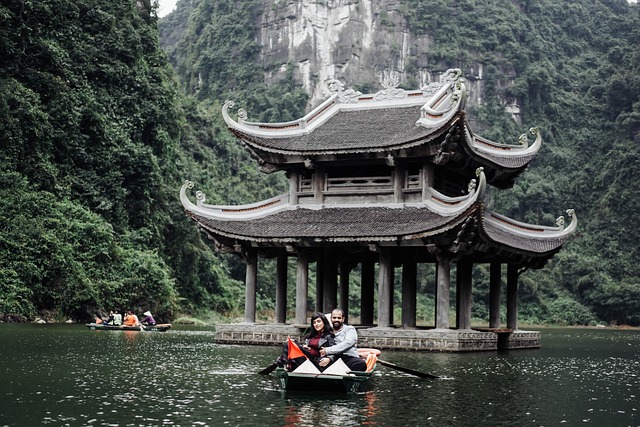
    My rural experience around Ninh Binh was a captivating journey through lush landscapes, ancient traditions, and vibrant local culture. Nestled in northern Vietnam, Ninh Binh is renowned for its stunning karst mountains, serene rice paddies, and winding rivers. During my time there, I immersed myself in the daily lives of the local communities, exploring their agricultural practices, traditional crafts, and culinary delights. The warm hospitality of the villagers, combined with the breathtaking natural beauty, created an unforgettable backdrop for my exploration of rural life in this enchanting region.

    Exploring the Scenic Landscapes of Ninh Binh

    Ninh Binh, a province in northern Vietnam, is renowned for its breathtaking landscapes that seamlessly blend natural beauty with cultural heritage. As one ventures into this picturesque region, the first striking feature is the karst topography, characterized by limestone mountains that rise dramatically from the lush rice paddies. This unique geological formation creates a stunning backdrop for exploration, particularly in areas such as Tam Coc and Trang An. The winding rivers that snake through these landscapes offer a tranquil setting for boat rides, allowing visitors to appreciate the towering cliffs and verdant greenery that define the area.

    One of the most captivating experiences in Ninh Binh is a boat tour through Tam Coc, often referred to as “Halong Bay on land.” As visitors glide along the Ngo Dong River, they are enveloped by the serene atmosphere and the enchanting sights of rice fields flanking the waterway. The journey is punctuated by the sight of ancient caves, such as Hang Ca, Hang Hai, and Hang Ba, which are accessible by boat. Each cave presents a unique formation, with stalactites and stalagmites that have formed over millennia, creating a natural gallery of geological wonders. The gentle rhythm of the oars, often propelled by local rowers using their feet, adds to the authenticity of the experience, allowing one to connect deeply with the surrounding environment.

    Transitioning from the water to the land, the Bich Dong Pagoda is another highlight that showcases the spiritual and historical significance of Ninh Binh. Nestled within the limestone mountains, this ancient pagoda complex consists of three tiers, each offering a different perspective of the surrounding landscape. The first tier, built in the 15th century, is particularly notable for its intricate architecture and serene atmosphere. Visitors can ascend the stone steps to reach the upper levels, where they are rewarded with panoramic views of the lush countryside and the winding rivers below. The tranquility of Bich Dong Pagoda serves as a perfect counterpoint to the vibrant life of the nearby villages, where local artisans craft traditional goods.

    As one continues to explore Ninh Binh, the ancient capital of Hoa Lu emerges as a significant historical site. This former capital of Vietnam during the 10th century is home to several temples dedicated to the Dinh and Le dynasties. The temples, surrounded by rice fields and mountains, reflect the architectural style of the era, with intricate carvings and stone structures that have withstood the test of time. Walking through the grounds, visitors can sense the weight of history and the reverence that locals have for their ancestors. The juxtaposition of the ancient structures against the backdrop of the natural landscape creates a harmonious blend of culture and nature.

    For those seeking a place to rest after a day of exploration, the Emeralda Resort Ninh Binh offers a luxurious retreat that complements the region’s natural beauty. Nestled amidst lush greenery, this resort features traditional Vietnamese architecture and modern amenities, providing guests with a comfortable and serene environment. The resort’s design harmonizes with the surrounding landscape, allowing visitors to unwind while enjoying views of the nearby mountains. With a range of activities available, including guided tours to nearby attractions and wellness treatments, Emeralda Resort Ninh Binh serves as an ideal base for immersing oneself in the enchanting rural experience that this region has to offer.

    Q&A

    What are the main attractions in Ninh Binh?

    Ninh Binh is known for its stunning natural landscapes, including the Trang An Scenic Landscape Complex and Tam Coc, often referred to as “Halong Bay on land.” Other attractions include the ancient capital of Hoa Lu and the picturesque Bich Dong Pagoda.

    What is the best time to visit Ninh Binh?

    The best time to visit Ninh Binh is from late September to early November and from March to May. During these months, the weather is mild, and the rice fields are lush and green, providing beautiful scenery.

    How can I get around Ninh Binh?

    Getting around Ninh Binh can be done by renting a bicycle, motorbike, or hiring a taxi. Many attractions are close to each other, making cycling a popular and enjoyable option.

    What local dishes should I try in Ninh Binh?

    When in Ninh Binh, be sure to try local specialties such as goat meat, which is often grilled or cooked in hot pots, and “com chay,” or burnt rice. These dishes reflect the region’s culinary heritage and are a must for food enthusiasts.

    Is it easy to find accommodation in Ninh Binh?

    Yes, Ninh Binh offers a range of accommodation options, from budget hostels to mid-range hotels and luxury resorts. Booking in advance is recommended, especially during peak tourist seasons.

    My rural experience around Ninh Binh was a captivating journey through lush landscapes and traditional Vietnamese culture. The serene rice paddies, towering limestone karsts, and tranquil waterways provided a picturesque backdrop for exploration. Engaging with local communities allowed for a deeper understanding of their customs and way of life. Overall, the experience was a harmonious blend of natural beauty and cultural richness, leaving a lasting impression.

  • Living Locally Near Phong Nha

    Living Locally Near Phong Nha

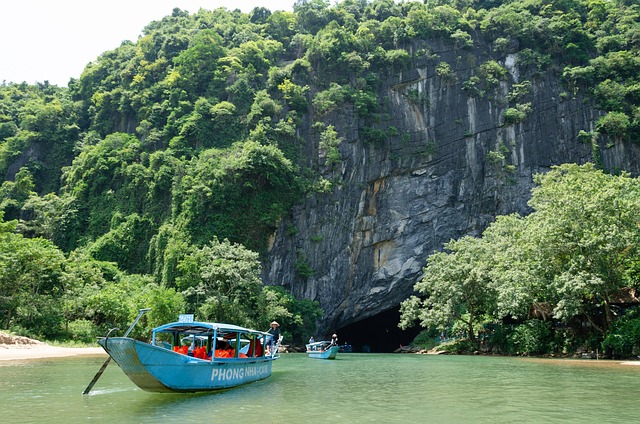
    Living locally near Phong Nha offers a unique blend of natural beauty, cultural richness, and a sense of community. Nestled in the heart of Vietnam, Phong Nha is renowned for its stunning limestone karsts, extensive cave systems, and lush landscapes. Residents enjoy a tranquil lifestyle surrounded by breathtaking scenery, with opportunities for outdoor activities such as hiking, biking, and exploring the famous Phong Nha-Kẻ Bàng National Park. The local culture is vibrant, with traditional markets, festivals, and a close-knit community that welcomes newcomers. Living in this area allows for a deep connection to nature and an authentic experience of Vietnamese rural life.

    Exploring Local Cuisine in Phong Nha

    Phong Nha, a picturesque region in Vietnam, is not only renowned for its stunning limestone caves and lush landscapes but also for its vibrant local cuisine that reflects the rich cultural tapestry of the area. As visitors explore this enchanting destination, they will find that the culinary offerings are deeply intertwined with the traditions and lifestyles of the local communities. One cannot visit Phong Nha without indulging in the famous Quang Binh-style dishes, which are characterized by their fresh ingredients and bold flavors.

    A quintessential dish to try is the “Bánh Xèo,” a savory Vietnamese pancake filled with a variety of ingredients such as shrimp, pork, and bean sprouts. This dish is often served with fresh herbs and a tangy dipping sauce, making it a delightful experience for the palate. Local eateries, often family-run, prepare this dish with a unique twist, incorporating regional ingredients that enhance its flavor profile. As one savors the crispy edges and the soft interior of the pancake, it becomes evident that the preparation is an art form passed down through generations.

    In addition to Bánh Xèo, the region is famous for its “Bún Bò Huế,” a spicy beef noodle soup that originates from the central region of Vietnam. The broth, simmered for hours with lemongrass, chili, and various spices, creates a fragrant and flavorful base that is both comforting and invigorating. Local restaurants in Phong Nha take pride in their recipes, often using beef sourced from nearby farms, ensuring freshness and quality. The dish is typically garnished with fresh herbs, lime, and chili, allowing diners to customize their experience according to their taste preferences.

    Another must-try dish is “Nem Chua,” a fermented pork dish that showcases the region’s penchant for preserving food. This delicacy is made from finely minced pork mixed with spices and wrapped in banana leaves, allowing it to ferment naturally. The result is a tangy, slightly spicy treat that is often enjoyed as an appetizer or snack. Many locals enjoy pairing Nem Chua with rice or fresh vegetables, creating a harmonious balance of flavors and textures. Visitors can find this dish at various street stalls, where the vibrant atmosphere adds to the overall dining experience.

    As one delves deeper into the culinary landscape of Phong Nha, it becomes clear that the region’s food culture is not solely about the dishes themselves but also about the communal experience of dining. Many restaurants and eateries are designed to foster a sense of togetherness, with communal tables and an inviting ambiance. This encourages visitors to engage with locals, share stories, and learn about the significance of each dish. The warmth and hospitality of the people enhance the overall experience, making every meal a memorable occasion.

    For those seeking a unique dining experience, the Phong Nha Farmstay offers an exceptional opportunity to immerse oneself in local cuisine while enjoying the serene countryside. This charming accommodation not only provides comfortable lodging but also features a restaurant that serves authentic Vietnamese dishes made from locally sourced ingredients. Guests can participate in cooking classes, where they learn to prepare traditional meals under the guidance of skilled chefs. This hands-on experience allows visitors to appreciate the intricacies of Vietnamese cooking while enjoying the stunning views of the surrounding landscape. The combination of culinary exploration and natural beauty makes Phong Nha Farmstay a perfect destination for those looking to live locally and savor the flavors of this remarkable region.

    Q&A

    What are the main attractions in Phong Nha?

    The main attractions in Phong Nha include the Phong Nha-Ke Bang National Park, famous for its stunning limestone caves and diverse ecosystems. Notable caves such as Paradise Cave and Phong Nha Cave offer breathtaking views and adventure opportunities.

    What activities can I do in Phong Nha?

    Visitors can enjoy activities such as cave exploration, trekking, kayaking, and cycling through the scenic countryside. Guided tours are available for those who want to learn more about the area’s natural and cultural history.

    What is the best time to visit Phong Nha?

    The best time to visit Phong Nha is from February to August when the weather is dry and pleasant. This period is ideal for outdoor activities and exploring the caves without the risk of heavy rainfall.

    Are there accommodation options in Phong Nha?

    Yes, Phong Nha offers a range of accommodation options, from budget hostels to mid-range hotels and guesthouses. Many places provide easy access to the national park and local attractions.

    How do I get to Phong Nha?

    Phong Nha can be reached by bus, train, or private car from major cities like Hanoi or Hue. The nearest airport is in Dong Hoi, which is about 45 kilometers away, with shuttle services available to Phong Nha.

    Living locally near Phong Nha offers a unique blend of natural beauty and cultural richness. The area is renowned for its stunning limestone karsts, extensive cave systems, and lush landscapes, making it an ideal location for outdoor enthusiasts. Residents can enjoy a close-knit community atmosphere while engaging in eco-tourism and sustainable practices. Overall, living in this region provides a fulfilling lifestyle deeply connected to nature and local traditions.

  • Staying Local Beyond Bali’s Beaches

    Staying Local Beyond Bali’s Beaches

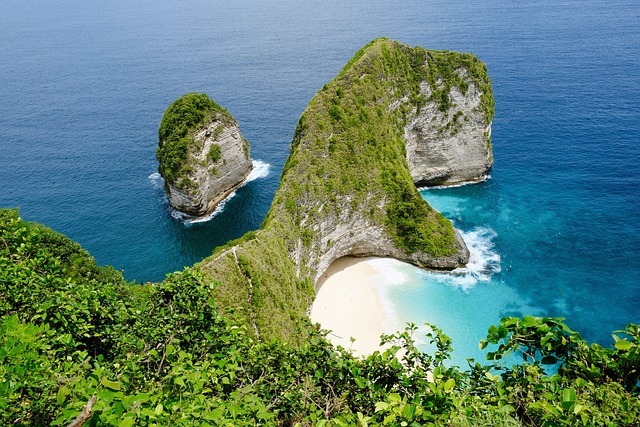
    Staying local beyond Bali’s beaches offers a unique opportunity to explore the island’s rich cultural heritage, lush landscapes, and vibrant communities. While Bali is renowned for its stunning coastlines and tourist hotspots, venturing inland reveals a tapestry of traditional villages, terraced rice fields, and sacred temples. Engaging with local artisans, participating in traditional ceremonies, and savoring authentic Balinese cuisine provide a deeper understanding of the island’s identity. This journey encourages travelers to connect with the local way of life, fostering sustainable tourism and supporting the preservation of Bali’s cultural treasures.

    Hidden Cultural Gems in Bali’s Ubud Region

    While Bali is renowned for its stunning beaches, the Ubud region offers a rich tapestry of cultural experiences that beckon travelers to explore beyond the shoreline. Nestled in the heart of the island, Ubud is often regarded as the cultural capital of Bali, where art, tradition, and spirituality converge. One of the most captivating places to visit in Ubud is the Sacred Monkey Forest Sanctuary. This lush, tropical haven is home to hundreds of playful long-tailed macaques, who roam freely among ancient temples and towering trees. Visitors can wander along winding paths, observing the monkeys in their natural habitat while also appreciating the intricate stone carvings and sacred sites that date back centuries. The sanctuary not only provides a unique wildlife experience but also serves as a reminder of the deep spiritual connection the Balinese people have with nature.

    As one delves deeper into Ubud, the Tegalalang Rice Terraces present another breathtaking sight. These iconic rice paddies, characterized by their stunning tiered landscapes, showcase the traditional subak irrigation system that has been practiced for generations. Visitors can take leisurely walks through the terraces, absorbing the serene beauty of the verdant fields while learning about the agricultural practices that sustain the local community. The area is also dotted with small cafes and art shops, where travelers can enjoy a refreshing drink or purchase handmade crafts, further enriching their experience of Ubud’s vibrant culture.

    In addition to its natural beauty, Ubud is a hub for artistic expression. The Neka Art Museum stands as a testament to Bali’s rich artistic heritage, housing an impressive collection of traditional and contemporary Balinese art. The museum’s thoughtfully curated exhibits provide insight into the evolution of Balinese painting, showcasing works from both local and international artists. Visitors can immerse themselves in the stories behind each piece, gaining a deeper appreciation for the cultural significance of art in Balinese society. The museum’s tranquil gardens and stunning views of the surrounding landscape create an inviting atmosphere for reflection and inspiration.

    Moreover, Ubud is home to numerous traditional markets, where the vibrant colors and aromas of local produce and handicrafts come alive. The Ubud Art Market, in particular, is a bustling hub where artisans sell their wares, from intricately woven textiles to handcrafted jewelry. Engaging with local vendors not only supports the community but also offers a glimpse into the daily lives of the Balinese people. As one navigates through the market, the lively atmosphere is enhanced by the sounds of traditional music and the tantalizing scents of local cuisine wafting through the air.

    For those seeking a tranquil retreat, the Como Uma Ubud hotel provides an exquisite blend of luxury and cultural immersion. Set amidst lush gardens and rice paddies, this hotel offers a serene escape while remaining close to Ubud’s cultural attractions. Guests can indulge in wellness treatments at the hotel’s spa, which incorporates traditional Balinese healing practices, or participate in yoga sessions that take advantage of the stunning natural surroundings. The hotel’s commitment to sustainability and local culture is evident in its culinary offerings, which feature organic ingredients sourced from nearby farms. By choosing to stay at Como Uma Ubud, travelers can experience the essence of Balinese culture while enjoying the comforts of modern luxury, making it an ideal base for exploring the hidden gems of Ubud.

    Q&A

    What are some cultural experiences to explore beyond Bali’s beaches?

    Visitors can immerse themselves in traditional Balinese culture by attending local ceremonies, visiting temples, and participating in cooking classes. Exploring artisan villages and witnessing traditional crafts like batik and wood carving also offers a deeper understanding of the island’s heritage.

    Are there any recommended hiking trails in Bali?

    Bali offers several scenic hiking trails, such as the Campuhan Ridge Walk and the trek to Mount Batur for sunrise views. These trails provide opportunities to experience the island’s lush landscapes and unique flora and fauna.

    What are some local markets to visit in Bali?

    Local markets like Ubud Market and Sukawati Art Market are great places to find handmade crafts, souvenirs, and local produce. These markets also provide a vibrant atmosphere to experience Balinese daily life and culture.

    How can I experience Balinese cuisine beyond restaurants?

    Participating in a cooking class or visiting local food markets can provide an authentic taste of Balinese cuisine. Street food stalls also offer a variety of traditional dishes that reflect the island’s culinary heritage.

    What are some eco-friendly activities to do in Bali?

    Engaging in activities like rice field cycling, visiting eco-friendly resorts, and participating in beach clean-ups can promote sustainability. Additionally, exploring Bali’s natural parks and wildlife sanctuaries helps support conservation efforts while enjoying the island’s beauty.

    Staying local beyond Bali’s beaches offers a rich tapestry of cultural experiences, natural beauty, and authentic interactions with the island’s communities. Visitors can explore traditional villages, lush rice terraces, and vibrant markets, gaining a deeper understanding of Balinese customs and daily life. Engaging in local activities, such as cooking classes or artisan workshops, fosters a connection to the island’s heritage. Ultimately, venturing beyond the coastline enriches the travel experience and supports sustainable tourism practices.

  • Staying Close to Everyday Culture

    Staying Close to Everyday Culture

    Staying close to everyday culture involves immersing oneself in the daily practices, values, and expressions that shape the lives of individuals within a community. It emphasizes the importance of understanding and appreciating the nuances of local traditions, social interactions, and contemporary trends. By engaging with everyday culture, individuals can foster a deeper connection to their surroundings, promote inclusivity, and enhance their cultural awareness. This approach not only enriches personal experiences but also encourages a sense of belonging and shared identity within diverse societies.

    The Impact of Social Media on Everyday Culture

    In recent years, social media has profoundly influenced everyday culture, reshaping how individuals interact, communicate, and perceive their surroundings. Platforms such as Instagram, Twitter, and Facebook have become integral to daily life, allowing users to share experiences and connect with others across the globe. This interconnectedness has fostered a sense of community, where cultural exchanges occur in real-time, transcending geographical boundaries. As a result, local customs and traditions are often showcased on these platforms, leading to a greater appreciation for diverse cultures and lifestyles.

    One notable example of this phenomenon can be observed in the rise of travel influencers who curate visually appealing content that highlights unique destinations. These influencers often visit lesser-known locales, showcasing local cuisine, art, and traditions that might otherwise remain undiscovered. For instance, a traveler exploring the vibrant streets of Oaxaca, Mexico, may share images of colorful markets filled with handcrafted goods and traditional foods, enticing their followers to experience the rich cultural tapestry of the region. This not only promotes tourism but also encourages a deeper understanding of the local culture, as viewers are inspired to engage with the community in meaningful ways.

    Moreover, social media has transformed the way businesses operate, particularly in the hospitality industry. Hotels and restaurants now utilize platforms like Instagram to market their offerings, often showcasing aesthetically pleasing dishes or luxurious accommodations. The Hotel Bel-Air in Los Angeles, for example, has mastered the art of social media marketing by sharing stunning images of its lush gardens and opulent suites. This visual storytelling not only attracts potential guests but also creates a sense of aspiration, as followers envision themselves enjoying a lavish getaway in such an idyllic setting. Consequently, the hotel experience has evolved into a social media event, where guests are encouraged to document their stay and share it with their networks.

    In addition to influencing travel and hospitality, social media has also played a significant role in shaping cultural trends. The rapid dissemination of information allows for the swift spread of new ideas, fashion, and lifestyle choices. For instance, the popularity of plant-based diets has surged, largely due to influencers promoting veganism on platforms like TikTok and Instagram. As individuals share their culinary creations and health journeys, they inspire others to adopt similar lifestyles, thereby creating a ripple effect that impacts societal norms and values. This phenomenon illustrates how social media can serve as a catalyst for cultural change, encouraging individuals to explore new ways of living and thinking.

    Furthermore, social media has provided a platform for marginalized voices, allowing them to share their stories and experiences with a broader audience. This democratization of content creation has led to increased awareness of social issues and cultural movements. For example, the #BlackLivesMatter movement gained significant traction on social media, mobilizing individuals to advocate for racial justice and equality. By amplifying these voices, social media has fostered a sense of solidarity and collective action, demonstrating its potential to effect meaningful change within everyday culture.

    As social media continues to evolve, its impact on everyday culture will undoubtedly grow. The interplay between digital platforms and real-life experiences will shape how individuals perceive and engage with the world around them. A prime example of this ongoing evolution can be seen at the Ace Hotel in New Orleans, where the establishment embraces its local culture while also catering to a digitally savvy clientele. The hotel features a vibrant atmosphere infused with local art and music, encouraging guests to immerse themselves in the city’s rich heritage while sharing their experiences online. This blend of authenticity and modernity exemplifies how social media can enhance cultural experiences, making them more accessible and engaging for all.

    Q&A

    What does it mean to stay close to everyday culture?

    Staying close to everyday culture means engaging with the daily lives, practices, and values of people in a community. It involves understanding and appreciating the nuances of cultural expressions that shape social interactions and experiences.

    Why is it important to stay connected to everyday culture?

    Staying connected to everyday culture fosters empathy and understanding among diverse groups. It helps individuals appreciate different perspectives and promotes social cohesion within communities.

    How can one engage with everyday culture?

    Engagement can occur through participation in local events, exploring community art, and interacting with residents. Additionally, consuming local media and supporting small businesses can deepen one’s connection to the culture.

    What role does technology play in everyday culture?

    Technology influences everyday culture by shaping communication, entertainment, and information sharing. Social media platforms, for instance, allow for the rapid exchange of cultural trends and ideas, making them more accessible to a wider audience.

    How can understanding everyday culture benefit businesses?

    Understanding everyday culture can help businesses tailor their products and marketing strategies to better meet the needs of their target audience. This cultural awareness can lead to stronger customer relationships and increased brand loyalty.

    Staying close to everyday culture allows individuals to remain connected to the values, practices, and experiences that shape their communities. It fosters a sense of belonging and understanding, enabling people to engage meaningfully with their surroundings. By embracing local customs and traditions, one can cultivate a deeper appreciation for diversity and the richness of human experience. Ultimately, this connection enhances personal growth and social cohesion.

  • Living Slowly Along Cambodia’s Coast

    Living Slowly Along Cambodia’s Coast

    Living slowly along Cambodia’s coast offers a unique blend of serene landscapes, vibrant culture, and a laid-back lifestyle. The coastal regions, characterized by pristine beaches, lush mangroves, and charming fishing villages, invite residents and visitors alike to embrace a more relaxed pace of life. Here, the rhythm of daily activities is dictated by the tides and the sun, fostering a deep connection with nature. The local communities, rich in traditions and hospitality, provide a glimpse into a simpler way of living, where time is measured not by the clock but by the ebb and flow of the ocean. This coastal lifestyle encourages mindfulness, appreciation for the environment, and a focus on community, making it an ideal setting for those seeking tranquility and a deeper understanding of Cambodian culture.

    Embracing the Art of Slow Travel in Cambodia’s Coastal Towns

    Living slowly along Cambodia’s coast invites travelers to immerse themselves in the serene beauty and rich culture of this Southeast Asian gem. The coastal towns of Cambodia, such as Sihanoukville, Kep, and Kampot, offer a unique opportunity to embrace the art of slow travel, allowing visitors to savor each moment and connect deeply with their surroundings. Sihanoukville, known for its stunning beaches and vibrant nightlife, also harbors quieter corners where one can unwind. Otres Beach, for instance, is a tranquil stretch of sand that contrasts sharply with the bustling atmosphere of the main beach. Here, visitors can lounge in hammocks, sip on fresh coconut water, and watch the sun dip below the horizon, all while listening to the gentle lapping of waves.

    As one ventures further along the coast, the charming town of Kep emerges as a haven for those seeking a slower pace. Renowned for its seafood, particularly the famous crab, Kep offers a delightful culinary experience that encourages travelers to take their time. The local market, bustling with vendors selling fresh catches and vibrant produce, invites visitors to engage with the community. Dining at one of the seaside restaurants, where the catch of the day is served with a view of the shimmering Gulf of Thailand, becomes an experience to be savored rather than rushed. The laid-back atmosphere of Kep is further enhanced by its natural beauty, with the nearby Kep National Park providing a perfect backdrop for leisurely hikes through lush greenery and stunning vistas.

    Transitioning from Kep to Kampot, one finds a town steeped in history and charm. Kampot is famous for its pepper plantations, which have gained international acclaim for their quality. A visit to one of these plantations offers a glimpse into the traditional farming methods that have been passed down through generations. Here, travelers can stroll through the fields, learn about the cultivation process, and even participate in a pepper tasting session. This immersive experience not only highlights the region’s agricultural heritage but also fosters a deeper appreciation for the local economy and its sustainable practices. The slow pace of life in Kampot is further complemented by its picturesque riverside setting, where one can enjoy a leisurely boat ride or simply relax by the water’s edge, watching the world go by.

    In addition to its natural and culinary offerings, Kampot is also home to a variety of accommodations that embody the spirit of slow travel. The Rikitikitavi Hotel, for example, is a boutique establishment that emphasizes relaxation and comfort. With its spacious rooms overlooking the river, guests are encouraged to unwind and take in the tranquil surroundings. The hotel’s restaurant serves locally sourced ingredients, allowing visitors to indulge in authentic Cambodian cuisine while enjoying the serene ambiance. The attentive staff at Rikitikitavi are dedicated to ensuring that each guest’s experience is personalized, further enhancing the sense of connection to the local culture.

    As travelers explore the coastal towns of Cambodia, they are reminded of the beauty of slowing down and embracing the present moment. Each destination offers a unique blend of natural beauty, cultural richness, and culinary delights, inviting visitors to engage with their surroundings in a meaningful way. Whether lounging on the beaches of Sihanoukville, savoring fresh seafood in Kep, or exploring the pepper fields of Kampot, the art of slow travel along Cambodia’s coast reveals a world that is best experienced at a leisurely pace.

    Q&A

    What are the best coastal towns to visit in Cambodia?

    The best coastal towns in Cambodia include Sihanoukville, Kampot, and Kep. Each offers unique attractions, from beautiful beaches to vibrant markets and delicious seafood.

    What activities can I enjoy while living slowly along Cambodia’s coast?

    You can enjoy activities such as beach lounging, exploring local markets, and indulging in fresh seafood. Additionally, water sports like snorkeling and kayaking are popular in the coastal areas.

    What is the best time to visit Cambodia’s coast?

    The best time to visit is during the dry season, which runs from November to April. This period offers pleasant weather and ideal conditions for beach activities.

    Are there any cultural experiences to explore along the coast?

    Yes, visitors can explore local fishing villages, visit traditional markets, and participate in cultural festivals. Engaging with local communities provides insight into Cambodian coastal life.

    What is the local cuisine like along Cambodia’s coast?

    The local cuisine features an abundance of fresh seafood, tropical fruits, and traditional dishes like Amok and Lok Lak. Street food is also popular, offering a variety of flavors and experiences.

    Living slowly along Cambodia’s coast offers a unique blend of tranquility and natural beauty, allowing residents and visitors to immerse themselves in the serene environment. The coastal lifestyle emphasizes a connection to nature, local culture, and sustainable practices, fostering a sense of community and well-being. This slower pace of life encourages mindfulness and appreciation for the simple pleasures found in daily routines. Ultimately, it presents an opportunity to escape the fast-paced world and embrace a more harmonious way of living.

  • Living Around Kota Kinabalu Neighborhoods

    Living Around Kota Kinabalu Neighborhoods

    Kota Kinabalu, the vibrant capital of Sabah, Malaysia, is known for its stunning natural beauty, rich cultural diversity, and dynamic urban life. The neighborhoods surrounding this coastal city offer a unique blend of modern amenities and traditional charm, making them appealing for both residents and visitors. From the bustling markets and waterfront promenades of the city center to the serene beaches and lush green hills of the outskirts, each neighborhood has its own distinct character. Whether you seek a lively atmosphere filled with restaurants and shops or a tranquil retreat close to nature, living around Kota Kinabalu provides a diverse range of experiences that cater to various lifestyles and preferences.

    Exploring The Best Neighborhoods In Kota Kinabalu For Families

    Kota Kinabalu, the vibrant capital of Sabah, Malaysia, offers a diverse array of neighborhoods that cater to families seeking both comfort and convenience. One of the most appealing areas for families is Likas, known for its serene environment and proximity to essential amenities. Likas boasts several parks, including the Likas Bay Park, which provides ample space for children to play and families to enjoy outdoor activities. The neighborhood is also home to reputable schools and healthcare facilities, making it an ideal choice for families prioritizing education and well-being.

    Transitioning from Likas, the neighborhood of Tanjung Aru presents a different yet equally attractive option for families. Renowned for its stunning beaches, Tanjung Aru is perfect for those who appreciate a coastal lifestyle. The area features the popular Tanjung Aru Beach, where families can spend weekends picnicking, swimming, or simply enjoying the breathtaking sunsets. Additionally, the presence of various dining options and recreational facilities enhances the family-friendly atmosphere. The Tanjung Aru Perdana Park, with its playgrounds and jogging paths, further enriches the community, making it a desirable location for families seeking an active lifestyle.

    Moving towards the city center, the neighborhood of Penampang offers a unique blend of urban convenience and suburban tranquility. This area is characterized by its multicultural community, which fosters a welcoming environment for families from diverse backgrounds. Penampang is home to several shopping centers, such as the 1Borneo Hypermall, where families can find everything from groceries to entertainment options. Furthermore, the neighborhood is known for its vibrant local markets, where families can experience the rich culinary heritage of Sabah. The availability of various educational institutions, including international schools, adds to the appeal of Penampang for families looking to settle in a nurturing environment.

    In contrast, the neighborhood of Kota Kinabalu City Center provides a bustling urban experience that is equally suitable for families. This area is characterized by its modern amenities, including shopping malls, restaurants, and cultural attractions. Families can explore the Gaya Street Sunday Market, where local vendors offer fresh produce, handicrafts, and delicious street food. The proximity to cultural sites, such as the Sabah State Museum, allows families to engage in educational outings that enrich their understanding of the region’s history and heritage. The vibrant atmosphere of the city center ensures that families have access to a wide range of activities and services, making it a convenient choice for those who thrive in an urban setting.

    Lastly, the neighborhood of Sutera Harbour stands out for its luxurious offerings and family-friendly environment. This exclusive area features the Sutera Harbour Resort, which provides a range of amenities, including swimming pools, a marina, and a golf course. Families residing in Sutera Harbour can enjoy a resort-style lifestyle while being close to the city’s attractions. The resort also hosts various family-oriented events and activities, ensuring that there is always something to engage children and parents alike. The combination of luxury and accessibility makes Sutera Harbour an attractive option for families seeking a high-quality living experience in Kota Kinabalu.

    Q&A

    What are the best neighborhoods to live in around Kota Kinabalu?

    Some of the best neighborhoods include Luyang, Tanjung Aru, and Penampang. These areas offer a mix of amenities, accessibility, and a vibrant community atmosphere.

    Is it safe to live in Kota Kinabalu neighborhoods?

    Generally, Kota Kinabalu is considered safe, but like any city, it is advisable to stay aware of your surroundings. Certain neighborhoods may have higher crime rates, so it’s best to research specific areas.

    What amenities are available in Kota Kinabalu neighborhoods?

    Most neighborhoods in Kota Kinabalu have access to essential amenities such as schools, shopping centers, and healthcare facilities. Many areas also feature parks and recreational spaces for outdoor activities.

    How is the public transportation system in Kota Kinabalu?

    Kota Kinabalu has a limited public transportation system, primarily consisting of buses and taxis. While some neighborhoods are well-connected, having a personal vehicle can be more convenient for commuting.

    What is the cost of living like in Kota Kinabalu neighborhoods?

    The cost of living in Kota Kinabalu is generally lower than in major cities. Housing prices vary by neighborhood, but overall, residents can find affordable options for both renting and buying property.

    Living around Kota Kinabalu offers a diverse range of neighborhoods, each with its unique charm and amenities. From the bustling city center with its vibrant markets and dining options to quieter suburban areas that provide a more relaxed lifestyle, residents can find a suitable environment for their needs. The proximity to stunning natural landscapes, including beaches and mountains, enhances the appeal of these neighborhoods. Overall, Kota Kinabalu presents a balanced lifestyle that combines urban convenience with the beauty of nature.

  • My Singapore Neighborhood Stay Experience

    My Singapore Neighborhood Stay Experience

    My Singapore Neighborhood Stay Experience offers a unique glimpse into the vibrant culture and daily life of this dynamic city-state. Nestled within a local neighborhood, this experience allows visitors to immerse themselves in the rich tapestry of Singaporean traditions, cuisine, and community interactions. From exploring bustling markets and savoring authentic street food to engaging with friendly locals, this stay provides an authentic perspective that goes beyond typical tourist attractions. Whether it’s the colorful architecture, the aroma of local dishes, or the warmth of the community, every moment spent in this neighborhood is a celebration of Singapore’s diverse heritage and a chance to create lasting memories.

    My Favorite Local Eateries in the Neighborhood

    During my stay in Singapore, I had the opportunity to explore a variety of local eateries that truly encapsulated the vibrant culinary scene of the neighborhood. One of the standout locations was the famous Maxwell Food Centre, a bustling hawker center that offers an array of traditional Singaporean dishes. As I wandered through the rows of stalls, the tantalizing aromas of chicken rice, satay, and laksa wafted through the air, inviting me to sample the local flavors. The highlight of my visit was undoubtedly the Tian Tian Hainanese Chicken Rice stall, renowned for its tender chicken and fragrant rice, which is often regarded as one of the best in the city. The experience of dining at Maxwell Food Centre was not just about the food; it was also about the vibrant atmosphere, where locals and tourists alike gathered to enjoy their meals in a communal setting.

    Just a short walk from Maxwell Food Centre lies the historic Chinatown district, where I discovered another gem: the Chinatown Complex Food Centre. This expansive food court is home to over 200 stalls, each offering a unique taste of Singapore’s diverse culinary heritage. I was particularly drawn to the char kway teow stall, where the chef skillfully stir-fried flat rice noodles with prawns, Chinese sausage, and bean sprouts, creating a dish that was both savory and satisfying. The communal dining area buzzed with energy, as patrons eagerly shared recommendations and stories, further enhancing the sense of community that is so integral to Singaporean culture.

    As I continued my culinary exploration, I ventured into the Little India neighborhood, where the vibrant colors and rich aromas of Indian cuisine beckoned me. One of my favorite eateries in this area was the Banana Leaf Apolo, a restaurant celebrated for its authentic South Indian dishes served on banana leaves. The experience of dining here was immersive; the staff expertly laid out the banana leaves and presented an array of curries, rice, and side dishes. The fish head curry, in particular, was a revelation, with its rich, spicy sauce perfectly complementing the tender fish. The lively atmosphere, combined with the delicious food, made for an unforgettable dining experience that truly showcased the flavors of India.

    Not far from Little India, I stumbled upon the vibrant Kampong Glam district, known for its rich Malay heritage. Here, I found the popular Zam Zam Restaurant, famous for its murtabak, a stuffed pancake that is a beloved local dish. The murtabak, filled with spiced minced meat and served with a side of curry, was a delightful fusion of flavors and textures. The restaurant’s casual ambiance, coupled with the friendly service, made it a perfect spot to enjoy a meal while soaking in the local culture. The bustling streets surrounding Kampong Glam, adorned with colorful murals and traditional shops, added to the charm of the dining experience.

    Finally, my culinary journey led me to the East Coast area, where I discovered the renowned East Coast Lagoon Food Village. This open-air food court is a haven for seafood lovers, offering a plethora of stalls serving fresh catches from the sea. I indulged in a plate of chili crab, a signature dish that is synonymous with Singaporean cuisine. The sweet and spicy sauce clung to the succulent crab meat, creating a delightful mess that was well worth the effort. Dining at East Coast Lagoon Food Village was not just about the food; it was also about enjoying the sea breeze and the picturesque views of the coastline, making it a perfect end to my culinary adventure in Singapore.

    Q&A

    What is My Singapore Neighborhood Stay Experience?

    My Singapore Neighborhood Stay Experience is a unique program that allows visitors to stay with local hosts in various neighborhoods across Singapore. It offers an authentic cultural experience, showcasing the local lifestyle and community.

    How do I book a stay through this program?

    You can book a stay by visiting the official website and selecting your desired neighborhood and host. The process is straightforward, allowing you to view available accommodations and make reservations online.

    What types of accommodations are available?

    The program offers a range of accommodations, including private rooms, shared spaces, and entire homes. Each option provides a different experience, catering to various preferences and budgets.

    Are meals included in the stay?

    Meals are not typically included in the stay, but many hosts offer breakfast or local dining experiences for an additional fee. Guests are encouraged to explore local eateries and markets for authentic Singaporean cuisine.

    What should I expect during my stay?

    During your stay, you can expect a warm welcome from your host, who will share insights about the neighborhood and local attractions. The experience is designed to immerse you in the local culture and provide a personalized touch to your visit.

    My Singapore Neighborhood Stay Experience was enriching and immersive, allowing me to connect with the local culture and community. The vibrant atmosphere, diverse culinary offerings, and friendly residents made my stay memorable. Exploring the neighborhood’s unique charm and hidden gems provided a deeper understanding of Singaporean life. Overall, it was a delightful experience that highlighted the warmth and hospitality of the local people.

  • Staying Local Around Ipoh

    Staying Local Around Ipoh

    Staying local around Ipoh offers a unique opportunity to explore the rich cultural heritage, stunning natural landscapes, and delectable culinary scene of this charming Malaysian city. Nestled in the state of Perak, Ipoh is renowned for its colonial architecture, vibrant street art, and lush limestone hills. Visitors can immerse themselves in the local lifestyle by visiting traditional markets, sampling famous dishes like Ipoh’s white coffee and chicken rice, and discovering hidden gems such as the Kek Lok Tong Cave Temple. With its blend of history, nature, and gastronomy, Ipoh provides an authentic experience for those looking to enjoy the essence of local life.

    Hidden Gems: Exploring Ipoh’s Local Cafés and Eateries

    Ipoh, the capital of Perak, Malaysia, is renowned for its rich history and vibrant culture, but it is also a treasure trove of hidden gems, particularly in the realm of local cafés and eateries. One such gem is the quaint and charming Burps & Giggles, nestled in the heart of the old town. This café is not only known for its eclectic decor, which features vintage furniture and local artwork, but also for its delightful menu that showcases a fusion of Western and local flavors. Patrons can indulge in dishes like the signature Burps Burger, which is a crowd favorite, or opt for the Nasi Lemak with a twist, served with a side of homemade sambal that tantalizes the taste buds.

    Just a short stroll away lies the iconic Plan B, a café that has become a staple for both locals and tourists alike. With its modern industrial design and a relaxed atmosphere, Plan B offers a diverse menu that caters to various palates. The café is particularly famous for its all-day breakfast options, which include fluffy pancakes and hearty English breakfasts. Additionally, the coffee served here is sourced from local roasters, ensuring that each cup is not only fresh but also supports the local economy. The inviting ambiance makes it an ideal spot for both casual meetings and leisurely afternoons spent with friends.

    As one continues to explore the culinary landscape of Ipoh, the next stop should undoubtedly be the legendary Lou Wong Bean Sprout Chicken. This eatery is a must-visit for anyone seeking to experience authentic Ipoh cuisine. The restaurant is famed for its tender chicken, which is served with crunchy bean sprouts and fragrant rice. The secret to its success lies in the meticulous preparation and the use of high-quality ingredients. Diners often find themselves queuing outside, a testament to the establishment’s popularity and the deliciousness of its offerings. The experience is further enhanced by the friendly service, which makes every guest feel welcomed.

    Venturing further into the local food scene, one cannot overlook the charming Kedai Kopi Yong Suan, a traditional coffee shop that has been serving the community for decades. This establishment is particularly known for its Ipoh white coffee, a unique brew that is roasted with palm oil margarine, giving it a distinct flavor profile. Accompanied by a selection of local pastries and snacks, such as kaya toast and curry puffs, Yong Suan provides a nostalgic glimpse into the culinary traditions of the region. The bustling atmosphere, filled with the sounds of clinking cups and lively conversations, adds to the overall experience, making it a perfect spot for breakfast or an afternoon pick-me-up.

    For those seeking a more contemporary dining experience, the trendy Thean Chun Coffee Shop offers a delightful mix of traditional and modern dishes. Known for its famous chicken hor fun, a rice noodle dish served in a flavorful broth, this eatery also features a variety of other local favorites. Thean Chun is particularly popular among younger crowds, who appreciate the café’s vibrant atmosphere and Instagram-worthy dishes. The combination of traditional recipes with a modern twist makes it a favorite among both locals and visitors.

    Finally, no exploration of Ipoh’s culinary scene would be complete without a visit to the luxurious Indulgence Restaurant and Living. This establishment is not only a restaurant but also a boutique hotel, offering a unique dining experience that combines fine dining with a cozy ambiance. The menu features a range of gourmet dishes, crafted with seasonal ingredients and presented with artistic flair. Guests can enjoy a meal in the beautifully decorated dining area or opt for al fresco dining in the lush garden setting. The attention to detail and commitment to quality make Indulgence a standout choice for those looking to indulge in a memorable culinary experience while staying local around Ipoh.

    Q&A

    What are some popular local attractions in Ipoh?

    Popular attractions in Ipoh include the Kek Lok Tong Cave Temple, Lost World of Tambun, and the Ipoh Railway Station. Visitors can also explore the historical Old Town and enjoy the street art and local cafes.

    Where can I find the best local food in Ipoh?

    Ipoh is famous for its local cuisine, particularly its chicken rice, bean sprout chicken, and Ipoh white coffee. Popular eateries include Lou Wong and Thean Chun for authentic dining experiences.

    Is it easy to get around Ipoh without a car?

    Yes, getting around Ipoh without a car is manageable. Public transportation options like buses and taxis are available, and many attractions are within walking distance in the city center.

    What outdoor activities can I enjoy in Ipoh?

    Outdoor activities in Ipoh include hiking at Gunung Lang Recreational Park and exploring the nearby limestone hills. Visitors can also enjoy cycling around the city or visiting the scenic Kinta Riverfront.

    Are there any cultural events or festivals in Ipoh?

    Ipoh hosts various cultural events and festivals throughout the year, including the Ipoh International Art Festival and the Chinese New Year celebrations. These events showcase local traditions, art, and cuisine, attracting both locals and tourists.

    Staying local around Ipoh offers a unique blend of cultural experiences, natural beauty, and culinary delights. Visitors can explore the city’s rich heritage through its colonial architecture and vibrant street art, while also enjoying the stunning limestone hills and caves nearby. The local food scene, famous for dishes like chicken rice and bean sprout chicken, provides a taste of the region’s diverse flavors. Overall, Ipoh is an ideal destination for those looking to immerse themselves in a charming and authentic Malaysian experience.