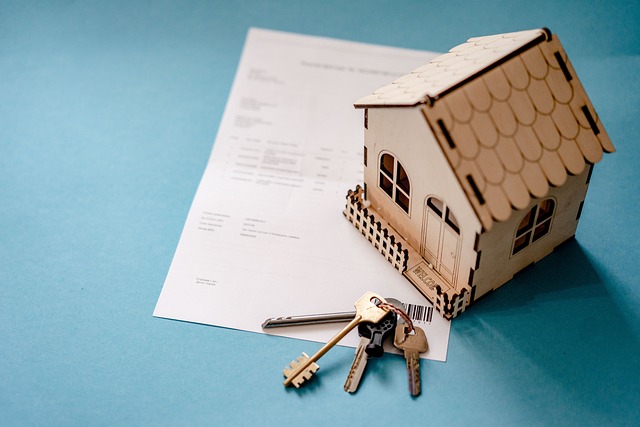
The Mortgage Budget Guide for People Moving from Renting to Owning is an essential resource designed to help individuals transition smoothly from renting to homeownership. This guide provides a comprehensive overview of the financial considerations involved in purchasing a home, including budgeting for a mortgage, understanding different loan options, and calculating additional costs such as property taxes, insurance, and maintenance. By equipping potential homeowners with the knowledge and tools necessary to create a realistic budget, this guide aims to empower them to make informed decisions and achieve their dream of owning a home.
Understanding Your Mortgage Options: A Guide for First-Time Homebuyers
When transitioning from renting to owning a home, understanding mortgage options is crucial for first-time homebuyers. The landscape of mortgage products can be overwhelming, yet familiarizing oneself with the various types can significantly ease the process. Fixed-rate mortgages, for instance, are among the most popular choices. With a fixed-rate mortgage, the interest rate remains constant throughout the life of the loan, providing predictability in monthly payments. This stability can be particularly appealing for those who prefer a clear budget without the worry of fluctuating rates.
In contrast, adjustable-rate mortgages (ARMs) offer a different approach. Initially, these loans typically feature lower interest rates compared to fixed-rate options, which can make them attractive for buyers looking to maximize their purchasing power. However, it is essential to understand that after an initial fixed period, the interest rate may adjust based on market conditions, potentially leading to higher payments in the future. Therefore, while ARMs can be beneficial for short-term homeowners, they require careful consideration and a solid understanding of the potential risks involved.
Another option worth exploring is the FHA loan, which is backed by the Federal Housing Administration. This type of mortgage is particularly advantageous for first-time homebuyers who may have lower credit scores or limited savings for a down payment. FHA loans allow for down payments as low as 3.5%, making homeownership more accessible. However, it is important to note that these loans come with mortgage insurance premiums, which can add to the overall cost of the mortgage. Thus, while the initial entry into homeownership may be easier, buyers should factor in these additional expenses when budgeting.
As buyers delve deeper into their mortgage options, they may also encounter VA loans, designed specifically for veterans and active-duty military personnel. These loans offer several benefits, including no down payment and no private mortgage insurance requirement. This can significantly reduce the overall cost of homeownership, making it an attractive option for those who qualify. However, understanding eligibility requirements and the application process is essential to fully leverage the advantages of VA loans.
In addition to these traditional mortgage options, first-time homebuyers should also consider local and state programs that may offer assistance. Many regions provide down payment assistance or favorable loan terms to encourage homeownership among residents. Researching these programs can uncover valuable resources that may not be immediately apparent, potentially easing the financial burden of purchasing a home.
As prospective buyers navigate their mortgage options, it is also vital to consider the role of credit scores. Lenders typically assess creditworthiness when determining loan eligibility and interest rates. Therefore, maintaining a healthy credit score can lead to more favorable loan terms. First-time homebuyers should take proactive steps to improve their credit, such as paying down existing debts and ensuring timely bill payments.
Finally, when it comes to selecting a mortgage lender, it is advisable to shop around and compare offers. Different lenders may provide varying interest rates, fees, and customer service experiences. Engaging with multiple lenders can help buyers find the best fit for their financial situation and homeownership goals. For instance, a reputable lender like Quicken Loans offers a user-friendly online platform that simplifies the mortgage application process, making it easier for first-time buyers to navigate their options. By understanding the nuances of mortgage products and taking the time to research, first-time homebuyers can make informed decisions that align with their financial aspirations.
Q&A
What is a mortgage budget guide?
A mortgage budget guide is a tool that helps potential homebuyers understand their financial situation and determine how much they can afford to spend on a home. It typically includes calculations for monthly payments, down payments, and other associated costs.
How do I calculate my monthly mortgage payment?
Your monthly mortgage payment can be calculated using the loan amount, interest rate, and loan term. Online mortgage calculators can simplify this process by providing an estimate based on your inputs.
What additional costs should I consider when buying a home?
In addition to the mortgage payment, consider property taxes, homeowners insurance, maintenance costs, and potential homeowners association fees. These expenses can significantly impact your overall budget.
How much should I save for a down payment?
Traditionally, a down payment of 20% is recommended to avoid private mortgage insurance (PMI), but many lenders offer options with lower down payments. It’s essential to assess your financial situation and choose a down payment that fits your budget.
What is the importance of getting pre-approved for a mortgage?
Getting pre-approved for a mortgage gives you a clear understanding of how much you can borrow and shows sellers that you are a serious buyer. It can streamline the home-buying process and help you make competitive offers.
A Mortgage Budget Guide for individuals transitioning from renting to owning is essential for understanding the financial implications of homeownership. It helps potential buyers assess their budget, including mortgage payments, property taxes, insurance, and maintenance costs. By creating a comprehensive budget, individuals can make informed decisions and avoid financial strain. Ultimately, this guide empowers renters to confidently navigate the home-buying process and achieve their goal of homeownership.