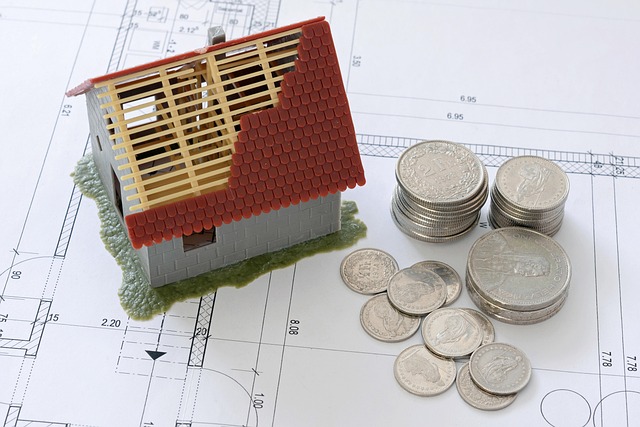
Navigating the world of home financing can be daunting for first-time borrowers, but understanding the available options is crucial for making informed decisions. With a variety of loan types, interest rates, and repayment plans, potential homeowners must familiarize themselves with the basics of mortgages, including fixed-rate and adjustable-rate loans, government-backed programs, and the importance of credit scores. By exploring these financing options and assessing their personal financial situations, first-time borrowers can find the best fit for their needs, ultimately paving the way to successful homeownership.
Understanding Mortgage Types: Fixed vs. Adjustable Rates
When embarking on the journey of home financing, first-time borrowers often encounter a myriad of options, particularly when it comes to understanding mortgage types. Among the most prevalent choices are fixed-rate and adjustable-rate mortgages, each offering distinct advantages and considerations that can significantly impact a borrower’s financial future. A fixed-rate mortgage, as the name suggests, maintains a consistent interest rate throughout the life of the loan, typically spanning 15 to 30 years. This stability can be particularly appealing to first-time buyers who prefer predictability in their monthly payments, allowing them to budget effectively without the worry of fluctuating rates.
In contrast, adjustable-rate mortgages (ARMs) present a different approach to home financing. Initially, these loans often feature lower interest rates compared to fixed-rate options, which can make them attractive for borrowers looking to minimize their upfront costs. However, the key characteristic of ARMs is that their interest rates are subject to change after an initial fixed period, which can range from a few months to several years. As a result, while borrowers may benefit from lower payments in the early years, they must also be prepared for potential increases in their monthly obligations as the loan adjusts to market conditions. This aspect of ARMs necessitates careful consideration, particularly for those who may not plan to stay in their homes long-term.
Moreover, understanding the implications of these mortgage types extends beyond mere interest rates. For instance, fixed-rate mortgages provide a sense of security, as borrowers are shielded from market volatility. This can be particularly advantageous in times of economic uncertainty when interest rates may rise. On the other hand, ARMs can be beneficial for those who anticipate a rise in income or plan to refinance before the adjustment period begins. This strategic approach can allow borrowers to take advantage of lower initial rates while mitigating the risks associated with potential rate increases.
As borrowers delve deeper into their financing options, they may also encounter hybrid mortgages, which combine elements of both fixed and adjustable rates. These loans typically offer a fixed rate for a specified period before transitioning to an adjustable rate. This hybrid model can provide a balanced approach, allowing borrowers to enjoy the stability of fixed payments initially while also benefiting from the lower rates associated with ARMs later on. Such options can be particularly appealing for first-time buyers who are uncertain about their long-term housing plans.
In addition to understanding the types of mortgages available, first-time borrowers should also consider the broader implications of their financing choices. For instance, the location of the property can significantly influence the type of mortgage that may be most suitable. In urban areas where property values tend to appreciate rapidly, a fixed-rate mortgage might be more advantageous, as it locks in a lower rate against rising home prices. Conversely, in regions with fluctuating markets, an adjustable-rate mortgage could provide the flexibility needed to adapt to changing economic conditions.
One notable example of a location that embodies these considerations is the vibrant city of Austin, Texas. Known for its booming tech industry and cultural appeal, Austin has seen a surge in home prices, making fixed-rate mortgages particularly attractive for first-time buyers looking to secure their investment. Additionally, the city offers a variety of financing programs aimed at assisting new homeowners, further enhancing the accessibility of homeownership in this dynamic market. As prospective buyers navigate their options, understanding the nuances of fixed versus adjustable-rate mortgages will be crucial in making informed decisions that align with their financial goals.
Q&A
What are the main types of home financing options available for first-time borrowers?
First-time borrowers typically have access to conventional loans, FHA loans, VA loans, and USDA loans. Each option has different eligibility requirements, down payment amounts, and interest rates, making it essential to compare them based on individual financial situations.
How much should I save for a down payment?
The down payment amount can vary widely depending on the loan type; conventional loans often require 5-20%, while FHA loans may allow as little as 3.5%. It’s advisable to save at least 20% to avoid private mortgage insurance (PMI), but many first-time buyers qualify for lower down payment options.
What is the importance of credit scores in home financing?
Credit scores play a crucial role in determining loan eligibility and interest rates. A higher credit score can lead to better loan terms, while a lower score may result in higher rates or difficulty securing a loan.
What are closing costs, and how much should I expect to pay?
Closing costs are fees associated with finalizing a mortgage, including appraisal fees, title insurance, and attorney fees. They typically range from 2% to 5% of the loan amount, so it’s important to budget for these additional expenses when planning to buy a home.
How can I improve my chances of getting approved for a mortgage?
Improving your chances of mortgage approval can involve enhancing your credit score, reducing debt-to-income ratios, and saving for a larger down payment. Additionally, getting pre-approved can help you understand your budget and show sellers you are a serious buyer.
First-time borrowers can understand home financing options by educating themselves on the various types of loans available, such as fixed-rate, adjustable-rate, and government-backed loans. They should also familiarize themselves with key terms like interest rates, down payments, and closing costs. Consulting with mortgage professionals and utilizing online resources can provide valuable insights. Ultimately, thorough research and seeking expert advice will empower borrowers to make informed decisions that align with their financial goals.
Tinggalkan Balasan