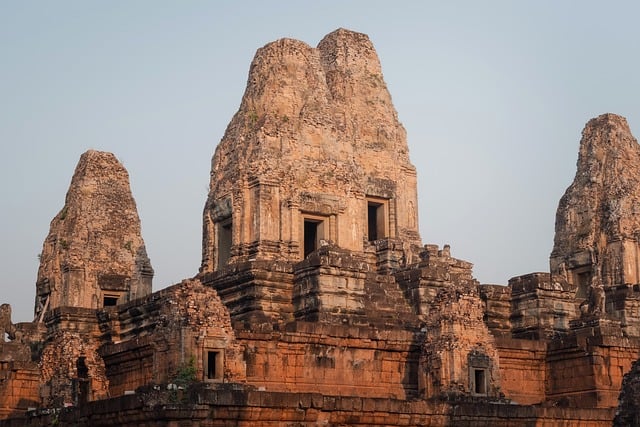
“Waking Beyond Siem Reap’s Temples” invites travelers to explore the rich tapestry of culture, history, and natural beauty that extends beyond the iconic Angkor Wat and its surrounding temples. This journey delves into the vibrant local communities, lush landscapes, and hidden gems that define the region. From the serene countryside and traditional villages to the bustling markets and unique culinary experiences, visitors are encouraged to immerse themselves in the authentic essence of Cambodia. This exploration reveals a deeper understanding of the country’s heritage and the warm hospitality of its people, offering a holistic experience that transcends the ancient stone monuments.
Exploring the Hidden Gems of Siem Reap Beyond the Temples
While Siem Reap is globally renowned for its majestic temples, particularly the iconic Angkor Wat, the region is also home to a myriad of hidden gems that offer a deeper understanding of Cambodian culture and history. One such gem is the Angkor National Museum, which provides an insightful journey into the Khmer civilization. This museum, with its modern architecture and engaging exhibits, showcases artifacts that date back to the Angkorian era. Visitors can explore the intricacies of ancient Khmer art, including sculptures and bas-reliefs, while interactive displays enhance the educational experience. The museum not only serves as a prelude to the temples but also as a testament to the rich heritage that shaped the region.
Venturing further into the heart of Siem Reap, one encounters the vibrant local markets, particularly the Old Market, or Psar Chaa. This bustling marketplace is a sensory delight, filled with the aromas of street food, the vibrant colors of fresh produce, and the sounds of haggling vendors. Here, visitors can immerse themselves in the local culture by sampling traditional Cambodian dishes such as amok, a fragrant curry made with coconut milk and fish, or by purchasing handcrafted souvenirs that reflect the artistry of local artisans. The market not only serves as a shopping destination but also as a social hub where locals gather, making it an essential stop for those wishing to experience the everyday life of Siem Reap.
As one continues to explore beyond the temples, the serene landscapes of the countryside beckon. A visit to the nearby Tonle Sap Lake reveals a different facet of Cambodian life. This vast freshwater lake is home to floating villages, where communities thrive on fishing and agriculture. A boat tour through these villages offers a unique perspective on the resilience and adaptability of the local people. Observing the daily routines of families living in stilted houses, one gains insight into the symbiotic relationship between the inhabitants and their environment. The lake’s ecosystem is not only vital for sustenance but also plays a crucial role in the region’s biodiversity, making it a significant area for ecological tourism.
In addition to natural wonders, Siem Reap boasts a rich artistic scene that is often overlooked. The Phare Circus, a unique blend of traditional circus arts and Cambodian storytelling, captivates audiences with its vibrant performances. This social enterprise not only entertains but also provides training and employment opportunities for local youth. The shows are a celebration of Cambodian culture, weaving together themes of resilience, hope, and community. Attending a performance at Phare Circus is not merely an evening of entertainment; it is an investment in the future of the local community.
For those seeking a tranquil retreat after a day of exploration, the Shinta Mani Angkor Hotel offers a luxurious yet culturally immersive experience. Nestled in the heart of Siem Reap, this hotel is designed with a blend of modern comfort and traditional Khmer aesthetics. Guests can unwind in elegantly appointed rooms that reflect the local heritage while enjoying amenities such as a serene spa and a stunning pool surrounded by lush gardens. The hotel’s commitment to sustainable tourism is evident in its initiatives to support local communities, making it an ideal choice for conscientious travelers. With its prime location, Shinta Mani Angkor serves as a perfect base for discovering the hidden treasures of Siem Reap beyond the temples, ensuring that every visitor leaves with a deeper appreciation for this enchanting region.
Q&A
What is Waking Beyond Siem Reap’s Temples?
Waking Beyond Siem Reap’s Temples is an immersive experience that combines cultural exploration with mindfulness practices. It offers visitors a chance to engage with the spiritual essence of the Angkor temples while promoting personal reflection and growth.
How long does the experience last?
The experience typically lasts for a full day, allowing participants to explore various temples and engage in guided mindfulness activities. This duration provides ample time to appreciate the historical significance and beauty of the sites.
Is prior meditation experience required to participate?
No prior meditation experience is necessary to join Waking Beyond Siem Reap’s Temples. The program is designed to accommodate all levels, from beginners to experienced practitioners.
What should participants bring to the experience?
Participants are encouraged to wear comfortable clothing and bring a water bottle, sunscreen, and a small mat or cushion for meditation. A journal may also be helpful for personal reflections during the experience.
Are meals included in the program?
Meals are typically not included in the program, but participants are often given recommendations for local dining options. Some experiences may offer light snacks or refreshments during breaks.
“Waking Beyond Siem Reap’s Temples” explores the rich cultural and historical tapestry of the region, highlighting the significance of the Angkor temples while also delving into the vibrant local life and natural beauty surrounding them. The narrative emphasizes the importance of understanding the broader context of Siem Reap, including its communities, traditions, and the challenges they face. By moving beyond the iconic temples, the work invites readers to appreciate the interconnectedness of history, culture, and contemporary life in this unique area of Cambodia. Ultimately, it encourages a deeper engagement with the region, fostering a more holistic appreciation of its heritage.
Tinggalkan Balasan