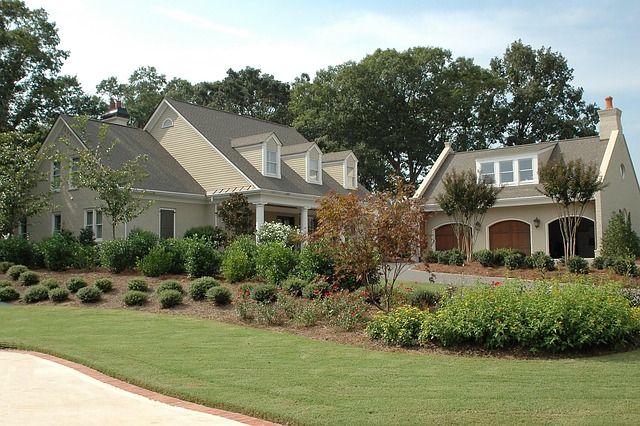
When considering a home purchase, potential buyers often face the dilemma of choosing between old houses and newly built homes. Each option presents unique advantages and challenges that can significantly impact lifestyle, maintenance, and investment value. Old houses often boast character, historical charm, and established neighborhoods, while newly built homes typically offer modern amenities, energy efficiency, and customizable features. Understanding the key differences in construction quality, maintenance requirements, location, and overall costs is essential for making an informed decision. This guide will explore the critical factors to consider when comparing old houses and newly built homes, helping buyers determine which option best aligns with their needs and preferences.
Structural Integrity: Assessing Foundation and Materials
When comparing old houses and newly built homes, one of the most critical aspects to consider is structural integrity, particularly the foundation and materials used in construction. Older homes, often characterized by their unique architectural styles and historical significance, may have foundations that have settled over time. This settling can lead to uneven floors, cracks in walls, and other structural issues that may not be immediately visible. For instance, a Victorian-era home might boast intricate woodwork and original features, but potential buyers should be cautious and conduct thorough inspections to assess the condition of the foundation. A professional evaluation can reveal whether the foundation has been compromised by moisture, soil erosion, or other environmental factors.
In contrast, newly built homes typically benefit from modern construction techniques and materials that adhere to current building codes. These homes often feature reinforced concrete foundations designed to withstand various environmental stresses. For example, a newly constructed home in a suburban development may utilize advanced materials such as steel framing and engineered wood products, which enhance durability and resistance to pests and decay. The use of these materials not only contributes to the longevity of the structure but also provides peace of mind for homeowners who prioritize safety and stability.
Moreover, the choice of materials in older homes can vary significantly, often reflecting the era in which they were built. Many older houses were constructed using local materials, which can add to their charm but may also pose challenges regarding maintenance and repair. For instance, a charming Craftsman bungalow may feature original wood siding that requires regular upkeep to prevent rot and insect damage. In contrast, a newly built home may incorporate low-maintenance materials such as vinyl siding or fiber cement, which offer durability and require less frequent repairs. This difference in material longevity can be a significant factor for potential homeowners who wish to minimize ongoing maintenance costs.
Additionally, the foundation type plays a crucial role in the overall structural integrity of both old and new homes. Many older homes may have basements or crawl spaces that can be prone to moisture issues, leading to mold growth and structural damage if not properly managed. For example, a historic colonial home with a stone foundation may have been built without modern waterproofing techniques, making it susceptible to water infiltration. Conversely, newly built homes often feature slab foundations or modern basement designs that include effective drainage systems, reducing the risk of moisture-related problems. This distinction can significantly impact the long-term viability of the property.
As one delves deeper into the comparison of old and new homes, it becomes evident that the location of the property also influences its structural integrity. For instance, a newly constructed home in a flood-prone area may be built on elevated foundations to mitigate flood risks, while an older home in the same region may not have been designed with such considerations in mind. This geographical context is essential when evaluating the resilience of a property against natural disasters. A prime example is the luxurious Four Seasons Hotel in New Orleans, which has been designed with modern engineering practices to withstand the challenges posed by its location. The hotel’s foundation and materials reflect a commitment to safety and durability, showcasing how contemporary construction can effectively address environmental concerns while providing a high standard of living.
Q&A
What are the main differences in construction quality between old houses and newly built homes?
Old houses often feature solid construction with high-quality materials, while newly built homes may use modern materials that prioritize cost-effectiveness. However, newer homes typically adhere to current building codes and energy efficiency standards.
How do maintenance costs compare between old houses and newly built homes?
Old houses may require more frequent repairs and updates due to aging systems and materials, leading to higher maintenance costs. In contrast, newly built homes usually come with warranties and require less immediate maintenance.
What are the advantages of the layout and design in newly built homes compared to old houses?
Newly built homes often feature open floor plans and modern amenities that cater to contemporary lifestyles. Old houses may have more traditional layouts, which can feel less functional for today’s needs.
How does the location impact the value of old houses versus newly built homes?
Old houses are often located in established neighborhoods with mature landscaping and community amenities, which can enhance their value. Newly built homes may be situated in developing areas, which can affect their long-term appreciation potential.
What should buyers consider regarding energy efficiency in old houses versus newly built homes?
Newly built homes typically incorporate energy-efficient technologies and materials, leading to lower utility bills. Old houses may require upgrades to insulation, windows, and systems to achieve similar efficiency levels.
When comparing old houses and newly built homes, consider factors such as architectural style, construction quality, and maintenance needs. Old houses often offer unique character and historical charm but may require more repairs and updates. In contrast, newly built homes typically feature modern amenities and energy efficiency but may lack the distinctive features of older properties. Ultimately, the choice depends on personal preferences, budget, and lifestyle needs.
Tinggalkan Balasan