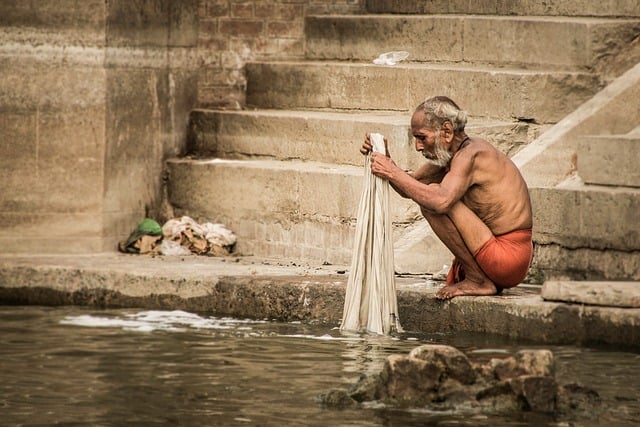
Staying Inside Sagada’s Local Life offers a unique glimpse into the rich cultural tapestry and serene lifestyle of this enchanting mountain town in the Philippines. Nestled in the Cordillera region, Sagada is renowned for its breathtaking landscapes, cool climate, and vibrant traditions. Visitors can immerse themselves in the daily routines of the locals, from traditional farming practices to the art of weaving and the preparation of local delicacies. Engaging with the community provides an opportunity to appreciate the harmonious relationship between the people and their environment, as well as the preservation of age-old customs. This experience not only enriches one’s understanding of Sagada’s heritage but also fosters a deeper connection with its warm and welcoming inhabitants.
Exploring Sagada’s Traditional Weaving Practices
Nestled in the mountainous region of the Philippines, Sagada is renowned not only for its breathtaking landscapes but also for its rich cultural heritage, particularly its traditional weaving practices. The art of weaving in Sagada is deeply intertwined with the local identity, reflecting the community’s history, values, and connection to the land. Visitors to this enchanting town often find themselves captivated by the intricate designs and vibrant colors that characterize the woven textiles, which serve as both functional items and artistic expressions.
One of the most notable places to experience Sagada’s weaving traditions is the Sagada Weaving, a cooperative that has been instrumental in preserving and promoting local craftsmanship. Established in the 1970s, this cooperative provides a platform for local weavers to showcase their skills and sell their products. As you step into the workshop, the rhythmic sound of looms in operation fills the air, creating a harmonious backdrop to the vibrant colors of the threads. Here, artisans skillfully manipulate the loom, transforming simple strands of cotton into beautiful fabrics adorned with traditional patterns. Each piece tells a story, often inspired by the natural surroundings or cultural symbols, making them not just items of clothing but also narratives of the Sagada way of life.
In addition to the cooperative, visitors can explore the various weaving workshops scattered throughout the town. These workshops often welcome tourists, offering hands-on experiences that allow them to try their hand at weaving. Engaging with local artisans provides a unique opportunity to learn about the techniques passed down through generations. The weavers are often eager to share their knowledge, explaining the significance of specific patterns and colors, which can vary depending on the occasion or the intended use of the fabric. This interaction fosters a deeper appreciation for the craft and highlights the importance of preserving these traditional practices in an ever-evolving world.
Moreover, the weaving practices in Sagada are not limited to textiles alone; they extend to the creation of intricate accessories and home decor items. Many local artisans incorporate natural materials, such as bamboo and rattan, into their designs, showcasing the versatility of traditional craftsmanship. These items often reflect the local environment, with designs inspired by the lush landscapes and rich biodiversity of the region. As visitors explore the markets, they will find an array of products, from handwoven bags to decorative wall hangings, each piece a testament to the creativity and resourcefulness of the Sagada community.
As one delves deeper into the weaving culture, it becomes evident that these practices are not merely economic activities but also vital components of social cohesion. Weaving circles often serve as gathering spaces for women in the community, fostering relationships and providing a platform for sharing stories and experiences. This communal aspect of weaving reinforces the bonds among residents, ensuring that the knowledge and skills are passed down to future generations. Thus, the act of weaving transcends its utilitarian purpose, becoming a means of cultural preservation and community building.
For those seeking a more immersive experience, staying at the St. Joseph’s Resthouse offers a unique opportunity to engage with Sagada’s local life. This charming accommodation is not only conveniently located near the town center but also provides guests with insights into the local culture. The owners often organize workshops and cultural nights, where visitors can learn about traditional weaving and other local crafts. By participating in these activities, guests can forge connections with the community, gaining a deeper understanding of the significance of weaving in Sagada’s rich tapestry of life.
Q&A
What are the best local dishes to try in Sagada?
Some must-try local dishes in Sagada include pinikpikan, a traditional chicken dish, and the famous Sagada rice wine. Visitors should also sample the various vegetable dishes made from fresh, locally sourced ingredients.
How can I engage with the local community in Sagada?
Engaging with the local community can be done by participating in cultural tours, attending local festivals, or visiting community markets. Volunteering for local projects is also a great way to connect with residents.
What are the traditional crafts of Sagada?
Sagada is known for its weaving and woodcraft, with locals creating beautiful textiles and intricate carvings. Visitors can find these crafts in local shops and markets, often made by skilled artisans.
Are there any cultural practices unique to Sagada?
Yes, Sagada has unique cultural practices such as the traditional burial rites involving hanging coffins. This practice reflects the community’s beliefs about honoring the dead and their connection to nature.
What is the best way to experience local festivals in Sagada?
The best way to experience local festivals is to visit during major events like the Etag Festival, which celebrates the local culture and traditions. Participating in the festivities and engaging with locals will provide a deeper understanding of Sagada’s heritage.
Staying inside Sagada offers a unique opportunity to immerse oneself in the local culture and lifestyle of this picturesque mountain town. Visitors can engage with the community through traditional practices, local cuisine, and vibrant festivals, fostering a deeper understanding of the Igorot heritage. The serene environment, combined with the warmth of the locals, creates a memorable experience that highlights the importance of preserving cultural identity. Overall, staying in Sagada allows for a meaningful connection to both nature and the rich traditions of its inhabitants.
Tinggalkan Balasan