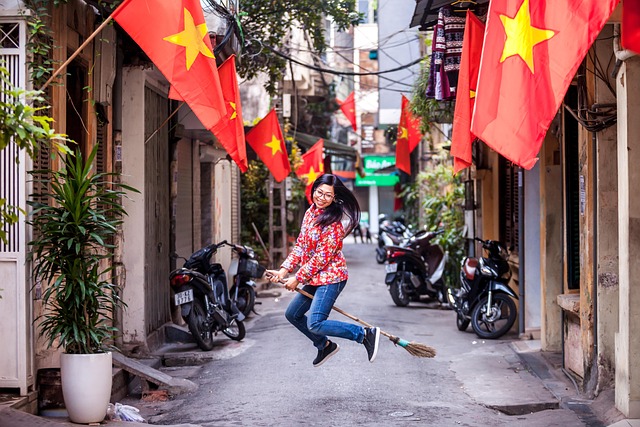
Hanoi’s Old Quarter, a vibrant tapestry of history and culture, serves as the heart of Vietnam’s capital. With its narrow streets, colonial architecture, and bustling markets, this area offers a unique glimpse into the city’s rich heritage. Visitors can explore a maze of shops, street food stalls, and traditional crafts, all while soaking in the lively atmosphere. The Old Quarter is not only a hub for tourists but also a living testament to Hanoi’s evolution, blending the old with the new. Checking into this iconic district promises an unforgettable experience filled with sights, sounds, and flavors that define the essence of Hanoi.
Exploring The History Of Hanoi’s Old Quarter
Hanoi’s Old Quarter, a vibrant tapestry of history and culture, serves as a living museum that reflects the city’s rich past. As one wanders through its narrow streets, the architecture tells stories of centuries gone by, showcasing a blend of French colonial influences and traditional Vietnamese design. The area is characterized by its ancient buildings, many of which date back to the 13th century, when it was established as a commercial hub. The streets are named after the goods that were once traded there, such as Hang Bac (Silver Street) and Hang Gai (Silk Street), providing a glimpse into the economic activities that shaped the neighborhood.
In addition to its architectural significance, the Old Quarter is home to numerous temples and pagodas that highlight the spiritual life of the city. The Bach Ma Temple, one of the oldest in Hanoi, is dedicated to the city’s guardian spirit and is a testament to the deep-rooted beliefs of the local population. Visitors can observe the intricate carvings and vibrant altars that adorn the temple, offering a serene escape from the bustling streets outside. This juxtaposition of sacred spaces amidst the commercial activity underscores the harmonious coexistence of spirituality and daily life in Hanoi.
As one delves deeper into the Old Quarter, the influence of French colonialism becomes increasingly apparent. The grand boulevards and elegant villas, such as the iconic Sofitel Legend Metropole Hanoi, showcase the architectural style that emerged during the late 19th and early 20th centuries. This luxurious hotel, with its colonial charm and modern amenities, has hosted numerous dignitaries and celebrities over the years, making it a symbol of Hanoi’s historical significance. The hotel’s rich history is palpable in its beautifully preserved interiors, where guests can enjoy a taste of the past while indulging in contemporary comforts.
Moreover, the Old Quarter is renowned for its vibrant street food scene, which offers a culinary journey through the flavors of Vietnam. Stalls line the streets, serving dishes such as pho and banh mi, each with its own unique twist. The bustling atmosphere is enhanced by the sounds of sizzling woks and the enticing aromas wafting through the air. This gastronomic experience not only satisfies the palate but also provides insight into the daily lives of the locals, who gather around these stalls for their meals. The food culture here is a reflection of the community’s resilience and adaptability, showcasing how traditional recipes have evolved over time.
In addition to food, the Old Quarter is a hub for artisans and craftsmen who continue to practice age-old trades. Shops selling lacquerware, silk products, and handmade pottery line the streets, offering visitors a chance to witness the artistry that has been passed down through generations. The artisans often welcome onlookers, providing demonstrations of their craft and sharing stories about their techniques. This interaction fosters a deeper appreciation for the cultural heritage of Hanoi, as each piece tells a story of dedication and skill.
Finally, one cannot overlook the significance of Hoan Kiem Lake, which lies at the heart of the Old Quarter. This picturesque body of water is not only a popular gathering spot for locals but also a site steeped in legend. The Ngoc Son Temple, situated on an island in the lake, is dedicated to the hero who reclaimed Vietnam’s independence from foreign invaders. The serene environment surrounding the lake offers a tranquil respite from the hustle and bustle of the city, inviting visitors to reflect on the historical narratives that have shaped Hanoi. The juxtaposition of the lake’s calm waters with the lively streets of the Old Quarter encapsulates the essence of Hanoi itself—a city where history and modernity coexist in a delicate balance.
Q&A
What is the best way to get to Hanoi’s Old Quarter?
The best way to reach Hanoi’s Old Quarter is by taxi or ride-hailing services like Grab, which are widely available. Alternatively, you can use public transportation, such as buses, but they may be less convenient for first-time visitors.
Are there any hotels in Hanoi’s Old Quarter?
Yes, Hanoi’s Old Quarter offers a wide range of accommodations, from budget hostels to luxury hotels. Many options are located within walking distance of major attractions, making it a convenient place to stay.
What are the must-see attractions in Hanoi’s Old Quarter?
Key attractions include Hoan Kiem Lake, the Ngoc Son Temple, and the bustling streets filled with shops and street food vendors. The area is also known for its colonial architecture and vibrant nightlife.
Is it safe to walk around Hanoi’s Old Quarter at night?
Yes, Hanoi’s Old Quarter is generally safe for tourists at night, with many people out and about. However, it’s advisable to stay aware of your surroundings and avoid poorly lit areas.
What local dishes should I try in Hanoi’s Old Quarter?
Be sure to try Pho (Vietnamese noodle soup), Bun Cha (grilled pork with noodles), and various street food snacks like Banh Mi (Vietnamese sandwich). The Old Quarter is famous for its diverse culinary offerings, so exploring local eateries is a must.
Checking into Hanoi’s Old Quarter offers a vibrant experience filled with rich history, bustling markets, and unique street food. The area is characterized by its narrow streets, colonial architecture, and a lively atmosphere that captures the essence of Vietnamese culture. Visitors can explore local shops, enjoy traditional cuisine, and immerse themselves in the dynamic energy of the city. Overall, the Old Quarter serves as a perfect starting point for discovering the charm and heritage of Hanoi.
Tinggalkan Balasan