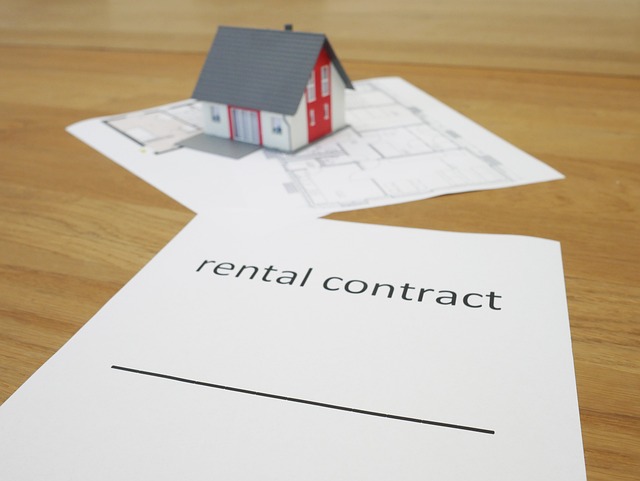
The Mortgage Education Guide for Safer Home Buying Decisions is a comprehensive resource designed to empower potential homebuyers with the knowledge and tools necessary to navigate the complex world of mortgages. This guide aims to demystify the mortgage process, providing clear explanations of key concepts, terminology, and financial implications. By equipping buyers with essential information about loan types, interest rates, credit scores, and budgeting, the guide fosters informed decision-making and promotes financial literacy. Ultimately, it seeks to enhance the home buying experience, ensuring that individuals can make safer, more confident choices when investing in their future.
Understanding Mortgage Types: Fixed vs. Adjustable Rates
When embarking on the journey of home buying, understanding the various mortgage types is crucial for making informed decisions. Among the most common options available to prospective homeowners are fixed-rate and adjustable-rate mortgages. A fixed-rate mortgage offers stability and predictability, as the interest rate remains constant throughout the life of the loan. This means that monthly payments will not fluctuate, allowing homeowners to budget effectively over the long term. For instance, if a buyer secures a fixed-rate mortgage at 3.5% for 30 years, they can rest assured that their interest rate will not change, regardless of market conditions. This predictability can be particularly appealing in times of economic uncertainty, where fluctuating interest rates may cause anxiety for borrowers.
Conversely, adjustable-rate mortgages (ARMs) present a different set of advantages and risks. Initially, ARMs often come with lower interest rates compared to fixed-rate mortgages, making them an attractive option for buyers who may not plan to stay in their homes for an extended period. For example, a 5/1 ARM offers a fixed rate for the first five years, after which the rate adjusts annually based on market conditions. This can lead to significant savings in the early years of the mortgage, especially for those who anticipate moving or refinancing before the adjustment period begins. However, it is essential for potential buyers to consider the implications of future rate adjustments, as these can lead to increased monthly payments and financial strain if not properly managed.
In addition to understanding the basic differences between fixed and adjustable rates, it is also important to consider the broader economic context in which these mortgages operate. For instance, during periods of low interest rates, fixed-rate mortgages may be particularly appealing, as locking in a low rate can provide long-term savings. On the other hand, in a rising interest rate environment, ARMs may initially seem advantageous due to their lower starting rates. However, as rates increase, borrowers may find themselves facing higher payments, which can strain their budgets. Therefore, prospective homeowners must carefully evaluate their financial situations and long-term plans before committing to a specific mortgage type.
Moreover, the choice between fixed and adjustable rates can also be influenced by personal preferences and risk tolerance. Some individuals may prioritize the peace of mind that comes with a fixed-rate mortgage, while others may be more comfortable with the potential fluctuations associated with an ARM. This decision-making process can be further complicated by the myriad of mortgage products available, each with its own unique features and terms. For example, some lenders offer hybrid ARMs that combine elements of both fixed and adjustable rates, providing a middle ground for those who seek flexibility without entirely sacrificing stability.
As buyers navigate these options, it is essential to seek guidance from knowledgeable professionals who can provide insights tailored to individual circumstances. For instance, the Fairmont Hotel in San Francisco offers a unique blend of luxury and comfort, making it an ideal location for homebuyers attending mortgage education seminars. With its elegant accommodations and proximity to financial institutions, the Fairmont serves as a hub for those looking to deepen their understanding of mortgage types and make informed decisions. By immersing themselves in educational resources and engaging with experts, prospective homeowners can gain the confidence needed to choose the right mortgage type for their unique situations.
Q&A
What is a Mortgage Education Guide?
A Mortgage Education Guide is a resource designed to help potential homebuyers understand the mortgage process, including types of loans, interest rates, and the importance of credit scores. It aims to empower buyers with knowledge to make informed decisions when purchasing a home.
Why is mortgage education important for homebuyers?
Mortgage education is crucial as it helps homebuyers navigate the complexities of financing a home. Understanding the terms and conditions of mortgages can prevent costly mistakes and lead to better financial outcomes.
What topics are typically covered in a Mortgage Education Guide?
Common topics include loan types, the application process, interest rates, down payments, closing costs, and tips for improving credit scores. The guide may also address common pitfalls and how to avoid them during the home buying process.
How can I access a Mortgage Education Guide?
Mortgage Education Guides are often available through banks, credit unions, and housing counseling agencies. Many organizations also provide online resources and workshops to help educate potential homebuyers.
Can mortgage education help me save money?
Yes, by understanding mortgage options and terms, homebuyers can make better choices that may lead to lower interest rates and fees. This knowledge can ultimately result in significant savings over the life of the loan.
The Mortgage Education Guide serves as a vital resource for prospective homebuyers, equipping them with essential knowledge about the mortgage process, types of loans, and financial responsibilities. By understanding key concepts such as interest rates, down payments, and credit scores, buyers can make informed decisions that align with their financial situations. This education ultimately promotes safer home buying practices, reducing the risk of financial strain and enhancing overall satisfaction with the home purchasing experience. Empowered with this knowledge, buyers are better positioned to navigate the complexities of the housing market confidently.
Tinggalkan Balasan