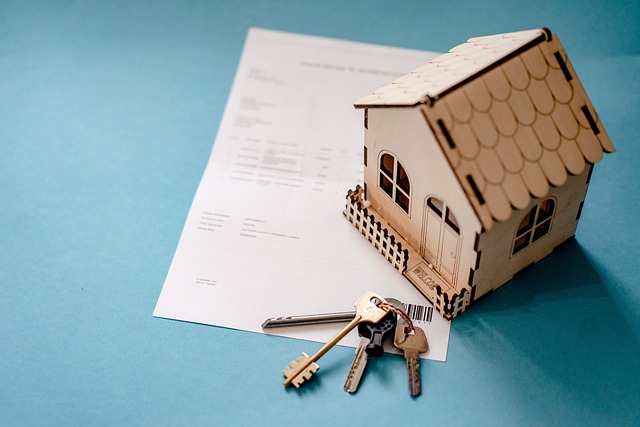
Transitioning from renting to homeownership is a significant milestone that requires careful consideration and planning. Before making this leap, it’s essential to understand the financial implications, including budgeting for a down payment, closing costs, and ongoing maintenance expenses. Additionally, prospective homeowners should familiarize themselves with the responsibilities that come with owning a property, such as property taxes, insurance, and repairs. Evaluating the housing market, understanding mortgage options, and assessing personal readiness for this commitment are also crucial steps. By gathering the right information and preparing adequately, individuals can make informed decisions that align with their long-term goals and lifestyle.
Financial Readiness
Transitioning from renting to homeownership is a significant step that requires careful financial consideration. One of the first aspects to evaluate is your credit score, as it plays a crucial role in determining your mortgage eligibility and the interest rates you may receive. A higher credit score can lead to more favorable loan terms, which can save you thousands over the life of the mortgage. Therefore, it is advisable to obtain a copy of your credit report and review it for any discrepancies or areas for improvement. Addressing any issues, such as paying down existing debts or ensuring timely bill payments, can enhance your creditworthiness and position you favorably in the eyes of lenders.
In addition to your credit score, it is essential to assess your savings. Homeownership typically requires a substantial down payment, often ranging from 3% to 20% of the home’s purchase price. For instance, if you are considering a home priced at $300,000, a 20% down payment would amount to $60,000. This figure can seem daunting, but it is important to remember that various programs exist to assist first-time homebuyers, including those that offer down payment assistance or lower down payment options. Therefore, exploring these avenues can provide a more manageable path to homeownership.
Moreover, potential homeowners should also factor in additional costs associated with buying a home. Beyond the down payment, there are closing costs, which can include fees for appraisals, inspections, and title insurance. These costs can add up to several thousand dollars, so it is prudent to budget for them in advance. Additionally, once you become a homeowner, ongoing expenses such as property taxes, homeowners insurance, and maintenance costs must be considered. For example, if you purchase a home in a neighborhood with high property taxes, this could significantly impact your monthly budget. Therefore, conducting thorough research on the area and its associated costs is vital.
Furthermore, it is beneficial to establish a realistic budget that reflects your new financial responsibilities. This budget should account for your mortgage payment, utilities, and any other recurring expenses. It is also wise to set aside funds for unexpected repairs or emergencies, as homeownership often comes with unforeseen challenges. For instance, if your roof requires immediate repair or your HVAC system fails, having a financial cushion can alleviate stress and ensure that you can address these issues promptly.
As you navigate the transition from renting to owning, it is also important to consider the type of mortgage that best suits your financial situation. Fixed-rate mortgages provide stability with consistent monthly payments, while adjustable-rate mortgages may offer lower initial rates but can fluctuate over time. Understanding the implications of each option can help you make an informed decision that aligns with your long-term financial goals.
Finally, when contemplating your move into homeownership, consider the location and the amenities that come with it. For instance, if you are drawn to the vibrant atmosphere of downtown Austin, Texas, you might explore properties near the iconic South Congress Avenue. This area not only offers a rich cultural scene but also provides access to various dining and entertainment options. Additionally, the proximity to parks and recreational areas can enhance your quality of life. As you weigh your options, remember that the right location can significantly impact your overall satisfaction with your new home.
Q&A
What are the financial implications of buying a home compared to renting?
Buying a home typically involves higher upfront costs, such as a down payment and closing fees, but can lead to long-term equity building. In contrast, renting usually requires lower initial costs but does not contribute to asset ownership.
How do I determine what I can afford when buying a home?
To determine affordability, consider your income, existing debts, and monthly expenses. A common guideline is that your housing costs should not exceed 28-30% of your gross monthly income.
What additional costs should I expect as a homeowner?
Homeownership comes with additional costs such as property taxes, homeowners insurance, maintenance, and repairs. It’s important to budget for these ongoing expenses to avoid financial strain.
How does the home buying process differ from renting?
The home buying process involves securing financing, making an offer, and going through inspections and appraisals, which can take several weeks or months. Renting typically requires a lease agreement and a security deposit, with a much quicker turnaround.
What should I consider about the location before buying a home?
Consider factors such as proximity to work, schools, amenities, and overall neighborhood safety. Researching the area’s future development plans and property value trends can also provide insight into long-term investment potential.
Before moving from renting to homeownership, it’s essential to understand the financial implications, including the costs of a down payment, closing costs, and ongoing maintenance expenses. Assess your credit score and secure pre-approval for a mortgage to determine your budget. Additionally, consider the long-term commitment of homeownership, including the responsibilities of property upkeep and the potential for market fluctuations. Thorough research and planning can help ensure a smooth transition and a successful investment in your future.
Tinggalkan Balasan